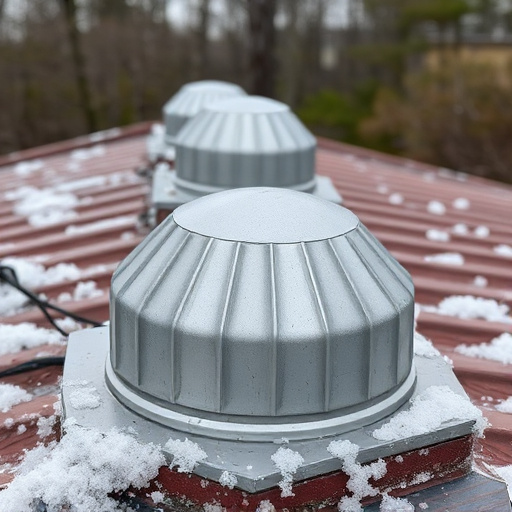
Storms in Oro Valley can leave a trail of damage, with hidden storm damage often going unnoticed until it's too late. Flashing, parapets, and underlayment are critical components of your roof that protect against water intrusion and structural damage. Yet, these elements are particularly vulnerable to wind-driven rain, hail, microbursts, and flying debris, leading to leaks, interior damage, and even roof collapses.
Identifying and addressing storm damage early is crucial to prevent costly repairs and ensure your home's safety. This guide provides a damage checklist, outlines the first steps after a storm, and explains how to recognize hidden storm damage, offering valuable insights from local roof experts like DC Roofing of Arizona who specialize in emergency repairs and storm restoration.
- Recognizing Hidden Storm Damage Naturally
- Assessing Flashing, Parapet, Underlayment Integrity
- Common Storm-Induced Flashing and Underlayment Issues
- Restoring and Protecting Against Future Storm Damage
Recognizing Hidden Storm Damage Naturally

Storm damage can often leave behind hidden dangers, and recognizing these subtler issues is crucial for ensuring a safe and secure home. Many Oro Valley residents are familiar with the visible signs of a storm passing-broken tiles, lifted shingles, and the like. However, the subtle damage done to flashing, parapets, and underlayment can be just as problematic, especially during the monsoon season. These hidden storm damages can lead to interior leaks, mold growth, and even more severe structural issues if left unattended.
The National Weather Service Tucson highlights the unique challenges posed by monsoon weather, including intense rainfall and strong winds. It's during these conditions that flashing, a crucial barrier between your roof and the elements, can become compromised. Flashing is often installed in valleys and around chimneys, and when it's damaged or poorly secured, water can seep in, causing significant interior damage. Similarly, parapets, which line the edges of your roof, can be vulnerable to strong winds and falling debris, leading to hidden cracks and gaps that allow water and air to penetrate.
Underlayment, the protective layer beneath your roof shingles, is another area where storm damage can go unnoticed. Heavy rainfall and strong winds can cause the underlayment to become damaged or torn, creating paths for water to enter your attic and cause structural issues. A roofing contractor serving Oro Valley and Marana emphasizes the importance of a thorough post-storm inspection. They recommend that homeowners look for signs of hidden damage, such as discolored or moldy spots in the attic, unexpected interior leaks, or unusual noises coming from the roof. By addressing these issues promptly, residents can mitigate the risk of more severe and costly storm damage.
Assessing Flashing, Parapet, Underlayment Integrity
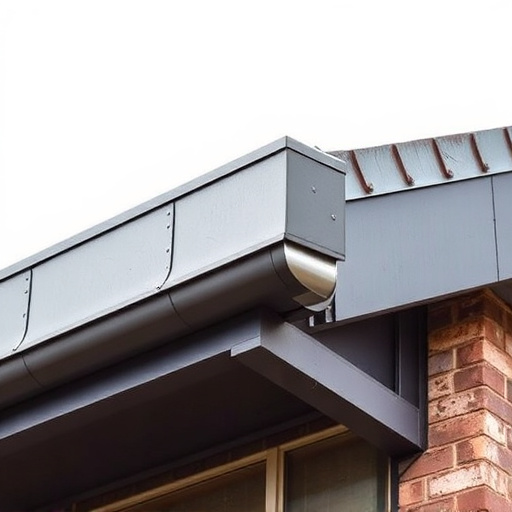
When navigating the aftermath of a storm, many homeowners in Oro Valley focus on the visible damage to their roofs. However, hidden storm damage can extend beyond what meets the eye, particularly for flashing, parapets, and underlayment. These components, often overlooked, play a critical role in protecting your home from the elements. Let's examine assessing their integrity during and after the monsoon season.
Flashings, parapets, and underlayment form the defensive barrier against water intrusion, wind-driven rain, and hail. Flashings, for instance, are designed to seal joints and protect areas vulnerable to water leakage. A professional roofing expert, like those at DC Roofing of Arizona, will inspect for lifted or missing flashings, common issues during heavy storms. Parapets, those vertical barriers along the roof's edge, are crucial for diverting water and preventing debris from accumulating on your roof. Damage to parapets can lead to interior leaks after heavy rain, a problem that might not be immediately apparent.
Underlayment, a protective layer beneath the shingles, is often the first line of defense against flying debris and wind exposure, especially near areas like Pusch Ridge where wind conditions can be severe. Hidden storm damage may manifest as torn or damaged underlayment, leaving your roof vulnerable. A thorough assessment should include checking for any signs of uplift or damage, as well as ensuring proper fastening. Remember, the monsoon season brings increased wind exposure, making these inspections even more critical.
When filing a storm damage insurance claim, document all visible and hidden damage thoroughly. Take photographs of the flashing, parapets, and underlayment, noting any lifted shingles or broken tiles nearby. These details are invaluable when communicating with your insurance adjuster, who will ultimately determine your deductible and the scope of repairs covered under your policy. A public adjuster can provide expert guidance on navigating claims, ensuring you receive the appropriate compensation for all damages, including hidden storm damage that might not be immediately visible.
Common Storm-Induced Flashing and Underlayment Issues
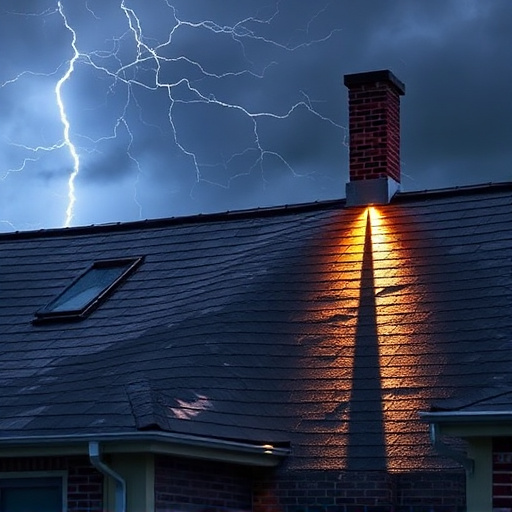
Storms, whether monsoons, haboobs, or severe microbursts, can wreak havoc on a home's exterior, especially its roofing system. When strong winds, hail, and heavy rain strike Oro Valley, hidden storm damage can go unnoticed for days, weeks, or even months. This section examines the specific common issues related to flashing and underlayment, two crucial components often overlooked during a typical roof inspection.
Flashings, designed to seal joints and protect the roof from water intrusion, can be particularly vulnerable during severe weather events. In Oro Valley, where wind exposure near Pusch Ridge can be intense, lifted shingles and broken tiles often expose the flashing to the elements. This not only weakens the overall roof integrity but can also lead to interior leaks, especially after heavy rainfall. A recent storm left many homes with storm damaged roof vents and skylights, indicating the need for thorough post-storm inspections. An experienced Oro Valley roof specialist will check for signs of lifted or damaged flashings, ensuring they are properly secured and sealed.
Underlayment, a layer of protective material beneath the shingles, is another area prone to hidden storm damage. Hail, in particular, can leave holes or tears in the underlayment, which may not be immediately apparent. As winds sweep through the damaged area, the underlayment can shift or lift, creating areas of weakness that can allow water to penetrate. During a hail damage roof inspection Oro Valley residents should look for lifted or curled underlayment, as well as any exposed or damaged nails. These issues can be hard to spot from the ground, emphasizing the importance of a professional assessment. Remember, a deductible is a significant part of the storm damage recovery process, making timely identification and repair of these hidden issues crucial.
Beyond the initial storm, secondary storms can further complicate matters. Waiting too long to address storm damaged flashing and underlayment can lead to more extensive and costly repairs. A second storm before repairs can cause additional hail size and roof damage, or flash flood runoff and roofs. To avoid these pitfalls, homeowners should not only document any visible storm damage but also trust a licensed and insured pro, like those offered by Oro Valley Storm Restoration, for a thorough assessment.
Restoring and Protecting Against Future Storm Damage
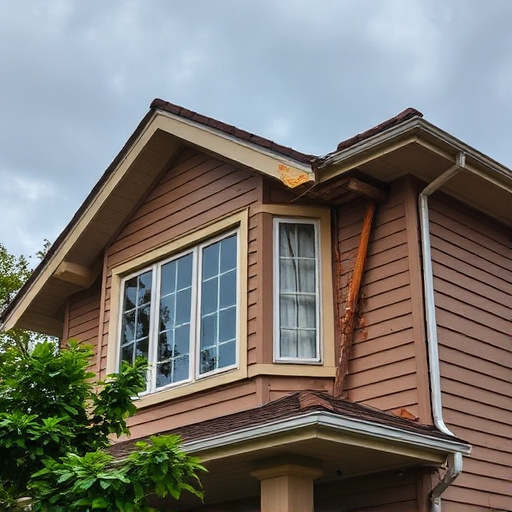
When storms hit Oro Valley, hidden storm damage can be a significant concern. Beyond the visible impacts like lifted shingles and broken tiles, the real threat often lies beneath the surface. Flashing, parapets, and underlayment - these components, crucial for a roof's integrity, can be severely affected by wind-driven rain, hail, and debris. A local roofing company serving Oro Valley with an Arizona ROC license knows that identifying and addressing these hidden damages promptly is key to preventing further, costlier repairs.
Hidden storm damage often goes unnoticed until it leads to interior leaks or even more severe issues. A thorough hail damage roof inspection Oro Valley can reveal missing or damaged flashing that prevents water from draining properly. This water can then seep into the underlayment and sheathing, leading to mold, rot, and structural weakening if not caught in time. Similarly, strong winds can cause storm damaged roof vents to become dislodged or damaged, compounding the problem.
Photographic documentation is an essential step in the storm damage restoration process. After a storm, capturing detailed images of the roof and surrounding area allows for a comprehensive assessment. This evidence is crucial for processing a storm damage insurance claim, ensuring that every damage, from storm damaged gutters to potential lightning roof damage, is accounted for. A licensed and insured professional from a reputable Oro Valley storm restoration service can help you navigate this process, providing peace of mind and ensuring your home is protected.
Restoring and reinforcing these hidden components is a meticulous task. Securing loose tiles before the onset of monsoon season can prevent them from becoming projectiles during the next storm. Repairs may include replacing missing or damaged flashing with new, high-quality materials, reinforcing the underlayment, and ensuring all repairs meet or exceed local building codes. The goal is to fortify your home against future storms, preventing hidden damage from becoming a costly surprise.
Frequently Asked Questions About an Explainer on Storm Damage to Flashing, Parapets, and Underlayment
What is storm damage to roofing components? Storm damage can significantly impact roofing systems, particularly flashing, parapets, and underlayment. Flashing, which seals joints and openings, may be torn or lifted, allowing water intrusion. Parapets, the vertical barriers at the edge of a roof, can be damaged or dislodged, leading to potential safety hazards. Underlayment, the protective layer beneath the roofing material, may be torn or water-soaked, compromising the roof's integrity. DC Roofing of Arizona, a licensed Oro Valley area roofing contractor, emphasizes the importance of prompt inspection and repair to prevent further damage and ensure a safe, secure home.
How do I know if my flashing has been damaged? Visually inspect your roof for signs of damage, such as torn or curled flashing. Look for gaps or openings where water could enter. If you notice stains, mold, or water seeping into your home, these are strong indicators of flashing damage. A local roofing company serving Oro Valley and Marana can provide expert assessment and repair services to restore your roof's water-tightness.
Can severe storms cause parapet damage? Absolutely. Strong winds, falling debris, and hail can all contribute to parapet damage. Look for loose or missing sections, especially around roof edges and corners. Severe storms can dislodge parapets, creating trip hazards and potential structural risks. A licensed Arizona roofer with an ROC license should be contacted to evaluate and secure any damaged parapets promptly.
What should I do if my underlayment is damaged by storms? If your underlayment is torn or water-damaged, it's crucial to act quickly. Remove any damaged sections and inspect the remaining underlayment for moisture. Consider replacing the entire layer if it's extensively damaged. An experienced Oro Valley roof specialist can provide expert advice and install new underlayment to protect your roof and home.
How long does it take to repair storm damage to these components? Most storm damage repairs, including flashing, parapet, and underlayment replacement, typically take one to two days, depending on the extent of the damage and the size of the property. A roofing contractor serving Oro Valley and Marana will prioritize safety and efficient work to minimize disruption to your daily life.
What signs should I look for to prevent storm damage in the first place? Regular maintenance and inspection are key. Look for loose or damaged flashing, signs of water intrusion, and any wear or tear on parapets. Keep an eye out for weakened or damaged underlayment. By addressing these issues early, you can prevent more severe storm damage and extend the lifespan of your roof.
Storm damage can leave subtle yet significant traces on your roof, often revealing hidden storm damage naturally through careful inspection. By understanding the common vulnerabilities of flashing, parapets, and underlayment, homeowners can take proactive steps to protect their properties. Recognizing issues like lifted shingles, broken tiles, and storm-induced leaks in tile roofs is crucial. Early detection allows for swift action, preventing further interior leaks after heavy rains and flash floods.
The article highlights the importance of assessing the integrity of these critical components, especially in areas with high wind exposure, like Oro Valley near Pusch Ridge. Regular maintenance and securing loose tiles before monsoon seasons can significantly enhance a roof's resilience. Being aware of the various types of storm damage, from microbursts to lightning strikes, enables homeowners to navigate the claims process and secure financial protection through accurate insurance adjustments.
The key to weathering storms lies in proactive measures and informed decision-making. By learning to identify and address hidden storm damage naturally, homeowners can ensure their roofs remain a shield against the elements, providing peace of mind and protecting their investments.
Storm Damage Beyond the Obvious: Protecting Your Oro Valley Home
While Oro Valley residents often spot broken tiles and lifted shingles after storms, hidden dangers lurk beneath. Flashing, parapets, and underlayment are crucial for roof protection, but they can be damaged or compromised. This can lead to interior leaks, mold, and structural issues. During monsoon and severe weather events, a thorough post-storm inspection is vital. Look for signs of hidden damage, such as discolored spots, unexpected leaks, or unusual noises. Addressing these issues promptly mitigates risk and prevents costlier repairs. Documenting storm damage, including hidden aspects, is crucial for insurance claims. A licensed roofing contractor can provide expert assessment and repair, ensuring your home is protected from both visible and hidden storm damage.