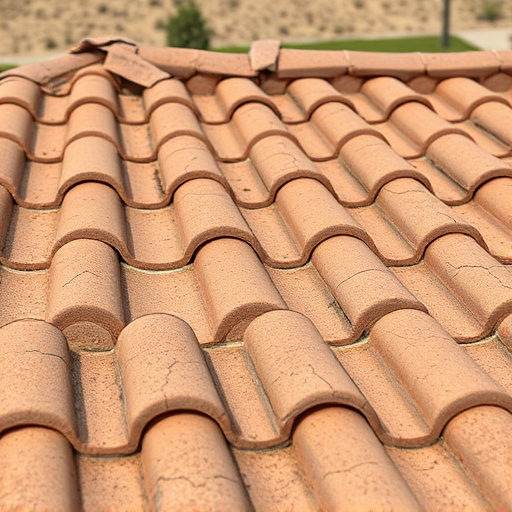
In the aftermath of a storm, immediate action is crucial to protect your home and secure a successful insurance claim. Documenting storm damage accurately before repairs begin is an often-overlooked step that can save you time, money, and headaches. Many homeowners fall victim to unscrupulous "storm chaser" roofers, who capitalize on desperation and may offer subpar work. This guide equips you with the knowledge to effectively assess and document damage, ensuring a thorough and accurate record for your insurance claim. By following these steps, you'll be better equipped to navigate the claims process, avoid unnecessary repairs, and select reputable professionals, like those at DC Roofing of Arizona, to restore your Oro Valley home.
- Assessing Storm Damage: What to Look For
- Documenting the Scene: Photos and Notes
- Preventing Storm Chasers: Hiring Legit Contractors
- Comparing Estimates: Ensuring Quality Repairs
Assessing Storm Damage: What to Look For
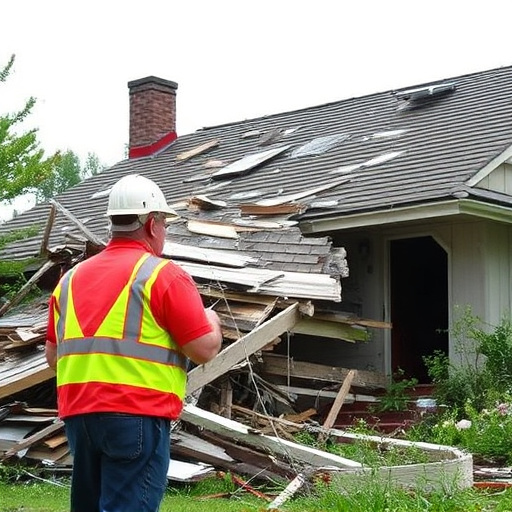
When assessing storm damage, particularly after a severe monsoon, a licensed Arizona roofer recommends a thorough and systematic approach. Start by documenting the extent of the damage, focusing on key areas that often signal more serious issues. Look for signs of microburst activity-small, localized, powerful gusts that can lift shingles and cause extensive damage-as these can indicate hidden dangers like interior leaks or storm-damaged underlayment.
Next, inspect your roof for lifted or missing shingles, broken tiles, and flashing issues. These are visible indicators of wind-driven rain leaks, which can lead to significant interior damage. Don't forget to check the condition of your gutters and roof vents; both are vulnerable to flying debris and storm damage. Also, examine the parapets and any skylights or solar panels for signs of storm-related damage. The National Weather Service Tucson provides valuable resources for understanding local weather patterns and their impact on your property.
While it's tempting to rush into repairs, avoid the temptation to engage storm chasers. These contractors often lack the expertise and may overlook hidden damage, leading to costly second repairs. Instead, take photos of the damage and keep detailed records. This documentation will be crucial when filing a storm damage insurance claim with your HOA or when working with a public adjuster. Noting the hail size and its impact on different roof types can significantly strengthen your claim.
Documenting the Scene: Photos and Notes

Documenting the extent of storm damage is crucial before any repairs begin. It not only provides a detailed record for insurance claims but also ensures that all issues are addressed, preventing future problems. When a severe storm hits, it's easy to feel overwhelmed, but taking the time to photograph and note the damage is a proactive step that can save you from costly mistakes and potential health hazards. A recent study by the National Weather Service Tucson showed that proper documentation can significantly speed up the claims process and ensure you receive the compensation you're entitled to.
Start by taking clear, detailed photos of the entire roof and any visible damage. Look for lifted or missing shingles, broken tiles, and signs of water intrusion. Check for ceiling stains and scuppers that might indicate leaks. Be sure to photograph any damage from wind-driven rain, hail, or falling tree limbs. These visuals will become invaluable when comparing "before" and "after" conditions and when communicating with a roofer or insurance adjuster.
While taking photos, make notes on the following: the date and time of the storm, the type and severity of the weather event, and any specific damage observed. Note the locations of particularly severe damage and any areas where loose tiles or debris need immediate attention, especially before the next monsoon season. This detailed documentation will help you, your roofer, and your insurance company ensure that all storm-related repairs are made, including securing loose tiles, repairing damaged flashing and parapets, and addressing hidden damage that could lead to interior leaks.
Remember, when dealing with storm damage, it's important to avoid storm chaser roofers who may promise quick fixes but lack the expertise and professionalism required for thorough repairs. Opt instead for a licensed and insured local expert like DC Roofing of Arizona, who can provide accurate inspections, detailed damage assessments, and reliable, budget-friendly repairs.
Preventing Storm Chasers: Hiring Legit Contractors
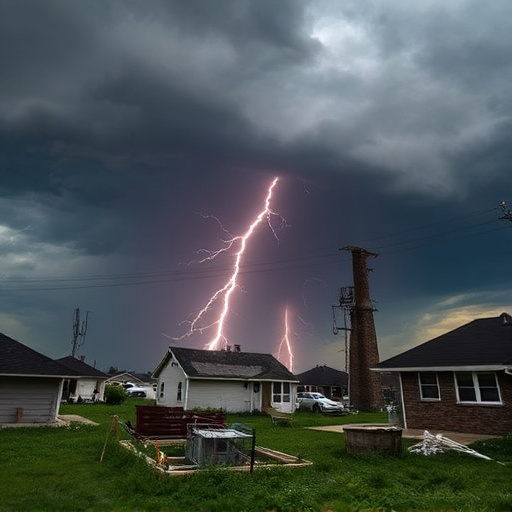
When the storm has passed and you're assessing the damage, it's crucial to know who to trust for repairs. One common problem after major weather events is the influx of "storm chasers"-unscrupulous contractors who capitalize on emergencies. To avoid falling victim to these fly-by-night operators, follow these guidelines.
First, document the damage thoroughly. Take photos of lifted shingles, broken tiles, and any visible interior leaks from heavy rain. Note the extent of ceiling stains, a clear sign of water intrusion. This documentation not only helps you remember the extent of the damage but also serves as crucial evidence for insurance claims. Remember, details matter-be sure to capture both the surface damage and potential hidden issues, such as storm-damaged underlayment or flashing.
Next, verify the contractor's legitimacy. Insist on seeing their Arizona ROC license, a clear indication of their legal status and expertise. A licensed local roofing company serving Oro Valley, like DC Roofing of Arizona, will have the necessary experience to handle a wide range of storm damage, from hail to microbursts. Reputable contractors won't shy away from showing their credentials, ensuring you're protected against subpar work or non-payment.
Avoid making hasty decisions by getting multiple, competitive quotes. This process not only gives you leverage against potential storm chasers but also ensures you're getting a fair price for quality work. A legitimate contractor will be able to assess the unique challenges posed by your roof's design, the wind exposure near Pusch Ridge, or the possibility of hidden damage from a second storm before providing an estimate. Be wary of low, vague quotes, as they often signal a lack of genuine experience or an attempt to exploit the emergency.
Lastly, trust your instincts. If a contractor arrives quickly after a storm, demanding immediate, expensive repairs, they're likely a storm chaser. Legitimate experts will assess the situation thoroughly and provide accurate, reasonable timelines for repairs. Remember, true professionals don't prey on people's fear or urgency. By following these steps, you can protect your home and ensure repairs are handled by the right people, preventing hidden damage and costly mistakes in the aftermath of a storm.
Comparing Estimates: Ensuring Quality Repairs

For storm damage repairs, comparing estimates is crucial to ensure you're getting high-quality, reliable work. It's a step that goes beyond simply choosing the lowest price, as it involves assessing the expertise, experience, and reputation of the roofing contractor. One common pitfall to avoid is engaging the services of storm chaser roofers, who may prioritize quick profits over durable repairs.
Compare not just prices, but also the scope of work, materials specified, and the estimated timeline. A comprehensive estimate should include a thorough assessment of every damaged component, from shingles and underlayment to flashing and gutters. It should accurately account for hail damage, which can vary greatly in severity and cost to repair, depending on the type of roof and the size of the hail.
During your evaluation, look for signs of hidden damage, such as ceiling stains caused by interior leaks after heavy rain. These can be indicative of storm-related issues that may not be immediately apparent. Take note of how each contractor addresses these potential problems. A professional will photograph the damage and provide clear, detailed documentation, which is invaluable for insurance claims and future reference. DC Roofing of Arizona offers quick assessments and urgent quotes, ensuring that any issues are promptly addressed and well-documented.
When comparing, also consider the contractor's knowledge of local building codes and their experience with specific types of roofs, like solar panels or skylights, which may require specialized attention. Remember, a storm damage repair job done incorrectly can lead to further issues, costly re-repairs, and even safety hazards. Therefore, it's essential to choose a licensed and insured professional with a proven track record, rather than relying solely on the lowest bid from an unfamiliar storm chaser.
Frequently Asked Questions About advice on documenting storm damage before repairs begin
What is the importance of documenting storm damage before repairs start?
Documenting storm damage is crucial because it provides a clear, before-and-after picture of the impact. This detailed record helps insurance claims adjusters assess the extent of the damage accurately. It also protects you from unexpected costs and ensures repairs align with your policy coverage. Proper documentation can streamline the claims process and lead to faster, more comprehensive reimbursement.
How should I document the damage?
Take thorough photos of the damaged areas from various angles. Include close-ups of specific issues like missing shingles, water stains, or structural damage. If possible, create a video tour of the affected areas. Document the date, time, and location of each photo. Keep records of any communication with your insurance company or a professional adjuster.
What details should I include in my documentation?
Focus on specific damage types, their locations, and the extent of the impact. Note the number of missing or damaged shingles, the size of water stains, and any structural issues. If trees or debris are involved, document their condition and potential contribution to the damage. Don't forget to record any safety hazards, like loose power lines or blocked gutters.
Can I use a phone app for documentation?
Absolutely. There are several user-friendly apps designed for documenting insurance claims, available for both iOS and Android. These apps often include features like photo and video capture, damage categorization, and storage for important documents. Always ensure your chosen app is secure and privacy-compliant.
What if I'm unsure about the extent of the damage?
If you're unsure, consult with a professional roofer or insurance adjuster. They can provide expert advice and help you assess the damage accurately. Remember, it's better to have a thorough understanding of the damage now to avoid disputes later.
How soon after the storm should I begin documentation?
Start documenting as soon as possible after the storm passes. The sooner you capture accurate images and information, the better. Even if repairs haven't begun, documenting the damage promptly ensures your claim includes all relevant details.
When facing the aftermath of a storm, the most crucial step in the repair process is thorough documentation. By carefully assessing damage, taking detailed photos, and noting the extent of the destruction, you empower yourself to make informed decisions. This knowledge ensures you're not taken advantage of by unscrupulous "storm chaser" roofers, a common concern in the Oro Valley area, especially with frequent monsoon seasons and severe weather events.
Your documentation serves as a critical foundation for navigating the claims process, comparing estimates, and securing the best repairs. It's your evidence, proving the extent of the storm's impact and justifying the work needed. This proactive approach offers peace of mind, ensuring your property is restored to its pre-storm condition and your financial interests are protected.
Next steps include contacting a reputable, licensed contractor, like DC Roofing of Arizona, for a professional assessment. They bring expertise and credentials, such as IICR certification and association memberships, to guarantee accurate inspections and quality repairs. With this guidance, you can confidently avoid hidden storm damage and ensure your roof is secure for the next storm.
Summary:
When dealing with storm damage, a licensed Arizona roofer recommends a systematic approach. Document extensive damage, focusing on microburst activity, lifted/missing shingles, broken tiles, flashing issues, gutters, roof vents, parapets, and skylights/solar panels. Take detailed photos and notes, avoiding storm chasers who lack expertise and may overlook hidden damage. This documentation aids insurance claims and ensures all issues, including hidden ones, are addressed. Verify contractors' legitimacy by checking Arizona ROC licenses, comparing detailed estimates, and choosing reputable local experts like DC Roofing of Arizona.