
In the harsh, unpredictable climate of Oro Valley, storm damage can pose a significant threat to your home's integrity. With winds whipping up debris, intense rain, hail, and even microbursts, it's not uncommon to wake up to a disaster zone on your roof. The first steps after such an event are crucial, especially for interior leaks after heavy rain. Documenting storm damage before repairs begin is a critical process that can save you from costly mistakes and ensure your home is restored to its pre-storm condition. Let's explore how to create a comprehensive storm damage roof repair damage checklist, leveraging the expertise of local pros like DC Roofing of Arizona, to navigate this challenging time effectively.
- Assess and Document Storm Damage
- Identify Interior Leaks After Heavy Rain
- Take Detailed Photos and Notes
- Consult a Professional for a Comprehensive Report
Assess and Document Storm Damage
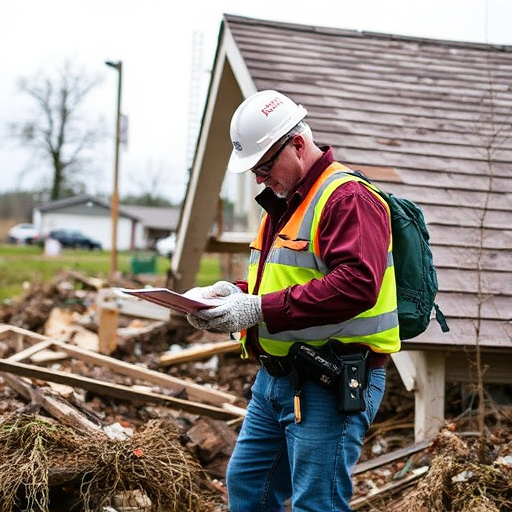
Documenting storm damage before repairs begin is crucial for ensuring your Oro Valley home is restored properly and for filing a successful insurance claim. After a storm, it's easy to be overwhelmed, but taking the time to assess and document the damage can make a significant difference in the repair process. An experienced Oro Valley roof specialist recommends starting with a thorough inspection, focusing on both visible and hidden issues.
Begin by examining your roof for lifted shingles, broken tiles, and any signs of microburst damage. These can be indicators of severe weather and may require immediate attention. A microburst can cause widespread damage, including broken tiles and torn shingles, often concentrated in a small area. Also, look for hail damage, which can vary greatly depending on the size and intensity of the hail. Take note of any missing or damaged flashing and parapets, as these components are essential for water sealing your roof. Interior leaks after heavy rain can often be traced back to issues with these areas.
Next, inspect your gutters and downspouts. Storms often leave them filled with debris, which can cause overflow and potential interior damage. Look for any tree limbs that may have fallen onto the roof or nearby, as they can cause significant damage during storms. Documenting these issues with clear, detailed photographs is invaluable. These images not only help you remember the damage but also serve as crucial evidence for insurance claims. Remember, many insurance companies require comprehensive documentation to support your claim, including photographs and detailed descriptions of the damage.
Finally, be aware of hidden storm damage, such as storm-related water intrusion or damaged underlayment. Flash flood runoff and strong winds can cause problems that aren't immediately apparent. It's essential to spot these issues from the ground as well, as they may require professional attention. If you notice mold growth or water stains on ceilings or walls after a storm, it's crucial to address these interior leaks immediately to prevent further damage. Don't wait until the second storm comes before repairs are completed; secure loose tiles and address any issues before the next monsoon season.
Identify Interior Leaks After Heavy Rain
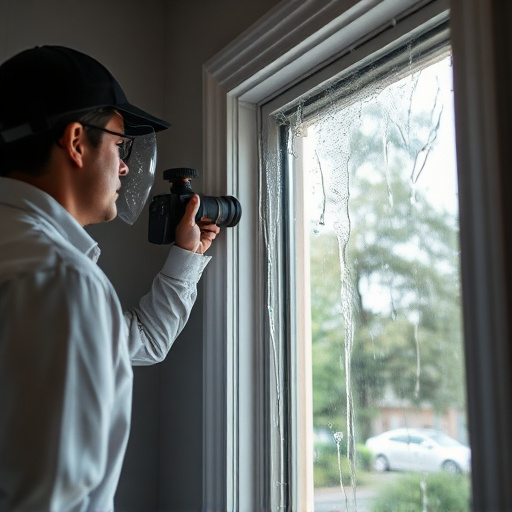
Identifying interior leaks after heavy rain is a critical step in your storm damage repair process, especially for homeowners in Oro Valley and Marana's Catalina Foothills region, where such storms are frequent. Water intrusion not only causes immediate damage but can lead to mold growth and structural issues if left unaddressed. The first step is to turn off the main water supply to prevent further flooding and damage while you assess the situation.
Walk through your home carefully, listening for dripping or splashing sounds. Check basements, crawl spaces, and attics for any signs of water. Many interior leaks go unnoticed because they start in hard-to-reach places or appear as small drips. However, these minor issues can escalate into costly repairs if not addressed promptly. Look for wet or discolored insulation, which could indicate a leak in the roof or flashing. The flashing, a crucial component often overlooked, is the barrier between your roof and walls, and it's essential to check for any cracks or damage that could allow water entry.
A roofing contractor serving Oro Valley and Marana will often recommend documenting these leaks with photographs for insurance claims. Keep detailed records of the damage, including dates, descriptions, and pictures, as these will be crucial when filing a storm damage insurance claim. Be sure to check for hidden leaks, too. Sometimes, heavy rain can cause interior leaks that aren't immediately visible. Keep an eye out for unusual musty odors or signs of water stains on ceilings, walls, or around windows. Identifying these issues early can save you time and money in the long run, ensuring a swift and accurate storm repair timeline.
Take Detailed Photos and Notes

Documenting storm damage before repairs begin is crucial, especially after heavy rain events in Oro Valley and Marana. Interior leaks after heavy rain can be challenging to trace without thorough photo documentation and detailed notes. As a roofing contractor serving Oro Valley and Marana, we've seen firsthand how meticulous record-keeping can streamline the insurance claims process and ensure repairs are done right.
Start by taking extensive photos of the damaged roof from multiple angles. Capture close-ups of lifted shingles, broken tiles, and any visible water intrusion. Documenting specific areas of concern, such as flashing and parapets, is essential. Notice any missing or damaged flashing around skylights or solar panels, as these areas are particularly vulnerable to water penetration. Take pictures of the overall roof structure to assess wind exposure and potential damage from flying debris.
Complementing visual documentation with detailed notes is equally vital. Note the date, time, and specific weather conditions during the storm. Describe any visible damage, including the extent of lifted shingles, broken tiles, or interior leaks. Note if water is seeping through a particular spot on the ceiling, providing exact coordinates within the home. These notes will help an insurance adjuster assess the damage and validate your claim, ensuring a smoother and more efficient repair process.
Consult a Professional for a Comprehensive Report

Consulting a professional for a comprehensive report is a crucial step in documenting storm damage before repairs begin. An experienced Oro Valley roof specialist can provide valuable insights into the extent of the damage, including hidden issues that might go unnoticed otherwise. They will thoroughly inspect your property, focusing on areas prone to damage in our region, such as Rancho Vistoso, where scuppers and gutters can be particularly vulnerable to water intrusion after heavy rain.
These professionals are trained to identify signs of interior leaks after heavy rain, a common consequence of storm damage. They will meticulously document any water stains, mold growth, or structural issues caused by prolonged water exposure. They might point out that a lack of proper flashing or underlayment can lead to hidden leaks that only manifest during or after severe weather events. By involving an expert early in the process, you ensure that any repairs are based on accurate, up-to-date information, preventing future problems.
The report generated by a professional can be invaluable when filing a storm damage insurance claim. It provides concrete evidence of the damage, which can help streamline the claims process and secure the financial protection you deserve. This detailed documentation can assist in identifying specific areas of your roof that may require extra attention during repairs, such as those areas with increased wind exposure near Pusch Ridge, where damage from flying debris or microbursts is more common. Remember, catching hidden storm damage early can save you time, money, and stress in the long run.
Frequently Asked Questions About advice on documenting storm damage before repairs begin
What is the most important step when documenting storm damage?
Prioritize safety. Always assess the immediate danger posed by fallen debris, exposed wiring, or structural instability before attempting to document damage. Once safe, take detailed photos of the affected areas, noting any missing shingles, water stains, or structural issues. Consider video recording for a more comprehensive visual record. This documentation is crucial for insurance claims and future reference.
How should I document the extent of the damage?
Create a comprehensive inventory of damaged areas, including roof, siding, windows, and gutters. Take multiple photos from different angles to capture the full scope. If possible, measure the dimensions of the damaged sections for precise record-keeping.
What information should I include in my documentation?
To describing the damage, note the date and time of the storm, the location of your property, and any relevant details like the direction of wind or heavy rainfall. Document any previous repairs or vulnerabilities in the structure, as these can impact the claim. Keep receipts for any immediate repairs or materials used to protect your property while waiting for official repairs to begin.
Who should I contact after documenting the damage?
Inform your insurance company about the storm damage as soon as possible. Provide them with the documentation you've gathered, including photos and a detailed description. They will guide you through the claims process and assign a contractor to assess and repair the damage. Keep open lines of communication with your insurance provider and the assigned contractor throughout the repair process.
What if I'm unsure how to document the damage effectively?
If you're unsure, consult a professional roofer or insurance adjuster. They can provide expert advice and ensure your documentation is thorough and accurate. Some companies offer storm damage assessment services specifically tailored to help policyholders navigate the claims process. This extra step can be invaluable, especially if you're unfamiliar with the process.
Can I use my phone to document the storm damage?
Absolutely. Most smartphones have high-quality cameras and video recording capabilities, making them suitable for documenting storm damage. Ensure your phone's battery is fully charged before starting, and consider keeping a portable charger handy for emergencies. Take clear, well-lit photos and videos, and label them with the date, time, and location for easy reference later.
What happens after I submit my documentation to the insurance company?
The insurance company will review your claim and assess the damage. They may request additional information or send an adjuster to inspect the property. Once the claim is approved, they will provide you with a payment or authorization for repairs, which can be handled by your chosen contractor. Keep all records and communications related to the claim for future reference.
Before repairs begin, thorough documentation of storm damage is crucial. By assessing interior leaks after heavy rain, taking detailed photos, and consulting a professional, you'll have a comprehensive record to support your insurance claim. This process ensures that any hidden storm damage is identified and addressed, protecting your investment and providing peace of mind. Remember, the initial steps after a storm, including securing loose tiles and inspecting for hidden damage, are vital to prevent further issues. With these key insights, you're now equipped to navigate the process with confidence and ensure your Oro Valley home is restored to its best post-storm condition.
Document storm damage thoroughly for peace of mind and a smoother insurance claim. Focus on both visible and hidden issues, including:
- Exterior: Lifted shingles, broken tiles, microburst damage, hail damage, damaged flashing and parapets.
- Interior: Listen for dripping sounds, check for wet insulation, look for water stains, mold growth after heavy rain.
Take extensive photos from multiple angles, note specific damage details, and date/time of the storm. Involve a professional for a comprehensive report, especially in Oro Valley's vulnerable areas. This documentation is crucial for accurate repairs and successful insurance claims.