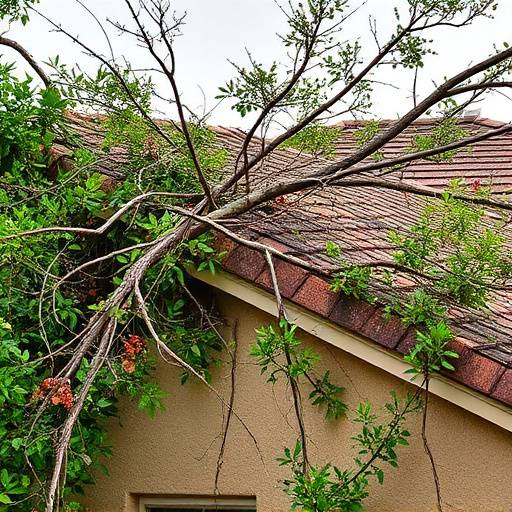
In the harsh climate of Arizona, storm damage to roofs is a common concern, especially during the intense monsoons. As a homeowner, navigating the aftermath of such storms and understanding your insurance claim process can seem daunting. This is where a thorough monsoon roof damage checklist becomes essential. Many residents struggle with the initial steps after storm damage, from identifying wind-driven rain tile leaks to securing loose tiles before the next monsoon. DC Roofing of Arizona, a licensed Oro Valley area roofing contractor, offers expert guidance on this very issue. By understanding the typical storm damage repair timelines, hidden issues like storm damaged underlayment, and the importance of photographing roof damage, you can ensure your home is protected and your claim is handled efficiently. Let's explore this step-by-step process to give you peace of mind and financial protection.
- Understanding Monsoon Roof Damage Claims in Arizona
- Step-by-Step: Filing an Insurance Claim
- The Monsoon Roof Damage Checklist: What to Expect
- Navigating the Claims Process: Your Rights and Options
Understanding Monsoon Roof Damage Claims in Arizona
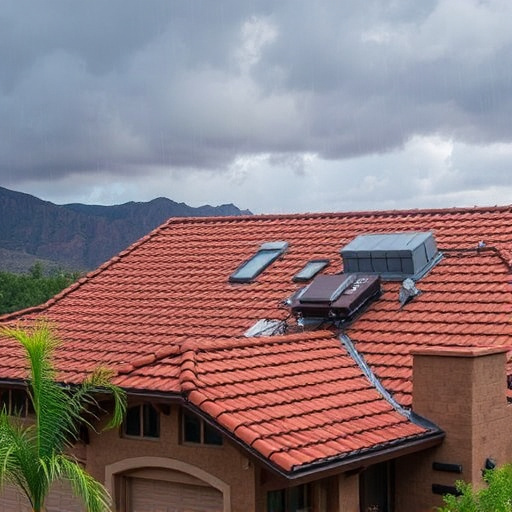
In Arizona, monsoon season brings not only scorching heat but also the potential for severe storms, including powerful haboobs, which can cause extensive roof damage. Understanding the process of filing an insurance claim for these types of storms is crucial for Oro Valley homeowners. This involves a thorough monsoon roof damage checklist and navigating the complex interactions between your insurance provider, a licensed Arizona ROC contractor, and an insurance adjuster.
The first step after a storm is to assess the damage. Look for lifted shingles, broken tiles, and signs of flashing or parapet damage. Documenting this damage with photographs is essential. A roofer with an Arizona ROC license can assist in identifying hidden storm damage, such as compromised underlayment or interior leaks caused by wind-driven rain. Compiling a complete damage checklist ensures you have all the necessary information for your insurance claim.
When filing an insurance claim, your policyholder's role is to provide accurate and detailed information to the insurance adjuster. This includes the scope of work for repairs, which might include roof shield restoration, securing loose tiles before the next monsoon, or replacing damaged solar panels. It's important to avoid storm chaser roofers who may promise swift but subpar repairs. Instead, engage the services of a reputable local roofing company specializing in storm restoration. These experts can guide you through the process, ensuring your claim is handled efficiently and your roof is repaired correctly.
Remember, the insurance adjuster will assess the damage and determine the repair timeline. In Arizona, storm repair timelines can vary, with some claims requiring immediate attention to prevent further damage, especially after a second storm before repairs are completed. Flash flood runoff can exacerbate roofing issues. A public adjuster, if hired, can advocate for your interests and ensure your claim is settled fairly. Keep detailed records of all communications and documentation related to your storm damage claim.
Step-by-Step: Filing an Insurance Claim

When dealing with monsoon roof damage, understanding the insurance claim process is crucial. Filing an insurance claim is a structured procedure designed to help you secure financial assistance for repairs. Here's a step-by-step guide tailored for Arizona residents, focusing on wind damage and lifted shingles, common issues during our intense storms.
Step 1: Assess the Damage
Before filing a claim, thoroughly inspect your property. Look for lifted shingles, damaged parapet walls, and signs of wind exposure. The monsoon season can bring powerful winds, often exceeding 60 mph, so it's essential to document any visible damage. Create a comprehensive monsoon roof damage checklist to ensure you don't miss any issues. Check for missing or broken tiles, exposed underlayment, and signs of water intrusion. If you're unsure about the extent of the damage, consider engaging a local roof expert, like DC Roofing of Arizona, for a professional assessment.
Step 2: Contact Your Insurance Provider
Once you've documented the damage, reach out to your insurance company. Most providers have dedicated hotlines or online platforms for filing claims. Be prepared to provide detailed information about the damage, including photos and descriptions. Keep records of all communications, as this documentation will be vital if you need to escalate the claim. Your agent or the claims adjuster will guide you through the process and provide specific instructions tailored to your policy.
Step 3: Submit Your Claim
Fill out the claim form provided by your insurance company. This form typically requires detailed descriptions of the damage, the date of occurrence, and the estimated repair costs. If your claim involves significant damage, such as lifted shingles or extensive roof leaks, be prepared to provide a detailed estimate from a licensed roofer. DC Roofing of Arizona, a local Oro Valley company, can offer prompt estimates and work with your insurance provider to ensure a smooth process.
Step 4: Follow Up and Monitor the Claim
After submitting your claim, regularly follow up with your insurance company. The timeline for processing claims can vary, and it's essential to stay engaged. Keep track of any communication, including emails, letters, and phone calls, and make notes of any promises or commitments made by the claims adjuster. If you encounter delays or issues, don't hesitate to reach out to a public adjuster, who can advocate on your behalf to ensure your claim is handled efficiently.
The Monsoon Roof Damage Checklist: What to Expect
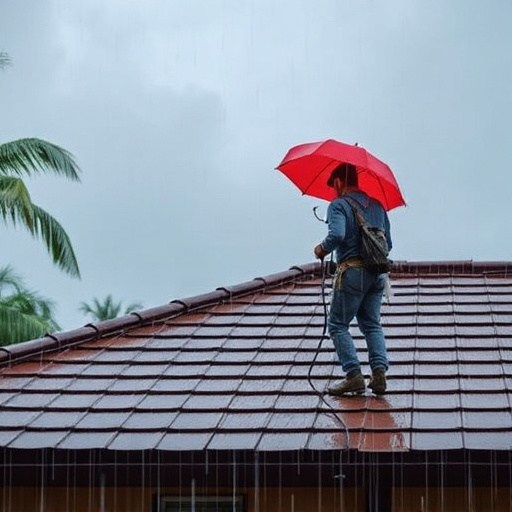
When a storm hits Oro Valley during the monsoon season, homeowners often face the daunting task of assessing roof damage. Understanding the process of filing an insurance claim and what to look for on your property is crucial. This section examines the monsoon roof damage checklist: what to expect and how to navigate the claim process.
The first step after a storm is to conduct a thorough inspection of your roof. Look for signs of damage, such as lifted shingles, broken tiles, or flashing issues. A local roofing company serving Oro Valley might advise inspecting the roof's underlayment and flashing, which are particularly vulnerable to water intrusion during heavy rains. Ceiling stains, a common result of interior leaks, can also indicate storm damage. Keep detailed notes and, if possible, capture photographs of the damage, as these will be essential for your insurance claim.
Filing an insurance claim involves several steps. Start by reviewing your policy to understand your coverage and deductibles. Then, contact your insurance provider to report the damage and initiate the claims process. Be prepared to provide detailed information about the extent of the damage, including the type of storm and any relevant wind speed or hail size. If a microburst or haboob caused the damage, specify this in your claim. The insurance adjuster will assess the situation and, if approved, provide a settlement offer to cover the repairs. Remember, timely action is key; waiting for a second storm before repairs can void your coverage, as seen in cases near Pusch Ridge.
Remember, the monsoon roof damage checklist is a practical guide to navigating these challenges. By staying informed and proactive, homeowners can ensure their properties are protected and claims are handled efficiently. Consider consulting a reputable roofing contractor, like DC Roofing of Arizona, for expert advice tailored to your Oro Valley home.
Navigating the Claims Process: Your Rights and Options

When navigating the roof insurance claim process in Arizona, especially after a storm as intense as a monsoon, it's crucial to understand your rights and options. As a homeowner, you're entitled to a thorough and accurate assessment of your property's damage, which includes your roof. This is where an experienced local roofing company serving Oro Valley can be invaluable, providing a professional eye and a detailed monsoon roof damage checklist.
The initial step involves reporting the storm damage to your insurance company. Once you've done that, an insurance adjuster will be assigned to your claim. It's important to cooperate with them, allowing access to your property and providing any necessary documentation. Keep in mind that this adjuster's role is to represent the insurance company's interests, so it's your responsibility to ensure they conduct a comprehensive hail damage roof inspection Oro Valley. This includes examining your roof for lifted shingles, broken tiles, storm-driven water leaks, and any signs of hidden damage. Interior leaks after heavy rain or flash flood runoff can indicate broader problems that require immediate attention.
In the aftermath of a storm, it's common to encounter storm chasers-unscrupulous contractors who may promise swift repairs but lack the expertise and credentials. To avoid such pitfalls, be wary of rushed repairs and demanding prompt estimates. Instead, encourage thorough assessments and quality workmanship. A reputable roofing company will not only provide a detailed storm repair timeline but also ensure the work is done right, protecting your investment and your home. They might also guide you through the process of filing a storm damage insurance claim, explaining what's covered and what's not, and helping you navigate any complexities.
Frequently Asked Questions About a Plain Language Walk Through of the Roof Insurance Claim Process in Arizona
What is the first step in filing a roof insurance claim in Arizona? The initial step is to contact your insurance provider directly to report the damage. DC Roofing of Arizona recommends documenting the issue with photos, noting the extent of the damage, and keeping all records. Once notified, the insurer will guide you through the claim process, including assigning an adjuster to assess the damage. This step is crucial for initiating the claim and ensuring a smooth process.
How do I know if my roof damage is covered by insurance? Understanding coverage depends on your policy specifics and the cause of damage. Common roof-related claims include storm damage, wind, hail, and leaks. Check your policy for terms like "windstorm" or "storm damage" coverage. If your policy covers the event that caused the damage, you may be eligible for compensation. It's essential to review your policy with an agent or specialist to confirm.
What documentation is required for a roof claim in Arizona? Filing a successful claim requires several key documents. These typically include your policy, recent assessment or repair estimates, photographs of the damage, and any relevant permits or proof of prior work. Providing detailed information about the problem and the steps taken to mitigate it can expedite the claim. Keep all records organized and easily accessible.
Can I hire a roofing contractor to help with my insurance claim? Absolutely. Many homeowners choose to engage a licensed roofing contractor like DC Roofing of Arizona to assist with claims. Contractors can provide expert advice, ensure accurate documentation, and help navigate the claim process. They may also facilitate repairs or replacements, ensuring compliance with insurance requirements. This support is invaluable, especially when dealing with complex claims.
What happens if my insurance denies my roof claim? If your claim is denied, review the insurer's explanation carefully. They will typically provide a reason, such as lack of coverage or inadequate documentation. You have the right to appeal the decision, often requiring additional evidence or clarification. Consulting with a professional, like a claims adjuster, can help strengthen your appeal. Be prepared to provide concrete information to support your case.
Navigating a monsoon roof damage claim in Arizona involves a series of crucial steps, as detailed in our authoritative guide. Key insights include the importance of a thorough monsoon roof damage checklist to document storm-related damage, enabling efficient filing of insurance claims. Understanding your rights and options, as well as the potential for hidden storm damage, is vital.
The article emphasizes the value of early action, such as securing loose tiles before the next monsoon, and prompt reporting to your insurance company. Engaging a licensed and insured professional, like those at DC Roofing of Arizona, can streamline the claims process and ensure repairs are handled correctly.
By following the step-by-step guide and utilizing the monsoon roof damage checklist, homeowners can effectively manage storm damage, protect their investment, and restore their properties with peace of mind.
In Arizona's monsoon season, homeowners must assess roof damage, compile a detailed monsoon roof damage checklist, and navigate insurance claims with licensed contractors. Document damage, contact insurers, submit claims, follow up, and avoid storm chasers. Engage a reputable local roofer for guidance and thorough repairs, ensuring your claim is handled efficiently and your roof is restored to its best.