
In Oro Valley, severe weather, including hailstorms and microbursts, poses a significant threat to residential roofing. These powerful events can leave behind a trail of destruction, with tile, foam, and shingle roofs bearing the brunt of the damage. Understanding how these storms impact different roofing materials is crucial for property owners. Flash flood runoff and roofs, as a result of microbursts, can cause hidden damage, making post-storm inspections vital.
This article serves as your practical guide to navigating the aftermath of such storms, focusing on identifying and addressing the unique challenges posed by hail, microbursts, and their associated risks. We'll explore practical steps, from the initial damage assessment to securing your roof and navigating insurance claims, ensuring your home is protected during and after these extreme weather events.
- Understanding Hail, Microbursts, and Roof Damage
- Hail and Microbursts: How They Form
- Assessing Tile, Foam, and Shingle Roof Damage
- Mitigating Flash Flood Runoff Risks Post-Storm
Understanding Hail, Microbursts, and Roof Damage
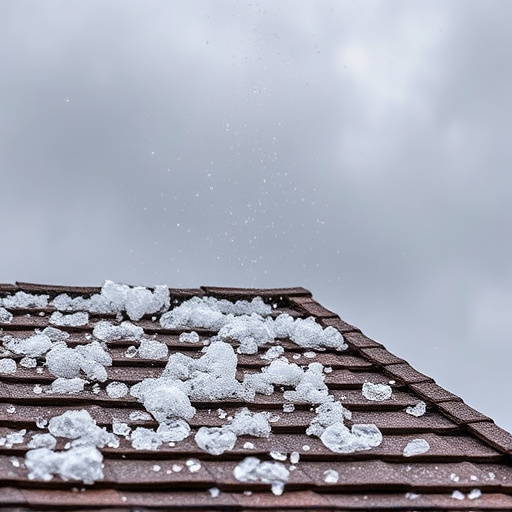
Hail and microbursts are powerful forces that can leave devastating impacts on your roof, especially during Oro Valley's monsoon season. Understanding how these weather events cause damage is crucial for homeowners and property managers to navigate the aftermath and initiate repairs effectively. This section examines the mechanisms of hail and microbursts and their unique effects on different roofing materials.
Hail, a common occurrence during thunderstorms, varies in size from tiny peeps to golf-ball sized chunks. The larger the hail, the more severe the potential damage. In Oro Valley, where microbursts are not uncommon, these localized, powerful winds can drive hail at high speeds against roofs, leading to cracks, dents, and even complete removal of shingles or tiles. A thorough hail damage roof inspection is essential, focusing on areas with the most exposure to wind and hail. Roofers with an Arizona ROC license recommend examining the underlayment, flashing, and gutters for signs of damage. Lifted shingles or broken tiles often indicate that hail has struck, and these areas need immediate attention to prevent further leaks.
Microbursts, intense localized winds that can flip cars and uproot trees, pose a significant threat to roofs. Unlike regular winds, microbursts are concentrated and powerful, capable of causing widespread damage in a small area. When a microburst hits your home, it can lift shingles, break tiles, and even damage the structural components of your roof. After a microburst, it's crucial to assess the roof's integrity. Look for signs of lifted shingles, which can be a sign of hidden damage. Flash flood runoff and roofs can exacerbate the issue, so checking for interior leaks is essential. A licensed roofer can help inspect for storm damage, providing expert advice on repairs and ensuring your home is secure for the next storm.
To visible damage, hail and microbursts can cause subtle but significant issues, such as damaged flashing and parapets. These components play a vital role in keeping your home dry, so thorough inspections are key. Tree limb damage during storms is another common problem, with fallen branches potentially impaling roofs or causing extensive shingle damage. Avoid the temptation to tackle these repairs yourself; hiring a professional roofer is the best course of action. They can assess the extent of the damage and provide a timeline for repairs, especially when there's a second storm approaching. Remember, prompt action is crucial after a storm, so don't wait for a second storm to strike before addressing the damage.
Hail and Microbursts: How They Form
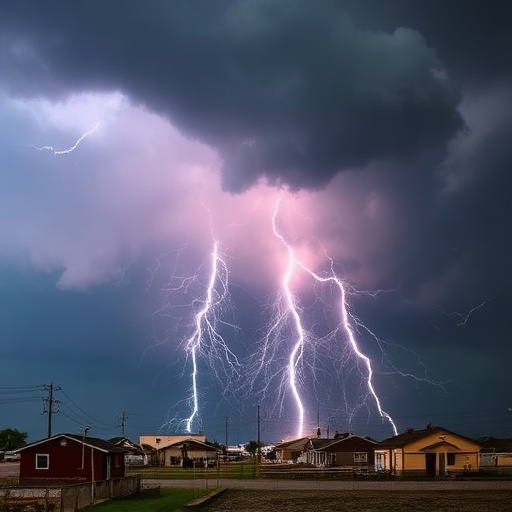
Hail and microbursts, powerful forces of nature, pose significant risks to roofs in the Oro Valley area, particularly during the monsoon season. Understanding how these weather events impact different roofing materials is crucial for homeowners and property managers. This section examines the mechanisms behind hail and microburst formation and their specific effects on tile, foam, and shingle roofs.
Hail forms when water vapor in clouds freezes into ice pellets, which then fall to the ground. The intensity and size of hail vary widely, with some storms producing small, pea-sized pellets and others generating large, golf-ball-sized or even larger chunks. Microbursts, on the other hand, are localized, powerful downbursts of wind that can cause significant damage to trees, structures, and landscapes. They often occur within larger thunderstorms and can reach wind speeds exceeding 60 mph, with gusts even higher.
The impact of hail and microbursts on roofs varies by material type. Tile roofs, known for their durability, can withstand moderate hail events, but severe storms with large hail can result in broken tiles and chips. A storm in 2020 left many homes in Oro Valley with damaged tile roofs due to hail larger than golf balls. Foam roofs, lighter and more flexible, are more susceptible to damage from flying debris, including hail and wind-driven rain. Shingle roofs, a common choice in the area, can also suffer significant damage from microbursts, which can lift and tear off shingles. Homeowners with shingle roofs should be particularly vigilant during severe weather, securing loose tiles before the monsoon season to prevent wind exposure near Pusch Ridge, a known area prone to microbursts.
When a storm causes damage, it's crucial to document the extent of the harm. Photographing the roof and overall property after a storm can be invaluable for filing a storm damage insurance claim. A licensed Arizona roofer can provide an accurate inspection and assessment, helping you navigate the claim process and potentially mitigating out-of-pocket expenses, especially if your deductible is a concern. Remember, the aftermath of a storm is not only about repairing broken tiles or replaced shingles but also addressing interior leaks, storm-damaged flashing and parapets, and even hidden storm damage that may only become apparent after a second storm or during a heavy flash flood runoff.
Assessing Tile, Foam, and Shingle Roof Damage
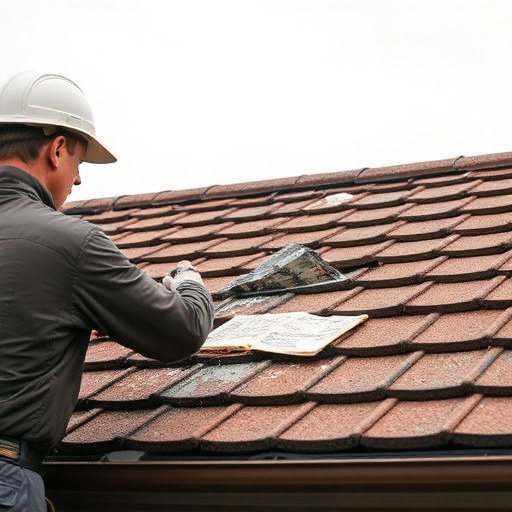
When assessing hail and microburst damage to tile, foam, and shingle roofs, homeowners and property managers must examine beyond superficial appearances. While lifted shingles and broken tiles are readily visible, other types of damage may be less obvious but equally significant. Flash flood runoff and roofs, for instance, can leave interior leaks that go unnoticed until they cause extensive water damage. This is why thorough photo documentation, along with a professional assessment, is crucial before initiating repairs.
A roofer with an Arizona ROC license can provide invaluable insights into the full extent of the damage. They will inspect the flashing, a critical component often affected by wind-driven rain and flying debris. Damage to flashing can lead to interior leaks, so a thorough check is essential. They'll also assess the underlayment, which protects the roof sheathing and can be compromised by heavy hail or wind exposure near Pusch Ridge. For tile roofs, experts look for loose or cracked tiles, as well as potential damage to the underlying structure, especially in areas with high wind exposure.
To visual inspections, it's crucial to consider the size and intensity of hail. Larger hail can leave behind noticeable dents and cracks, while smaller hail may be more subtle but still cause significant damage. These details, along with the timing of the storm (a second storm before repairs can complicate matters) and the involvement of tree limbs, can impact the scope and cost of repairs. Homeowners should be aware of their insurance policy deductible and the process of filing a claim, especially when dealing with flash flood runoff and roofs. Understanding these factors empowers property owners to make informed decisions during the storm damage recovery process.
Mitigating Flash Flood Runoff Risks Post-Storm

Post-storm, one of the most concerning risks homeowners face is flash flood runoff and roofs. Heavy rainfall from monsoons, microbursts, and thunderstorms can quickly turn a minor leak into a major flood, causing extensive damage. At DC Roofing of Arizona, we've seen the aftermath of these events, and we understand the importance of swift action to mitigate these risks.
During the monsoon season, securing your home against flash flood runoff is crucial. A key first step is to ensure your roof is in good condition before the storm season begins. Regular inspections by our certified storm experts can identify any weak spots, like lifted shingles, broken tiles, or damaged underlayment. We encourage homeowners to photograph any existing damage for insurance claims, using photo documentation as a valuable tool. By addressing these issues proactively, you can significantly reduce the impact of heavy rain.
When a storm does occur, it's vital to act quickly. If you notice interior leaks or signs of water damage after a storm, don't delay. Contact our 24/7 leak team immediately. Our licensed and insured pros will assess the situation and provide prompt estimates. We'll work diligently to secure loose tiles, repair damaged flashing and parapets, and ensure your roof is protected from potential second storms. Remember, your deductible may apply for such damages, so proper documentation through photo evidence is essential. By partnering with DC Roofing of Arizona, you gain a trusted ally in navigating the post-storm claims process.
Frequently Asked Questions About an explainer on how hail and microbursts damage tile, foam and shingle roofs
What causes damage to roofs from hail and microbursts? Hail and microbursts, intense, localized vents of wind, can cause significant damage to roofs. Hail impacts create holes, cracks, and punctures in shingles, tiles, and foam. Microbursts, though less visible, generate high winds that can rip off shingles, tear off gutters, and even uplift and damage roof structures. Both phenomena are common in severe weather events and can leave roofs vulnerable to water intrusion and further structural damage.
How do I know if my roof has been damaged by hail or a microburst? Look for missing, cracked, or bent shingles; dents or holes in metal roofing; and dislodged gutters. Damaged tiles or foam may expose underlying structures, and water stains on ceilings or walls can indicate infiltration. If you suspect hail or microburst damage, a professional inspection is crucial to assess the full extent of the damage and recommend repairs.
How quickly should I repair a hail-damaged roof? Timely repair is essential to prevent further damage and water intrusion. While there's no strict deadline, it's recommended to act within a few days. Prolonged exposure to the elements can lead to secondary damage, such as mold growth or structural weakening. A licensed roofer should assess the situation to determine the urgency and scope of repairs.
What are the costs associated with repairing hail damage? The cost of repairs varies based on the severity of damage and the type of roof. DC Roofing of Arizona, for instance, charges around $50-$100 per square foot for typical hail damage repairs. This includes replacing missing or damaged shingles, repairing leaks, and ensuring the roof is structurally sound. A detailed estimate from a local roofing company serving Oro Valley can provide a more accurate breakdown of costs.
Do insurance policies cover hail damage? Most home insurance policies in Arizona cover hail damage to roofs, but the specifics depend on the policy and the circumstances. Check your policy for specific coverage details. In cases of microburst damage, which might not be explicitly covered, you may still be eligible for compensation if the event meets the criteria for a catastrophic storm, as defined by your insurance provider.
Understanding the destructive forces of hail and microbursts is crucial for any homeowner in Oro Valley facing post-storm roof damage. This article has provided a practical guide to assessing and mitigating the impacts of these events, focusing on tile, foam, and shingle roofs. By understanding how these weather phenomena form and the specific damage they cause, residents can better prepare for and respond to potential storm events. Key takeaways include the importance of a thorough assessment, documenting damage with photographs, and securing loose tiles before the onset of monsoon season. The article highlights the risks of flash flood runoff and roofs, emphasizing the need for timely repairs and mitigation strategies to prevent further damage.
The insights shared here offer practical, actionable steps for homeowners and property managers. First, assessing roof damage promptly is vital, as early intervention can prevent more severe and costly repairs. Second, protecting against flash flood runoff and roofs is an ongoing concern, especially with the potential for second storms before repairs are complete. Lastly, working with licensed, experienced professionals like DC Roofing of Arizona ensures that repairs are handled efficiently and correctly, providing peace of mind and financial protection.
By following these guidelines and learning from the expert advice shared in this article, Oro Valley residents can better navigate the challenges of storm damage, securing their homes and investments with confidence.
Hail and microbursts, common during Oro Valley's monsoon season, pose significant risks to roofs, with damage varying by material type. Tile roofs may withstand moderate hail but can suffer from severe events, while foam and shingle roofs are more vulnerable to wind-driven debris. Thorough inspections by licensed roofers are crucial for assessing damage, especially hidden issues. Flash flood runoff and roofs pose interior leak risks, requiring prompt attention. Proactive maintenance, documentation, and expert repairs from a local roofer like DC Roofing of Arizona are key to mitigating storm damage risks.