
In the face of a storm, the damage to your Oro Valley roof can seem overwhelming. Documenting that damage before repairs begin is crucial, especially when dealing with complex issues like hail size and roof damage. Understanding what to look for and how to record it can help streamline your insurance claim process and ensure you receive the necessary coverage for the full extent of the work required. This article provides practical, expert advice on creating a comprehensive storm damage checklist to guide you through the initial, critical steps after a storm.
- Assess Hail Damage to Roof: Initial Observation
- Document Storm Impact: Photo Evidence Essential
- Measure Hail Size for Insurance Claims
- Create Detailed Damage Report for Repairs
Assess Hail Damage to Roof: Initial Observation
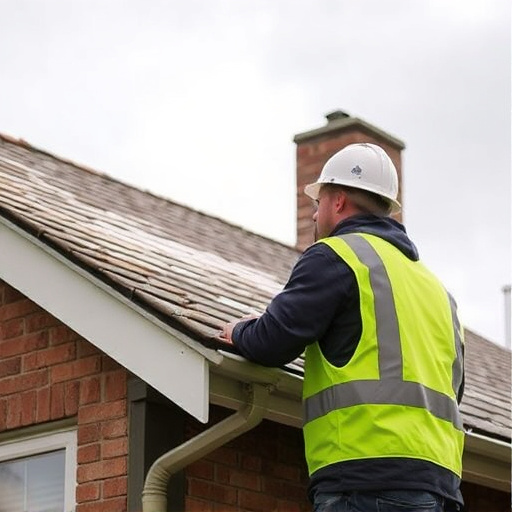
When assessing storm damage, especially hail damage, in Oro Valley or Marana, it's crucial to get a clear picture of the extent of the impact on your roof. Start by making a systematic initial observation to document the hail size and roof damage. This step is critical, as it provides a foundation for your repair process and insurance claim.
First, look for signs of impact on the roof surface. Hail can range from small, pea-sized pellets to large, golf-ball-sized chunks, each leaving distinct marks. Lifted shingles, broken tiles, or punctures are clear indicators of hail damage. A close examination might reveal small divots or cracks in the asphalt shingles, which could be caused by hail as small as 1 inch in diameter. If you're unsure, consult a local roofing contractor for expert assessment.
Next, inspect the underlayment and flashing. Storm damage can expose these critical components, leading to interior leaks after heavy rain. Look for any signs of tearing, holes, or separation. Check the condition of your gutters, as storm-related debris can cause clogs and overflows, leading to flash flood runoff issues. Spotting damage from the ground can be challenging, but inspecting the roof's perimeter and looking for signs of lifted or missing shingles near tree limbs can help identify hidden storm damage.
Remember, avoiding storm chasers is also a strategic move. While well-intentioned, these contractors may not have the same level of expertise as a licensed Oro Valley area roofing contractor. Stick to established, reputable professionals who can provide a thorough assessment, document the damage, and guide you through the storm damage insurance claim process.
Document Storm Impact: Photo Evidence Essential

Documenting the storm's impact through photo evidence is a crucial first step in the storm damage repair process, especially in areas like Oro Valley where severe weather, including hailstorms, is common. This visual record serves as a comprehensive, irrefutable document of the damage, aiding both property owners and licensed Oro Valley area roofing contractors in understanding the extent of the work required.
When assessing a roof for storm damage, look for specific indicators such as lifted shingles, broken tiles, and visible signs of water intrusion. In Rancho Vistoso, where hail can be particularly severe, homeowners should photograph areas with hail size exceeding 1 inch, as these impacts are likely to have compromised the integrity of the roof. Pay close attention to flashing and parapets, common points of failure during heavy storms, and document any visible signs of storm damage to these components.
Beyond the roof, interior leaks after heavy rain, flash flood runoff, and storm-related tree limb damage can also be critical. Property owners should photograph these issues as well, noting the location and extent of any visible storm damage. By capturing this evidence, homeowners can support their storm damage insurance claims and ensure repairs are handled correctly. Documenting lifted shingles and broken tiles, along with interior leaks, provides concrete proof of the storm's impact, aiding in the timely processing of a claim.
Measure Hail Size for Insurance Claims

Documenting storm damage is a crucial step in the repair process, especially when dealing with extensive hail damage. The size and extent of hail can vary greatly, and accurately measuring it is essential for a successful insurance claim. As a licensed Oro Valley area roofing contractor, we've seen firsthand how detailed documentation can streamline the claims process and ensure homeowners receive the compensation they deserve for their roof repairs.
Hail size and roof damage are inextricably linked. Larger hail can leave behind significant damage, from cracked tiles and flashing to lifted shingles and exposed underlayment. To initiate your insurance claim, take note of the largest hailstones and document their measurements. You can use a ruler or tape measure to record the diameter of the largest pieces, taking multiple samples from different parts of the roof to get an accurate representation. If you observe a cluster of 2-inch hail, photograph it and note the area affected. This data becomes crucial when communicating with your insurance adjuster, who will use it to assess the extent of the damage and the necessary repairs.
To hail size, look for signs of damage to the flashing and gutters, which can often be overlooked. Flashing is a crucial component of your roof's protective system, and damage to it can lead to interior leaks and further complications. Check for any signs of tearing, corrosion, or separation from the roof. Similarly, gutters and downspouts can be impacted by flying debris, causing clogs and water damage. Documenting these details, along with the hail size, provides a comprehensive record for your adjuster, ensuring a faster and more efficient claim process. Remember, the more thorough your documentation, the better equipped you are to advocate for your claim and secure the financial protection you need for your Oro Valley home.
Create Detailed Damage Report for Repairs

Documenting storm damage before repairs begin is a crucial step in the storm restoration process. It provides a clear picture of the extent of the damage, helps ensure thorough repairs, and serves as valuable documentation for insurance claims. When a severe storm, such as a haboob or intense hail event, hits Oro Valley, it's essential to create a detailed damage report. This report will guide your repairs and help you navigate the claims process, especially when dealing with extensive hail size and roof damage.
A comprehensive damage report includes both visual and written documentation. Start by taking high-resolution photos of the entire property, focusing on the roof and any visible damage. The National Weather Service Tucson can provide valuable information about the storm's intensity and type, which can be included in your report. Next, create a detailed list of all observed damage, noting the type, location, and extent. List the number of lifted shingles, broken tiles, or damaged flashing. If there are interior leaks after heavy rain, document the source and extent of water intrusion. This level of detail ensures that every aspect of the storm damage is addressed during repairs.
When preparing your report, consider the following:
- Scope: Assess the entire property, including the roof, gutters, and any structures in the yard that might have been affected.
- Specificity: Be detailed in your descriptions. Instead of just noting "shingles damaged," specify the number of shingles missing or lifted.
- Organization: Keep your report well-organized, using categories for different types of damage. This makes it easier to reference during the repair process and for your insurance claim.
Remember, a licensed Oro Valley area roofing contractor can offer expert advice throughout this process. They can assist in creating a thorough damage report, ensuring that your repairs are accurate and aligned with your insurance coverage. By documenting storm damage meticulously, you set the foundation for a smooth and successful storm restoration process.
Frequently Asked Questions About advice on documenting storm damage before repairs begin
What is the importance of documenting storm damage before repairs start?
Documenting storm damage is crucial because it provides a clear record of the pre-repair condition of your property. This is essential for insurance claims, ensuring you receive fair compensation for the damage. It also helps establish a baseline for the work required, allowing for better communication with your contractor and a smoother repair process.
How should I document the storm damage?
Take detailed photos of the affected areas, focusing on both the structural damage and any personal belongings damaged. Note the date and time of the storm and describe the damage in writing. Keep receipts for any temporary repairs or materials you purchase. A well-organized folder with these documents will be invaluable during the claim process.
What specific types of damage should I document?
Document all visible signs of storm damage, including broken or missing shingles, leaks, cracks in windows or walls, water stains, and tree branches that have fallen onto the roof or property. Don't forget to include any personal belongings that have been damaged or lost, such as furniture, clothing, or electronics.
Can I use my smartphone to document the damage?
Absolutely. Smartphones are convenient for capturing photos and videos of the damage. Ensure your phone has a good signal and the lighting is adequate for clear images. Create a dedicated folder for these documents and back them up to the cloud for easy access later.
What if I'm unsure about what to document?
If you're unsure, document it. It's better to have a comprehensive record than a limited one. If you're still unsure, consult with a trusted contractor or insurance adjuster. They can provide guidance and ensure you capture all relevant information.
How soon after the storm should I start documenting?
Start documenting as soon as it is safe to do so. The sooner you capture the damage, the better. Wait too long, and the damage might be harder to assess and may even worsen, complicating the claim process.
Who should I involve in the documentation process?
Involve your insurance company, a licensed contractor, and, if applicable, a public adjuster. They can provide valuable insights and ensure that your documentation meets the required standards for claims.
Documenting storm damage is a crucial step in the repair process, ensuring that your claim is accurate and comprehensive. By taking thorough photos of the affected area, including the hail size and roof damage, you establish a solid foundation for your insurance claim. Measuring and noting the extent of the damage-from lifted shingles and broken tiles to storm-damaged flashing and parapets-is essential. This detailed record, which should include both initial observations and post-repair assessments, will guide your interactions with insurance adjusters and help secure financial protection for your home. Next steps include creating a comprehensive damage report and working with a reputable, local roofing contractor like DC Roofing of Arizona to mitigate the impact of storms, whether it's a monsoon, microburst, or haboob.
Documenting storm damage, especially hail size and roof damage in Oro Valley and Marana, is crucial for repairs and insurance claims. Inspect the roof surface for signs like divots, cracked tiles, or lifted shingles. Check underlayment, flashing, and gutters for exposure or damage. Photograph evidence clearly and thoroughly, noting hail size and locations of roof, interior, and gutter damage. This detailed documentation guides repairs, supports claims, and ensures thoroughness. Consult a licensed Oro Valley roofer for expert assessment and guidance throughout the process.