
In Arizona, where severe storms and microbursts are a recurring concern, understanding the roof insurance claim process is crucial for homeowners facing storm damage. The recent surge in intense weather events has left many struggling to navigate the complexities of insurance claims, particularly for microburst roof repair. This article provides a plain-language guide to navigating the insurance claim process in the damage checklist of Oro Valley, offering practical steps and expert advice to ensure a smooth recovery. We'll walk through each stage, from assessing initial damage to securing repairs, helping you secure the coverage you need to restore your home effectively.
- Understanding Roof Damage and Insurance Coverage in Arizona
- Navigating the Claim Process: Step-by-Step Guide
- Microburst Roof Repair: What to Expect in Arizona
- Maximizing Your Insurance Benefits: Tips and Best Practices
Understanding Roof Damage and Insurance Coverage in Arizona
Understanding Roof Damage and Insurance Coverage in Arizona
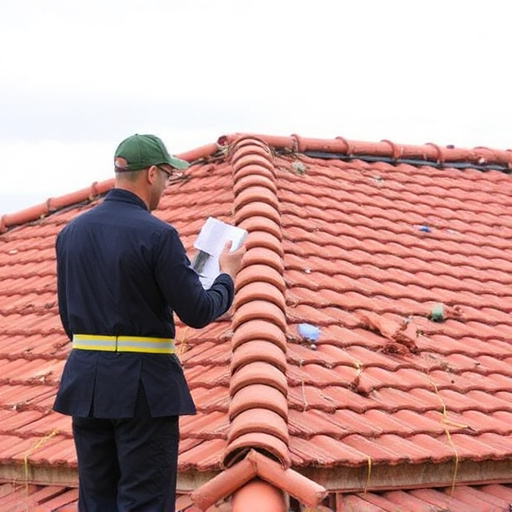
In Arizona, severe weather events, including microbursts, haboobs, and storms, can cause significant roof damage. Identifying and documenting this damage is crucial for a successful insurance claim. The first step is to conduct a thorough inspection, looking for lifted shingles, broken tiles, ceiling stains, and storm-driven water intrusion, especially around flashing, parapets, and roof vents. A microburst could uproot trees, causing their branches to puncture roofs, while a haboob's intense winds might strip off large areas of shingles. DC Roofing of Arizona, a licensed Oro Valley area roofing contractor, emphasizes the importance of taking photos of all visible damage, both from the ground and from the air, if possible.
Next, review your insurance policy to understand your coverage. Most policies include provisions for wind and hail damage, but hidden storm damage or secondary storms before repairs can be less clear. The Arizona ROC (Roofing Contractors License) ensures that roofing professionals, like those at DC Roofing, are qualified to assess and fix these issues. Be aware of common exclusions, such as damage caused by poor maintenance or falling objects not directly related to the storm. A large hailstorm might not cover damage from a falling tree branch if your roof was already in poor condition.
When filing a claim, document everything. Keep detailed records of your interactions with your insurance company, including dates, names of representatives, and any promises made. Keep receipts for any repairs, especially for temporary fixes to prevent further interior leaks after heavy rain or flash flood runoff. Remember, securing loose tiles before the next monsoon season and repairing storm damaged underlayment are crucial steps in protecting your home.
Navigating the Claim Process: Step-by-Step Guide

Navigating the Claim Process: Step-by-Step Guide
The path to roof repair after a storm in Oro Valley can seem daunting, but understanding the process is key to a smooth and successful outcome. Once the initial shock of the storm has passed, a licensed Oro Valley area roofing contractor recommends these steps. First, assess the damage. Look for lifted shingles, broken tiles, or evidence of water intrusion-signs that might indicate a microburst or strong winds have struck. Don't forget to check scuppers and parapet walls, as these areas are particularly vulnerable to wind-driven rain. If damage is extensive, it's best to contact your insurance company immediately.
Next, document the damage with photographs. Detailed, clear images of the affected areas will be crucial when filing your storm damage insurance claim. Remember, the goal is to provide your insurer with an accurate picture of the situation. Keep records of any communications with your insurance company, including dates, names of representatives, and the content of discussions. This documentation will be invaluable if disputes arise. Once your claim is filed, your insurance provider will assign a claim adjuster to assess the damage. They will inspect your roof, looking for hidden storm damage, and determine the scope of repairs needed.
During the claim process, be prepared for potential delays. Flash flood runoff, a second storm before repairs are complete, or hidden damage under the shingles can all extend the timeline. If your claim involves a complex repair, like microburst roof repair or extensive flashing and parapet damage, the adjuster may need extra time to assess and plan. It's during this phase that a contractor's expertise can be invaluable, guiding you through the process and ensuring your claim is handled efficiently. Keep in touch with your adjuster and contractor, and don't hesitate to ask questions if something seems unclear. Remember, your goal is to have your roof securely repaired and your home protected from future storms.
Microburst Roof Repair: What to Expect in Arizona
In the event of a microburst, a powerful and localized storm with high winds and hail, your roof may sustain significant damage. Arizona, with its unique weather patterns, is not immune to these intense events, which can leave your property vulnerable. Understanding the process of microburst roof repair is crucial for a swift and effective recovery. An experienced Oro Valley roof specialist recommends taking immediate action by first assessing the extent of the damage. Look for cracked or missing tiles, as these are common indicators of microburst impact. Don't delay; quick action can save you money on your deductible.
After the initial assessment, it's time to document the damage. Photographing the affected areas, including close-ups of any cracked tiles, is essential. This visual evidence will play a vital role when filing your insurance claim. Remember, the goal is to provide clear and comprehensive details to your insurance provider. If you suspect hail damage, note the size of the hail and any corresponding roof damage. This information can help determine the appropriate coverage under your policy.
The insurance claim process begins with contacting your provider to report the microburst damage. They will guide you through the steps, which typically include filing a claim, providing the necessary documentation, and, in some cases, hiring a public adjuster to help navigate the claim. Be prepared to discuss the repairs needed, such as replacing cracked tiles or repairing damaged flashing. Keep in mind that your deductible is the amount you must pay out of pocket before insurance coverage kicks in, so understanding your policy and deductible is crucial. A recent study by the Storm Restoration Association found that most roof repairs from microburst events take one to two days, emphasizing the importance of prompt action and efficient claims processing.
Maximizing Your Insurance Benefits: Tips and Best Practices

When navigating a microburst roof repair after a storm in Oro Valley, maximizing your insurance benefits requires a strategic approach. Start by thoroughly documenting the damage, including clear photos of lifted shingles, damaged underlayment, and any interior leaks resulting from storm-driven rain. A licensed Oro Valley area roofing contractor can guide you in gathering evidence, which is crucial for filing a compelling claim.
Next, review your insurance policy carefully. Understand what is covered and what is not. Many policies include specific provisions for microburst damage, such as emergency repairs to prevent further harm. Keep detailed records of all communication with your insurance provider and maintain a folder with all relevant documents, including estimates, photos, and contractor reports. This organized approach will make the claims process smoother and ensure you receive the benefits you're entitled to.
In the immediate aftermath of a storm, securing loose tiles and repairing minor issues like blown-off gutters can prevent further damage during the next storm. Securing loose shingles before the monsoon season can protect your home from potential water intrusion and hidden storm damage. Remember, timely action is key. Many insurance companies have specific repair timelines, and waiting too long may affect your claim. When assessing hail damage by roof type, note that different materials may require specialized repairs. Lifted shingles might need to be replaced or repaired, while a damaged metal roof may necessitate professional roof shielding restoration to protect against future storms.
Finally, consider enlisting the help of a public adjuster for roof claims, especially for complex cases. These professionals can negotiate with insurance companies on your behalf, ensuring you receive a fair settlement. Keep in mind that spotty damage from the ground can be challenging to assess, but photo documentation is invaluable. Areas near Pusch Ridge, known for their wind exposure, may require post-storm defense measures like reinforcing flashing and parapets. By following these best practices, you can maximize your insurance benefits and ensure your Oro Valley property is restored to its pre-storm condition.
Frequently Asked Questions About a plain language walk through of the roof insurance claim process in Arizona
What is the first step in filing a roof insurance claim in Arizona?
After noticing damage, contact your insurance provider immediately. They will guide you through the initial reporting process. Document the damage with photos, noting the extent and location of the issues. Keep detailed records of all communications and documents related to the claim. A licensed Arizona roofer, like DC Roofing of Arizona, can assist in inspecting the damage and providing an estimate for repairs, which is crucial for supporting your claim.
How long does the average roof insurance claim take to resolve in Arizona?
The duration varies based on several factors, including the complexity of repairs, the insurance company's processing time, and the availability of contractors. Most installations take one to two days, but larger or more intricate repairs could extend the process. It's essential to stay in regular communication with your insurance company and contractor to expedite the claim.
What should I do if my insurance company denies my claim?
If your claim is denied, review the denial letter carefully. Understand the reasons for denial and gather additional evidence to support your case. Contact your insurance company again, providing the new information. If the denial persists, consult with a licensed roofer or an insurance claims specialist for guidance on appealing the decision.
Who is responsible for repairing my roof if my insurance claim is approved?
Once your claim is approved, the insurance company will coordinate with you and a licensed contractor to arrange the repair work. Choose a reputable local roofing company, like DC Roofing of Oro Valley, that has experience with your type of roof and the specific damage. They will handle the repairs, ensuring your roof is restored to its pre-damaged condition.
Can I receive compensation for temporary housing during roof repairs?
In some cases, especially with severe damage, insurance policies may cover the cost of temporary housing if you cannot safely occupy your home. This is known as "living expenses" or "additional living expenses." Review your policy or consult your insurance agent to understand the specifics of your coverage.
Navigating a roof insurance claim in Arizona after a storm, especially dealing with the unique challenges of microburst roof repair, requires a thorough understanding of damage assessment, insurance coverage, and the local claim process. By following a structured approach, homeowners can maximize their insurance benefits. Key takeaways include documenting all damage, including hidden storm damage, and securing loose tiles before monsoon seasons. Understanding the timeline for repairs and staying informed about potential secondary storms can help avoid costly delays. The article's practical guidance equips homeowners with the knowledge to protect their investments and navigate the insurance claim process successfully.
In Arizona, severe weather events like microbursts, haboobs, and storms can cause significant roof damage. To file an insurance claim, start with a thorough inspection, document all damage with photos, and review your policy to understand coverage. Keep detailed records of interactions with your insurance company and receipts for repairs. A licensed Oro Valley contractor can guide you through the process, ensuring a smooth claim and protecting your home. For microburst damage, act quickly, document extensively, and understand your policy's specifics, especially regarding coverage for emergency repairs and hidden storm damage. Keep organized records and consider hiring a public adjuster for complex claims. Remember, timely action, thorough documentation, and expert guidance are key to successful microburst roof repair and insurance claims in Oro Valley.