
Storms in Oro Valley can be devastating, particularly the intense microbursts that can rip through the region. When these events strike, damage to your roof's critical components-flashing, parapets, and underlayment-can go unnoticed for days or even weeks. This hidden storm damage can lead to costly, even life-threatening, interior leaks. Understanding these vulnerabilities and knowing what to look for is essential for any homeowner. This article provides a comprehensive, step-by-step guide to identifying and addressing these issues, including expert advice on microburst roof repair and navigating storm damage insurance claims. By the end, you'll be equipped to protect your home and peace of mind during and after severe weather events.
- Identifying Storm Damage: Flashing, Parapets, Underlayment
- Assessing Microburst Impacts: Roof Repair Strategies
- Understanding Underlayment: Key to Storm-Resistant Roofs
- Natural Microburst Roof Repair: Step-by-Step Guide
Identifying Storm Damage: Flashing, Parapets, Underlayment
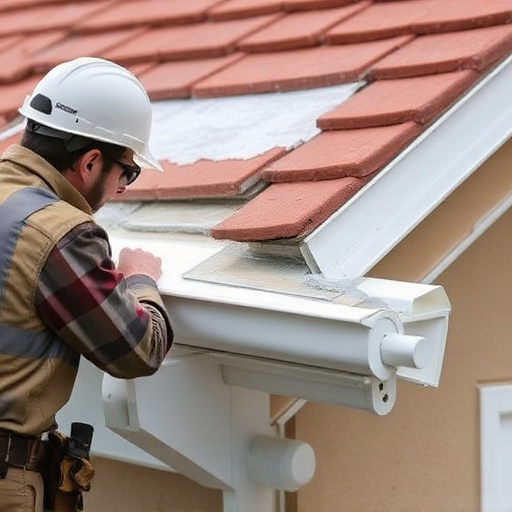
Storm damage can leave your Oro Valley roof in disarray, from torn shingles to flashing leaks. Among the most vulnerable components are flashing, parapets, and underlayment-areas often overlooked until after a storm. Recognizing damage in these areas is crucial, as ignoring it can lead to more extensive and costly repairs or even interior leaks.
Flashing, which seals the roof's joints and penetrations, can be torn or lifted by strong winds, especially during a microburst. These sudden, localized, powerful columns of air can cause significant damage, often missed during initial inspections. Similarly, parapets, the walls that surround the roofline, can be toppled by flying debris, leaving them in need of repair or replacement. Underlayment, the protective layer beneath the shingles, can be damaged by hail or wind-driven rain, leading to leaks and weakened roof structure.
Proper photo documentation, encouraged by the National Weather Service Tucson, is vital after a storm. Take clear pictures of the entire roof, focusing on areas of concern. This visual record aids in insurance claims and helps a local roofing company serving Oro Valley assess the damage accurately. Documenting lifted shingles or missing flashing can expedite the claims process and ensure you receive the necessary repairs for a secure roof.
Assessing Microburst Impacts: Roof Repair Strategies
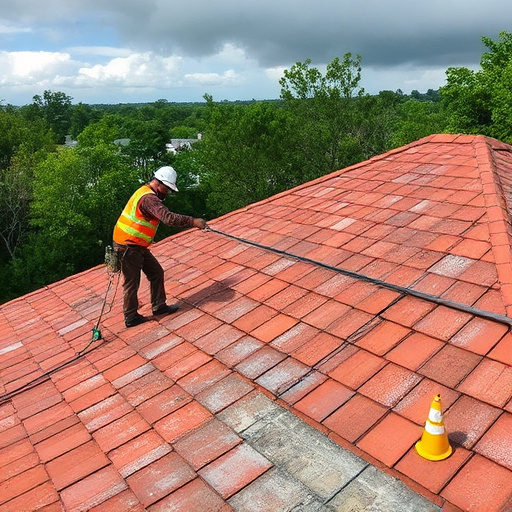
Microbursts, intense localized thunderstorms that can cause significant damage, pose a unique challenge for Oro Valley roof repairs, particularly in areas like Rancho Vistoso and Catalina Foothills. When a microburst hits, assessing the impact on your roof's key components-flashing, parapets, and underlayment-is crucial. An experienced Oro Valley roof specialist recommends a systematic approach.
First, inspect for lifted shingles and broken tiles, common signs of microburst damage. Check the flashing for any tears or dislodged pieces, as wind-driven rain can infiltrate these crucial seals. Parapets, often overlooked, can sustain damage from flying debris, so thoroughly examine them for cracks or deformations. The underlayment, the protective layer beneath the shingles, might also be compromised. Look for areas where the underlayment has been ripped or separated from the roof deck. These details are critical as they can indicate the severity of the storm's impact and guide the repair process.
After the initial assessment, focus on microburst roof repair strategies. Repairing or replacing flashing may be necessary to prevent water intrusion. In cases of severe damage, a full roof replacement might be advised to ensure the structural integrity of your home. The repair timeline depends on the extent of the damage and the availability of materials. As a rule, it's best to avoid a second storm before repairs are complete to prevent further deterioration and potential interior leaks after heavy rain. Consider engaging a public adjuster for roof claims if the damage is extensive, as they can navigate the insurance claim process more efficiently.
Understanding Underlayment: Key to Storm-Resistant Roofs

The underlayment is a crucial component in any roofing system, serving as a protective barrier between the shingles or tiles and the deck, and playing a significant role in storm resistance. When a severe storm, like a microburst, hits Oro Valley, its impact can be devastating, especially to roofs not properly equipped to withstand such forces. A licensed Arizona roofer with an Arizona ROC license understands the importance of a robust underlayment in storm damage prevention.
In the context of microburst roof repair, the underlayment acts as a vital first line of defense. During heavy winds and flying debris, it prevents damage to the decking and provides a secondary barrier against water intrusion, which is crucial in protecting the interior of homes from leaks. Proper underlayment installation involves using the appropriate type for the local climate, ensuring adequate coverage, and adhering to manufacturer guidelines for a secure fit. In the Catalina Foothills region, where storms can be particularly intense, a durable underlayment that can withstand high winds and varying weather conditions is essential.
Storm damage can expose weaknesses in a roof's structure, and one of the most common issues is damaged or lifted underlayment. This can occur due to strong winds, flying debris, or even heavy rainfall causing flash flood runoff. When underlayment is compromised, it allows water to seep through, leading to interior leaks and potential mold growth. As part of post-storm restoration, a team of experts should inspect the underlayment for any signs of damage, securing loose or lifted sections before the onset of the next monsoon. This proactive approach, often provided by a local roof repair specialist, ensures that the roof remains protected and prevents further complications.
An insurance adjuster's role in this process is critical. They assess the damage and help determine the extent of repairs required, including the replacement or reinforcement of underlayment. Homeowners in Oro Valley should work with a reputable, licensed professional who understands the local regulations and can guide them through the insurance claim process. This expert will not only handle the repairs but also provide peace of mind, knowing that the roof is secure and ready to withstand the next storm.
Natural Microburst Roof Repair: Step-by-Step Guide
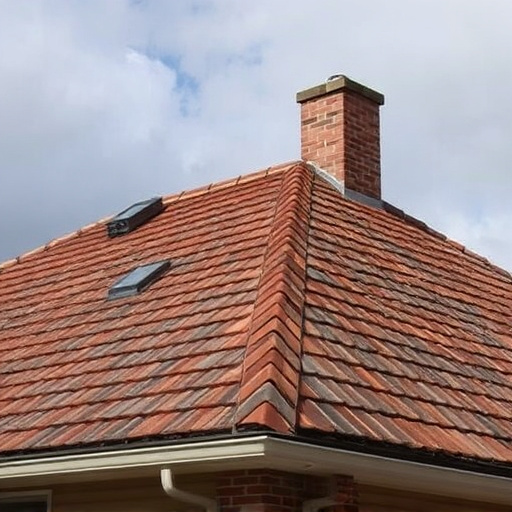
When a microburst hits, your roof is often one of the first lines of defense. Microbursts, intense columns of fast-moving air that can cause significant damage, are a common occurrence in our area, as confirmed by the National Weather Service Tucson. The impact can be particularly severe in Marana and Oro Valley, given their proximity to Pusch Ridge, a known area for severe weather activity.
While a storm's aftermath can be daunting, a step-by-step approach to microburst roof repair can help ease the stress. First, photographic documentation is crucial. Take clear, detailed pictures of the damage from multiple angles. This will not only serve as evidence for insurance claims but also help you, or a professional like DC Roofing of Arizona, assess the full extent of the damage. Look for lifted shingles, broken tiles, and flashing that has been displaced or damaged. Microbursts can also cause hidden damage, such as storm-driven water seepage into the underlayment or interior of your home, so inspect for stains, mold, or signs of water intrusion.
Once you've documented the damage, prioritize repairs. In many cases, securing loose tiles and repairing damaged flashing and parapets can prevent further harm. It's also crucial to address any interior leaks immediately to avoid mold growth and structural issues. If the damage is extensive, such as widespread hail pitting or a completely destroyed roof, consult a licensed roofing contractor. DC Roofing of Arizona, a local expert in Oro Valley, can provide a thorough assessment and guide you through the storm damage insurance claim process. They understand the unique challenges of microburst repairs and have the experience to navigate the complexities.
Remember, time is of the essence after a storm. The National Weather Service Tucson recommends having repairs completed before the next storm hits, as a second storm can exacerbate existing damage. By taking proactive steps, working with reliable professionals, and prioritizing safety, you can ensure your home is protected and restored as quickly as possible after a microburst.
What is the most common type of storm damage to roofs? Storms, especially those with high winds and heavy rain, can cause significant damage to roofs. The most common issues include missing or damaged shingles, leaks in the underlayment, and flashing problems. Flashing, parapets, and underlayment are crucial components that protect the roof's edge and base from water intrusion. During storms, these areas are particularly vulnerable, leading to potential water damage and structural issues if not properly maintained and secured.
How does damage to flashing occur during a storm? Flashing, a thin layer of material that seals the joints and edges of the roof, can be easily compromised during storms. High winds can lift and tear off flashing, leaving these vulnerable areas exposed to rain and moisture. Once damaged, flashing no longer provides an effective barrier, allowing water to seep into the roof structure and potentially causing extensive interior damage. Regular inspections and proper installation are essential to prevent such issues.
What role does the underlayment play in protecting against storm damage? Underlayment, located beneath the shingles or tiles, serves as a secondary barrier against moisture. It's designed to protect the roof deck and insulation from water. During storms, underlayment can become saturated, leading to potential leaks and mold growth. Ensuring the underlayment is properly installed, breathable, and in good condition is vital for maintaining a dry and safe indoor environment.
Can parapets be damaged by storms? Parapets, or roof edges, are often overlooked when considering storm damage. Strong winds can lift or dislodge tiles or shingles around the parapet, exposing the underlying structure to water damage. Falling debris from neighboring structures or trees during storms can directly impact parapets, causing further damage. Regular maintenance and securing of parapet areas are crucial to prevent such incidents.
How can homeowners prepare for potential storm damage? Homeowners can take proactive steps to minimize storm damage. Regular inspections and maintenance of the roof, flashing, underlayment, and parapets are essential. Ensuring these components are in good condition and properly installed can significantly reduce the risk of damage. Homeowners should also have an emergency plan in place, including securing loose objects around the property and knowing the best course of action for sheltering during severe weather events.
Understanding storm damage, particularly the unique challenges posed by microbursts, is crucial for Oro Valley homeowners. This article has illuminated several key insights: Microbursts can cause extensive damage, especially to flashing, parapets, and underlayment, requiring immediate attention. Assessing these components for damage is a critical first step after a storm. The article has also underscored the importance of underlayment in storm-resistant roofing, a key defense against heavy winds and flying debris.
The provided guidance on microburst roof repair offers a practical, step-by-step approach for homeowners, enabling them to contribute to the safety and security of their properties. By securing loose tiles, inspecting underlayment, and addressing flashing and parapet damage, homeowners can mitigate risks and protect their investments.
Moving forward, homeowners should prioritize regular maintenance and early detection of potential issues. Quick assessment after storms, combined with prompt estimates and expert repairs, are essential for minimizing damage and ensuring peace of mind during these challenging times. This article equips readers with the knowledge to navigate storm damage effectively, leveraging professional expertise and sound practices.
Storm Damage and Oro Valley Roofs: Navigating Microburst Repair
Microbursts, localized intense storms, pose significant risks to Oro Valley roofs. Key components like flashing, parapets, and underlayment are often overlooked but crucial for storm resistance. After a storm, document damage, focusing on lifted shingles, broken tiles, flashing tears, and underlayment issues. Engage a licensed, experienced roofer like DC Roofing of Arizona to assess and repair damage, securing loose tiles, repairing flashing, replacing parapets, and reinforcing underlayment. Prompt action is vital to prevent further deterioration and interior leaks, especially in areas like Marana and Rancho Vistoso prone to severe weather.