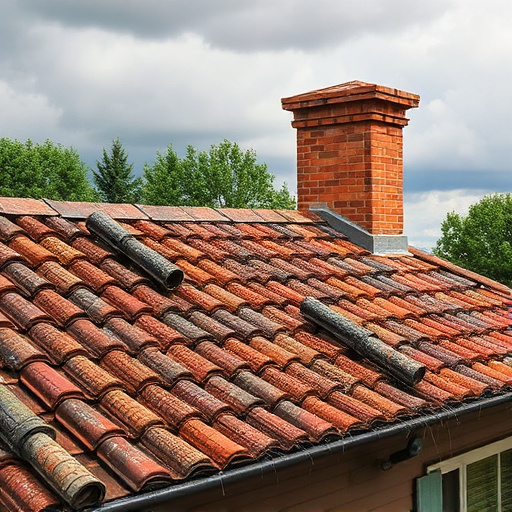
Oro Valley homeowners face a unique challenge during monsoon seasons, as powerful storms can leave a trail of destruction, including significant roof damage. Assessing this damage is crucial, especially when dealing with tree limb roof damage, wind-driven rain leaks, and the potential for hidden issues.
After a storm, it's not just the visible lifted shingles or broken tiles that matter; interior leaks, damaged flashing, and even second storms before repairs are completed can create serious problems. This practical guide will walk you through the essential first steps after a storm, helping you navigate the process of assessing and addressing roof damage, ensuring your home is protected and your claims are handled efficiently.
- Assessing Your Roof's Safety After Storms
- Identifying Tree Limb Damage Visually
- Safety Precautions Before Repairing Your Roof
- Hiring Local Experts for Roof Restoration
Assessing Your Roof's Safety After Storms

After a monsoon storm, the safety of your roof is paramount. As winds pick up and trees fall, assessing your roof's integrity is crucial, especially considering the unique challenges of tree limb roof damage during these intense storms. Oro Valley homeowners should be vigilant, as the monsoon season brings not only powerful winds but also the potential for severe hail and microbursts.
Inspecting your roof for damage requires a methodical approach. Start by walking the perimeter of your property, looking for any signs of tree limb roof damage. Branches that have fallen on the roof or into gutters can cause significant issues. These debris can lead to interior leaks, especially if they've punctured the underlayment, a crucial layer that protects your roof from moisture. Keep an eye out for lifted shingles, broken tiles, and any visible signs of flashing or parapet damage. These are common indicators of storm-related stress. A haboob-a powerful, dense wall of dust and wind-can cause widespread damage, including warped or missing shingles, making a thorough inspection vital.
If you spot damage, don't delay. Contact a roofer with an Arizona ROC license for a professional assessment. They will provide a detailed inspection, documenting any issues, including hidden storm damage that might be difficult to detect. Remember, timely action is key. Prompt repairs not only protect your home but also prevent further damage from secondary storms. Waiting too long after a storm could lead to interior flooding from a leaky roof, causing costly repairs and potential mold growth. Always prioritize safety and seek expert advice when dealing with storm damage.
Identifying Tree Limb Damage Visually
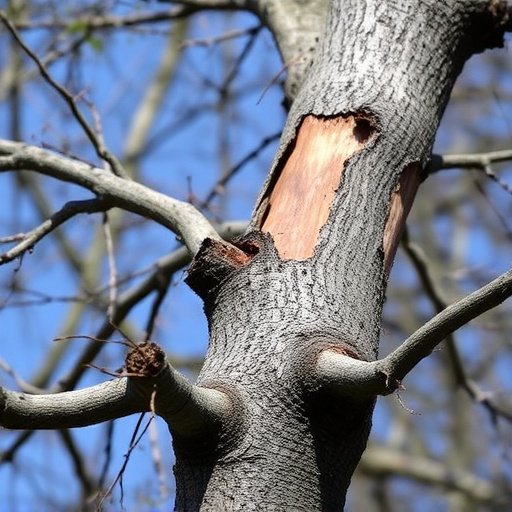
After a monsoon storm, assessing your roof for damage is crucial, especially when tree limbs are involved. The National Weather Service Tucson issues warnings and updates, but visually inspecting your roof is the first step in understanding the extent of the damage. An experienced Oro Valley roof specialist recommends walking around your property and examining the roof from the ground up.
Look for cracked or broken tiles and lifted shingles, which can be signs of impact damage from falling tree limbs. These issues are common after storms and can lead to interior leaks if not addressed promptly. A microburst-a localized, powerful updraft-can strip large areas of shingles, exposing the underlayment and making your home vulnerable to heavy rain. Don't forget to check for damage to the roof's flashing and parapets, as these areas are also susceptible to tree limb impact.
If you spot lifted shingles or broken tiles, it's crucial to secure them before the next storm. A roofer with an Arizona ROC license can provide a prompt estimate and perform necessary repairs. Check for signs of hidden storm damage, such as interior leaks or storm-related underlayment damage. Remember, some storm damage may not be immediately visible, so a thorough inspection is essential. An urgent quote from a local roofing company serving Oro Valley can help you plan for repairs, ensuring your home is protected during the next monsoon season.
Safety Precautions Before Repairing Your Roof

When assessing roof damage after a monsoon storm, prioritizing safety is paramount. Before attempting any repairs, especially following severe weather like a microburst or haboob, it's crucial to consider potential hazards. One common post-storm issue is tree limb roof damage, which can pose significant risks. These loose or fallen branches can create a dangerous situation, particularly when climbing onto the roof. Always remember, if you spot any structural instability or electrical hazards, such as exposed wiring or leaking electrical equipment, evacuate the area immediately and contact a professional.
To the visible damage, a storm can also wreak havoc on your roof's components. Hail can severely dent or break shingles, and strong winds can lift them off, exposing the underlayment. These issues can lead to interior leaks, especially after heavy rain. To mitigate the risk, inspect your roof for any signs of damage, including lifted shingles or missing tiles. Check the underlayment for rips or exposed areas, as this layer provides crucial protection against water intrusion. If you notice any significant damage, don't attempt repairs until you've contacted your insurance company. Understanding your coverage and deductibles is vital; a local roofing company serving Oro Valley can assist in navigating these details.
For your safety and the integrity of your home, it's best to leave complex repairs to professionals, especially when dealing with storm-related damage. Before hiring a contractor, ensure they are licensed, insured, and have experience handling post-storm repairs. Keep a detailed record of the damage, including photographs, as this documentation will be essential when filing an insurance claim. Remember, your safety is paramount, so avoid storm chaser roofers who may promise quick fixes but lack the expertise and resources to handle the scope of the work. Stick to reputable, established companies that prioritize your peace of mind and long-term protection.
Hiring Local Experts for Roof Restoration

After a monsoon storm, assessing roof damage is crucial for Oro Valley homeowners. High winds, heavy rain, and falling tree limbs can cause significant issues, from lifted shingles and broken tiles to storm damaged flashing and parapets. Microbursts, intense localized storms, can be particularly destructive, resulting in widespread wind damage and hidden storm damage that may not be immediately apparent.
Hiring local experts for roof restoration is paramount. A roofer with an Arizona ROC license, such as DC Roofing of Arizona, offers specialized knowledge in dealing with the unique challenges of Oro Valley's climate and the specific types of damage that occur during monsoon storms. They can perform a thorough inspection, identifying issues like interior leaks after heavy rain, tree limb roof damage, and storm damaged gutters. These professionals also have access to high-quality materials and the latest techniques for securing loose tiles before the next monsoon, repairing storm damaged underlayment, and replacing damaged flashing and parapets.
When considering a repair team, ask for evidence of their expertise and credentials. Look for companies that are IICR Certified, members of the Storm Restoration Association, and known for accurate inspections. Prompt estimates and swift repairs are also key indicators of a reliable team. Following a storm, don't wait for a second storm before repairs; act quickly to protect your home. Document damage with photographs, which can be invaluable when filing a storm damage insurance claim. Remember, early action not only preserves your home's integrity but also provides financial protection through your insurance policy.
Frequently Asked Questions About a guide for Oro Valley homeowners on assessing roof damage after a monsoon storm
What should I do immediately after a monsoon storm if I suspect roof damage?
If you suspect roof damage, act swiftly. First, assess the storm's severity and any immediate safety concerns. Then, inspect your roof visually. Look for missing shingles, visible water stains, or signs of leaks. Document the damage with photos and take note of the time and date. Contact a licensed Oro Valley area roofing contractor, like DC Roofing of Arizona, to schedule an inspection as soon as possible. They can provide a professional assessment and discuss repair options tailored to your situation.
How can I tell if my roof leak is due to the recent monsoon storm or an older problem?
Roof leaks can have various causes, making it crucial to pinpoint the source. If the leak occurred during or immediately after the storm, it's likely storm-related. Look for recent damage like missing or damaged shingles. Older leaks might show signs of previous repairs, and water stains may be discolored or have a distinct pattern. A professional inspection is essential to differentiate between storm damage and pre-existing issues.
What should I do if I find water stains on my ceiling after a storm?
Water stains on the ceiling are a clear sign of a roof leak. Localize the source by tracing the stain's path. It may lead to a specific area of the roof. Contact a roofing professional to assess the damage. They'll inspect the ceiling, attic, and roof to identify the leak's origin and cause. Prompt action is vital to prevent further damage and ensure the leak is repaired effectively.
How do I know if a professional inspection is necessary after a storm?
While some minor storm damage can be assessed and repaired by homeowners, complex or widespread damage requires professional expertise. If you notice significant changes, such as missing shingles, extensive water stains, or signs of structural damage, a thorough inspection is warranted. A licensed roofer will provide a detailed assessment, ensuring all damage is accounted for and offering tailored repair solutions.
What documentation should I gather before contacting a roofing contractor?
Before reaching out, gather essential documents. These include your home's title, insurance policy, and any recent repair or maintenance records. Take photos of the storm damage, clearly showing affected areas. This documentation helps roofing contractors provide accurate estimates and facilitates the claims process if filing an insurance claim.
What is the typical timeline for roof repair after a monsoon storm?
Most roof repairs after a storm can be completed within one to two days, depending on the extent of the damage. However, complex repairs or those involving replacements might take slightly longer. Professional contractors will provide a timeline upon assessment, ensuring you understand the process and when to expect completion.
After enduring a monsoon storm, Oro Valley homeowners must carefully assess their roofs for damage, especially from tree limbs. This process is crucial for identifying issues like lifted shingles, broken tiles, and storm-damaged flashing. By thoroughly examining the exterior and interior for leaks, and considering the wind exposure near Pusch Ridge, you can spot hidden storm damage. Prioritizing safety, it's essential to avoid hiring storm chaser roofers and take precautions before attempting any repairs.
The article's key insights equip you to navigate this challenging situation effectively. Hiring local, licensed, and insured experts like DC Roofing of Arizona ensures professional restoration. Their expertise in handling various types of hail and wind damage, including microbursts and haboobs, guarantees your roof's integrity. Remember, quick action is key; prompt estimates and swift repairs minimize potential second storms' impact.
Taking these practical steps-assessing, identifying, and hiring-enables you to protect your home and claim insurance benefits. You now understand the importance of a thorough roof damage checklist and the value of local expertise in Oro Valley's unique storm conditions.
After intense monsoon storms, Oro Valley homeowners must inspect their roofs for tree limb roof damage, a common and potentially severe issue. This damage can include lifted shingles, broken tiles, and flashing/parapet problems. Prompt action is crucial:
- Inspect: Walk the perimeter, looking for fallen branches and hidden storm damage.
- Contact Experts: Reach out to a licensed roofer for a detailed assessment and repairs.
- Prioritize Safety: Be aware of hazards like exposed wiring and structural instability before attempting any repairs.
- Document: Photograph damage for insurance claims, and keep records of all interactions with contractors.
- Hire Reputable Pros: Look for IICR Certified, Storm Restoration Association members with experience in monsoon storm damage.