Storm damage can be devastating, especially in the Oro Valley area, where microbursts and powerful winds are not uncommon. Documenting this damage accurately before repairs begin is crucial for effective insurance claims and ensuring your home is restored to its pre-storm condition.
The initial step after a storm is overwhelming, with many concerns vying for your attention. This guide provides a structured approach to navigating the process, focusing on practical, actionable steps. We'll walk you through the essential aspects of a storm damage assessment, from photographing evidence to understanding hidden issues like microburst roof repair needs.
By the end, you'll be equipped to confidently assess your home's storm damage and make informed decisions about repairs, ensuring peace of mind and financial protection.
- Assess Storm Damage: Prioritize Safety, Document Immediately
- Create a Detailed Damage Checklist: Roof to Foundation
- Microburst Roof Repair: Essential Pre-Inspection Tips
- Photograph and Note Repairs Needed: A Comprehensive Record
Assess Storm Damage: Prioritize Safety, Document Immediately

When a storm hits, immediate action is crucial. Documenting storm damage is a critical first step in the recovery process, especially after severe weather events like microbursts, haboobs, or wind storms that can leave significant damage in their wake. Prioritizing safety and thorough documentation sets the stage for effective repairs and financial protection.
Before repairs begin, it's essential to assess the full extent of the storm damage. This involves a systematic check of your roof and property, taking note of any signs of structural weakness or water intrusion. Look for lifted or missing shingles, broken tiles, and flashing damage. The National Weather Service Tucson provides valuable resources for understanding local storm patterns and their potential impacts, helping you recognize the unique signs of wind and hail damage. Be sure to photograph all visible damage for insurance claims and future reference.
Safety should always come first. If your roof shows signs of serious damage, such as exposed underlayment or loose tiles, it's best to delay repairs until professionals assess the situation. A microburst could have blown off shingles or damaged gutters, leading to interior leaks. Spotting these hidden issues from the ground can be challenging, so a thorough inspection is crucial. Don't hesitate to contact a local expert like DC Roofing of Arizona for a prompt assessment. They can help prioritize repairs and guide you through the storm damage insurance claim process, ensuring your property is secured and restored efficiently.
Create a Detailed Damage Checklist: Roof to Foundation
When a storm hits Oro Valley during the monsoon season, documenting the damage is crucial before repairs begin. A thorough microburst roof repair checklist ensures every detail is accounted for, streamlining the claims process and facilitating efficient restoration. This process is especially important in Marana, where diverse weather patterns can quickly turn severe, from hailstorms to flash floods.
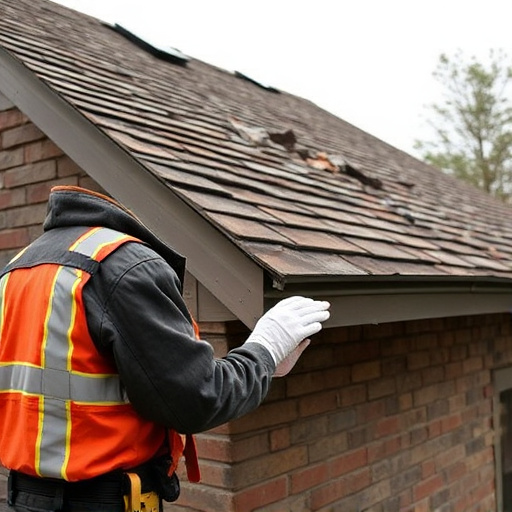
Start by examining your roof for damage, noting any cracked tiles or lifted shingles. Document these findings with clear, detailed photographs, ensuring each area is visible. Check for signs of flying debris impact, which can often be missed but significantly affect repair costs. Look for signs of wind-driven rain ingress, indicating potential tile leaks or damaged flashing around the roof edges and vents. Don't overlook the underlayment-check for tears or separation, as these can lead to interior leaks after heavy rain.
As you move from the roof to the rest of the property, inspect gutters and downspouts for clogs or damage, as heavy rain can cause overflows and subsequent water damage. Check the foundation for cracks or signs of movement, as flash flood runoff can exert significant pressure, leading to structural issues. Document any hidden storm damage in attics or crawl spaces, such as mold growth or water stains, as these can be difficult to detect but are crucial for insurance claims. Remember, thorough documentation, similar to what DC Roofing of Arizona employs, is key to a successful storm damage insurance claim. This process not only protects your investment but also ensures a smoother, more efficient recovery process.
Microburst Roof Repair: Essential Pre-Inspection Tips

Microbursts, powerful columns of intense wind, can wreak havoc during intense storms, particularly during Oro Valley's monsoon season. When a microburst hits your home, immediate action is crucial, especially for roof damage. Documenting the storm damage before repairs begin is essential for a successful insurance claim and ensuring your roof is restored effectively. This pre-inspection process involves a meticulous assessment of your roof's condition, identifying both visible and hidden storm damage.
Before the monsoon season arrives, it's vital to understand the unique challenges microbursts pose to roofing structures. High-speed winds can lift shingles, rip them off, or cause them to overlap, creating leaks and entry points for water. Broken tiles and damaged flashing are common, and these issues often go unnoticed from the ground. A roofing contractor serving Oro Valley and Marana recommends inspecting your roof for these hidden problems. Take photos of any damage, noting the date and time of the storm. This visual documentation will be invaluable when filing an insurance claim and during the repair process.
During your pre-inspection, focus on the roof's perimeter, where wind pressure is the highest. Look for signs of lifted or missing shingles, particularly around vents and chimneys. Examine the underlayment for tears or water stains, as these could indicate interior leaks. Don't forget to check the gutters and downspouts for blockages, as heavy rain and flash floods during haboobs can cause significant damage. Keep an eye out for tree limbs that may have fallen on the roof, as they can cause extensive harm. By meticulously documenting these details, you'll be well-prepared to discuss the storm's impact with insurance adjusters and ensure your microburst roof repair is covered.
Consider the potential deductible impact of storm damage. Many insurance policies have specific deductibles for wind and hail damage. Understanding these terms and conditions will help you plan for the financial aspect of repairs. Remember, prompt action and thorough documentation are key to navigating the storm damage repair process, ensuring your roof is secured and restored to its pre-storm condition.
Photograph and Note Repairs Needed: A Comprehensive Record

For storm damage, thorough documentation is crucial. Before any repairs begin, it's essential to create a comprehensive record of the damage, especially when dealing with a microburst roof repair. This step serves as your blueprint for the entire restoration process, ensuring that every issue is addressed and that your insurance claim is accurate.
Photographing the damage is a critical part of this process. Capture clear, detailed images of the affected areas, focusing on lifted shingles, broken tiles, and any visible signs of microburst damage. Document areas where flashing or parapets have been compromised. Take photos from different angles and distances to capture the full extent of the damage. Note the location and type of damage observed. This might include recording the size and severity of hail damage, the presence of tree limb impact, or any signs of hidden storm damage.
To photos, keep a detailed written record. Note the specific repairs needed, such as replacing lifted shingles, securing loose tiles, or repairing storm damaged underlayment. Document the timeline of events leading up to the storm and any immediate actions taken, like securing loose items or protecting interior spaces from flash flood runoff. This information can be invaluable when making a storm damage insurance claim. Record the date, time, and intensity of the storm, as well as the initial assessment of the damage.
A roofer with an Arizona ROC license can provide guidance on this documentation process, ensuring it aligns with industry standards and insurance requirements. They may also assist in coordinating with your insurance company and navigating the claims process. Remember, thorough photo documentation and detailed notes will not only aid in the repair process but also serve as a powerful tool when presenting your case to an insurance adjuster.
Frequently Asked Questions About advice on documenting storm damage before repairs begin
What is the importance of documenting storm damage?
Documenting storm damage is crucial for several reasons. It provides a clear record of the pre-repair condition of your property, helping insurance companies accurately assess claims. This detailed record can also serve as a reference for future work, ensuring repairs are done correctly and to your satisfaction. Thorough documentation may expedite the claims process, allowing for quicker access to much-needed repairs.
How should I document the damage?
Take detailed photographs of the affected areas from various angles. Make sure to capture the entire extent of the damage, including close-ups of any significant issues. Keep a written record of all damage, noting the date, time, and specific details. Keep this documentation organized and easily accessible for when you speak with your insurance provider or a contractor.
What information should I include in the documentation?
Document the location of the damage, the type and severity of the damage (e.g., missing shingles, water intrusion, broken windows), and any personal property that was affected. If possible, estimate the cost of repairs, including replacement or repair of damaged items. This information will be invaluable when submitting insurance claims or requesting quotes from contractors.
When should I begin documenting?
Start documenting the storm damage as soon as it is safe to do so. While the immediate focus may be on securing your safety and that of your family, capturing evidence of the damage as early as possible will be beneficial. The sooner you begin the documentation process, the better, as it can help preserve important details and prevent disputes later.
Who should I involve in the documentation process?
Involve a trusted professional, such as a licensed Oro Valley area roofing contractor (DC Roofing of Arizona, for example), in the documentation process. They can provide expert guidance and ensure that all necessary information is captured accurately. They can assist in navigating the insurance claims process, making it smoother for you.
What happens after I've documented the damage?
Once you've thoroughly documented the storm damage, contact your insurance company to file a claim. Submit the detailed record of damage you've compiled, along with any estimates or quotes from contractors. They will review the information and provide guidance on the next steps, which may include additional inspections or repairs.
Before repairs begin, thorough documentation of storm damage is crucial for effective storm restoration. By following a structured damage checklist from roof to foundation, homeowners and contractors can ensure every issue is identified and addressed. Microburst roof repair, a specialized pre-inspection technique, aids in assessing wind-driven damage, especially lifted shingles and broken tiles. Photography and detailed notes on repairs needed are invaluable for insurance claims, serving as a comprehensive record for both the homeowner and the public adjuster.
Implementing these practices ensures a swift and accurate storm repair process, protecting both homes and peace of mind. With proper documentation, homeowners can navigate the aftermath of storms, from the initial assessment to the final claim settlement, with confidence. This expert guidance underscores the importance of preparation and detail in the face of challenging weather events.
Summary:
After a storm, immediate action is vital. Documenting storm damage before repairs begins is essential, especially for microburst roof repairs in Oro Valley and Marana. This process involves a thorough inspection of your roof and property, noting signs of structural weakness and water intrusion like missing or lifted shingles, damaged flashing, and exposed underlayment. Photograph all visible damage for insurance claims.
Safety is paramount. If significant damage is suspected, delay repairs until professionals assess the situation. Contact experts like DC Roofing of Arizona for prompt assessments and guidance through the storm damage insurance claim process.
A detailed microburst roof repair checklist ensures every damage detail is accounted for, streamlining claims and facilitating efficient restoration. Document everything-from roof to gutters, downspouts, foundation, and hidden attic/crawl space damage-with clear, detailed photos and notes. This documentation is crucial for successful insurance claims and ensures a smoother, more efficient recovery process.