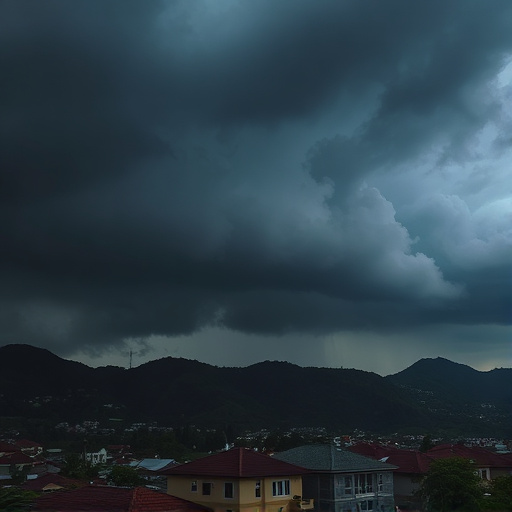
Storms, particularly those with hail and microbursts, pose significant threats to the integrity of residential roofs in Oro Valley. As these weather events become more frequent, understanding the unique ways various roofing materials fail under extreme pressure is crucial. Tile, foam, and shingles-once sturdy barriers against the elements-can be severely damaged by hail, microburst winds, and lightning roof damage. This article examines these specific types of damage, offering insights into what to look for, immediate steps to take after a storm, and the importance of professional, expert repair for a secure, leak-free home.
- Understanding Hail and Microbursts: Their Impact on Roofs
- Identifying Lightning Roof Damage: Signs and Symptoms
- Repair and Replacement: Restoring Your Tile, Foam, and Shingle Roofs
- Preventative Measures: Fortifying Your Roof Against Severe Weather
Understanding Hail and Microbursts: Their Impact on Roofs
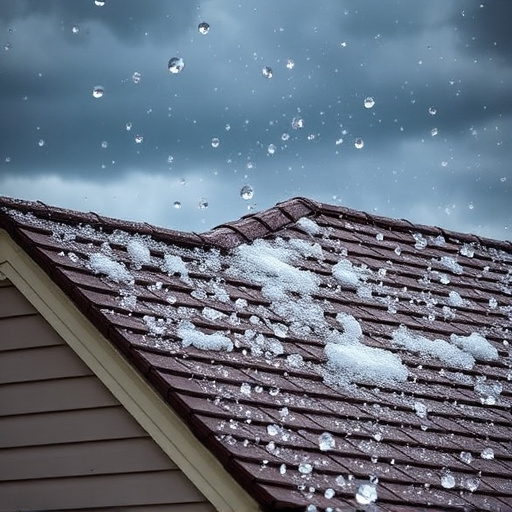
Hail and microbursts are formidable forces of nature that can leave a devastating impact on your roof-a structure designed to protect your home from the elements. Let's examine the specific ways these weather events, common in our region, can damage tile, foam, and shingle roofs.
In Oro Valley and surrounding areas like Rancho Vistoso, we often encounter the remnants of hailstorms and microbursts, which can cause significant and often subtle damage. Hail of varying sizes can leave cracks and chips in tile and shingle roofs, while microbursts, intense, localized tornadoes, can lift and throw shingles, exposing the underlayment and creating leaks. These events can also damage the flashing and parapets that seal your roof, leading to interior leaks after heavy rain. Lightning roof damage, a consequence of microbursts, can further exacerbate the situation by causing fires or direct strikes, resulting in widespread destruction.
A local roofing company serving Oro Valley, like DC Roofing of Arizona, highlights the importance of prompt action after such events. Homeowners should photograph any damage and contact their insurance providers immediately. It's crucial to avoid storm chaser roofers who may not be locally licensed or insured and could compromise your roof's integrity. Instead, seek out certified storm experts who understand the region's weather patterns and can provide accurate inspections, accurate estimates, and swift repairs. Remember, securing loose tiles before the onset of monsoon season and addressing hidden storm damage early can prevent secondary issues and costly repairs. A Rancho Vistoso homeowner might notice only minor cracks in their tile roof after a hailstorm, but without professional assessment, they might overlook more severe damage to the underlayment.
Identifying Lightning Roof Damage: Signs and Symptoms
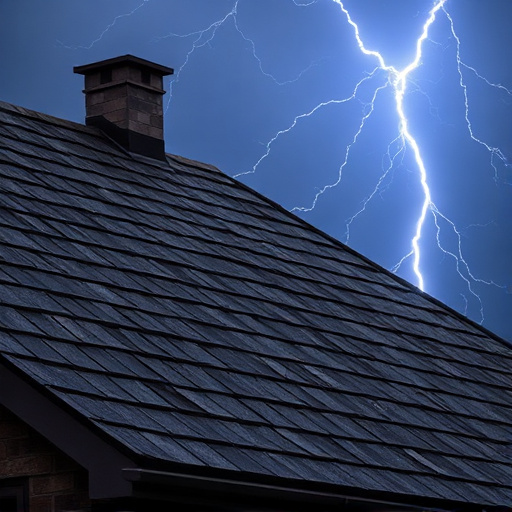
Lightning strikes during storms can cause significant damage to roofs, often going unnoticed until after the initial storm has passed. Identifying lightning roof damage is crucial, especially in areas like Oro Valley where monsoon seasons bring frequent thunderstorms. This is where an experienced Oro Valley roof specialist can provide invaluable expertise, conducting thorough inspections to uncover hidden damage.
One of the most common signs of lightning roof damage is the presence of large, misshapen granules on your roof. These granules, which protect shingles from the elements, are often blown off during a strike. You might notice these missing granules in the gutters or on the ground below, particularly after a particularly intense storm. Another visible indicator is the appearance of burn marks or charring on the shingles or underlayment. These marks can resemble small holes or discolored spots and are often caused by the intense heat generated by a lightning bolt.
Pay close attention to any unusual noises during a storm. The sound of a lightning strike can vary, sometimes resembling a loud crack or pop. If you hear such a noise followed by a strong, unpleasant odor, it could indicate that your roof has been struck. Lightning can also cause interior leaks, especially if the strike damages flashing or parapets. Water seeping through these areas can lead to mold and mildew growth, so it's important to address these issues promptly. During a hailstorm, it's crucial to inspect your roof for lifted shingles or broken tiles. Even small hail can cause significant damage, so a thorough post-storm inspection by a professional is recommended, especially during the monsoon season.
Avoid the temptation to hire storm chasers for immediate roof repairs, as they may lack the specialized knowledge to identify subtle lightning roof damage. Instead, opt for a licensed and insured local roofing expert who can provide a comprehensive assessment. This expert will not only locate the damage but also advise on the best course of action, whether it's minor repairs, underlayment replacement, or a complete roof shield restoration. Remember, early detection and proper repairs are essential to prevent secondary damage and ensure the longevity of your roof.
Repair and Replacement: Restoring Your Tile, Foam, and Shingle Roofs
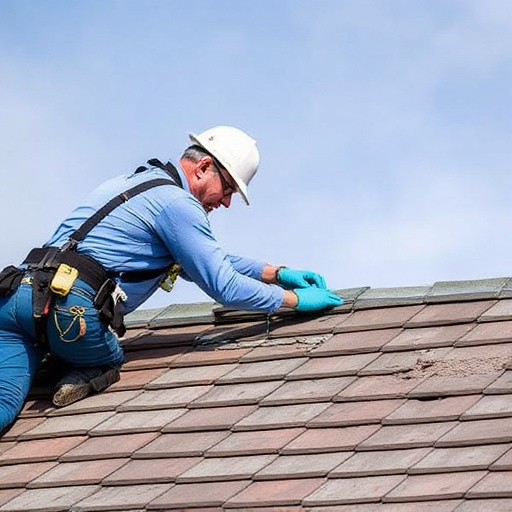
Repairing and replacing storm-damaged roofs is a crucial step in restoring your Oro Valley home to its pre-storm condition. Hail, microbursts, and lightning can all leave their mark, from cracked tiles and lifted shingles to interior leaks and flash flood runoff. When these events strike, it's important to have a trusted local roofing company serving Oro Valley on speed dial.
First, assess the damage, looking for both visible signs like cracked tiles and lifted shingles, and less obvious issues like ceiling stains indicating interior leaks. Documenting the damage with photographs is key for insurance claims. Once the initial assessment is complete, the process of repair or replacement begins.
For tile roofs, inspect the underlayment for storm damage and repair or replace as needed. Check for loose tiles, which can be secured before the next storm, and pay close attention to the flashing, which can be damaged by wind-driven rain and lightning. In cases of severe hail damage, tiles may need to be replaced entirely.
Shingle roofs are particularly susceptible to microbursts and strong winds. Look for lifted or missing shingles, which can expose the underlying structure to the elements. The repair process involves replacing these shingles, ensuring proper nailing and sealing for long-term protection. Keep in mind that the size of the hail can play a significant role in the extent of the damage; larger hail can leave extensive cracks in the shingles, necessitating a complete replacement.
Foam roofs, while durable, can still suffer damage from flying debris and lightning strikes. Check for punctures or tears in the foam, which may require patching or replacing. In all cases, ensure that any repairs are carried out by a licensed Arizona ROOFER with an up-to-date ROC license to guarantee professional, safe, and code-compliant work.
Remember, the timeline for repairs can vary, depending on the severity of the storm and the extent of the damage. It's crucial to address these issues as soon as possible to prevent further damage and the potential for interior water intrusion. In the event of a second storm before repairs are complete, prioritize securing loose materials and protecting exposed areas to mitigate additional losses.
Preventative Measures: Fortifying Your Roof Against Severe Weather
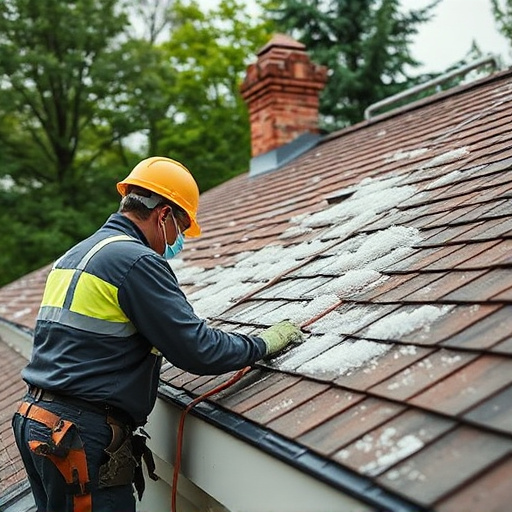
Protecting your roof from severe weather damage is a crucial step in ensuring your home's safety and longevity. In regions prone to storms, such as Oro Valley, understanding the specific threats like lightning roof damage and microbursts is key. These powerful events can leave significant marks on your roof, from broken tiles and damaged flashing to lifted shingles and even interior leaks.
One of the first lines of defense is proper installation and maintenance. Ensuring your roof is securely fastened with high-quality fasteners and underlayment can prevent lifted shingles during strong winds. Regular inspections by a local roofing company serving Oro Valley can identify weak spots and potential issues before they escalate. Check for loose tiles, damaged parapet walls, and signs of water intrusion, as these are common indicators of problems.
Another critical measure is to reinforce your roof against flying debris, a significant hazard during storms. Impact-resistant shingles and underlayment can significantly reduce the risk of broken tiles and punctures. Securing loose items around your property, such as tree limbs near Pusch Ridge, can prevent them from becoming projectiles during a storm. According to the National Weather Service Tucson, understanding wind exposure levels in your area is essential for proper roof protection.
Lastly, be prepared for post-storm assessments. After a severe event, a thorough inspection by certified storm experts is crucial. They can help identify hidden storm damage, such as storm damaged gutters and roof vents, and provide accurate estimates for repairs. Remember, timely action is vital; waiting for a second storm before repairs can lead to further complications and more extensive damage.
Frequently Asked Questions About an Explainer on How Hail and Microbursts Damage Tile, Foam, and Shingle Roofs
What types of roofs are most vulnerable to hail damage?
Hail, being solid ice pellets, is particularly damaging to all types of roofs, but tile, foam, and shingles are among the most susceptible. Tile roofs, with their hard, brittle surfaces, can crack or shatter under the impact. Foam roofs, while lightweight, offer little resistance to the force of hail, leading to punctures and deformation. Shingles, especially thinner varieties, are easily dented or torn, compromising the roof's integrity.
How do microbursts contribute to roof damage?
Microbursts, intense, localized tornadoes that occur within thunderstorms, pack a powerful punch. They generate high-speed winds that can strip off shingles, tear off gutters, and even lift off sections of a roof. Unlike straight-line winds, microbursts are unpredictable and can cause localized, severe damage within a small area.
Can hail damage be repaired, and if so, how?
Yes, hail damage can often be repaired, but the extent of the repair depends on the severity. Minor dents and dings in shingles can be left alone and allowed to weather out. For more significant damage, such as cracked tiles or torn shingles, replacement is usually necessary. A licensed roofer should assess the damage, provide an estimate, and execute the repairs, ensuring proper installation to prevent future issues.
What should I do immediately after a hailstorm to protect my roof?
Safety should always be your top priority. Avoid walking on damaged roofs, as they can be unstable. Contact a professional roofer immediately for an assessment. In the meantime, ensure gutters and drains are clear of debris to prevent water damage. If possible, cover vulnerable areas of the roof with tarps to shield them from further exposure.
Do insurance policies typically cover hail damage?
Most homeowners' insurance policies in areas prone to hailstorms include coverage for hail damage to roofs. However, the specifics vary widely depending on the insurer and the policy. It's crucial to review your policy or contact your insurance provider to confirm coverage details. Be sure to document the damage with photographs for any claims.
Understanding the unique challenges posed by hail, microbursts, and lightning is crucial for Oro Valley residents to effectively protect and maintain their roofs. This article has provided an in-depth look at the specific damage these weather events can cause to tile, foam, and shingle roofs, as well as practical guidance on the repair and replacement process. Key takeaways include the importance of prompt action after severe weather, such as photographing damage and securing loose tiles before the monsoon season, and recognizing the signs of hidden storm damage. The article highlights the value of preventative measures, like reinforcing roofs against wind exposure and securing solar panels, to mitigate the risk of future lightning roof damage.
By following these recommendations and working with licensed, insured professionals like DC Roofing of Arizona, homeowners can ensure their roofs are adequately protected. Remember, the first steps after storm damage are critical, and early intervention can prevent secondary issues like interior leaks and storm-related underlayment damage. When dealing with storm damage, avoid storm chasers and consider the expertise of local roof specialists who understand the unique challenges of Oro Valley's climate and terrain.
Hail, microbursts, and lightning strikes pose significant threats to roofs in Oro Valley and surrounding areas. These events can cause cracks, lifted shingles, damaged flashing, and interior leaks, requiring prompt action. Local, licensed roofing experts should be contacted immediately for inspections, repairs, and replacement of tile, foam, and shingle roofs. Regular maintenance, proper installation, and reinforcement against flying debris can mitigate damage. Early detection and professional storm repairs are crucial to protect homes and prevent secondary issues during frequent Oro Valley thunderstorms.