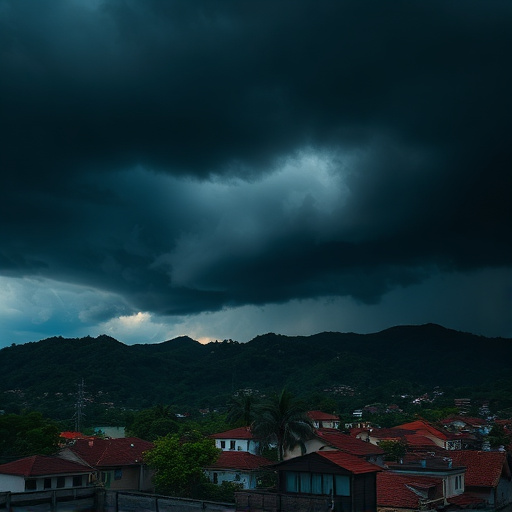
In the aftermath of a big storm, navigating the flood of roof repair offers can be overwhelming. Many homeowners find themselves facing an additional challenge: storm chaser contractors, who, despite their promises of swift service, often cause more damage and leave repairs unfinished. This can lead to costly second storms before repairs are truly completed. We provide a comprehensive checklist to help you avoid these pitfalls, ensuring your Oro Valley home is protected effectively. Our expert advice, based on years of experience in Oro Valley storm restoration, will guide you through every step, from assessing damage to securing quality, licensed professionals.
- Assess Damage Before Hiring: Be Your Own Expert
- Research Local, Licensed Contractors: Verify Credentials
- Compare Offers: Cost vs. Quality and Experience
- Plan for Post-Storm Repairs: Timing is Crucial (Second Storm)
Assess Damage Before Hiring: Be Your Own Expert

Before hiring any contractor, especially after a storm, it's crucial to assess the damage yourself. This is particularly important when dealing with the aftermath of a microburst or severe hail event. Oro Valley residents often face the challenge of deciding who to trust for storm damage repairs, especially with the influx of storm chasers post-disaster. To avoid being taken advantage of, become your own expert.
Start by examining your roof for hail damage. Look for missing, lifted, or broken shingles, and note any signs of damaged underlayment. The size of the hail can provide clues about the extent of the damage; larger hail typically causes more significant roof damage. Keep in mind that microbursts can be particularly destructive, resulting in widespread lifted shingles and even tree limb damage. Take photos of the damage for insurance purposes and to help you communicate the extent of the issue clearly.
Next, inspect your gutters and roof vents. Heavy rain from storms can cause interior leaks, so ensure these areas are secure and undamaged. Flash flood runoff can also be a concern, so check for any signs of water damage or leakage around your home's exterior. If you spot any hidden storm damage from the ground, address it promptly. A public adjuster can be a valuable asset in navigating storm damage claims, ensuring you receive the compensation you deserve. Remember, the goal is to be prepared for a second storm before repairs begin, minimizing the potential for additional damage and ensuring your home is secure.
Consider DC Roofing of Arizona, a local Oro Valley roof expert, as your guide through this process. Their certified storm experts can provide an accurate inspection, helping you make informed decisions about repairs. By understanding the damage and taking proactive measures, you'll be better equipped to avoid storm chaser contractors who may offer quick fixes but lack the expertise and commitment to your home's long-term protection.
Research Local, Licensed Contractors: Verify Credentials

When the dust settles after a major storm, the damage can be extensive. With the potential for a second storm before repairs are complete, it's crucial to act swiftly but wisely. One of the most critical steps in the immediate aftermath is to research and verify local, licensed contractors. In Oro Valley and Marana, a roofing contractor serving these areas must possess a valid Arizona ROC license, demonstrating their expertise and commitment to quality.
Water intrusion is a common and serious issue following storms. It can lead to mold, mildew, and structural damage if not addressed promptly. Verify that the contractor you choose has experience handling water intrusion and can provide references. A reputable contractor will conduct a thorough inspection, not just a quick walk-through, to identify hidden storm damage, including lifted shingles, broken tiles, and storm-damaged underlayment. A skilled contractor will know how to spot the signs of a second storm's potential impact, such as loose tiles or flashing damage, before the next weather event arrives.
Beyond the practical aspects, hiring a licensed contractor offers financial protection. They are accountable for their work and any issues that may arise. This peace of mind is invaluable when you're dealing with the aftermath of a storm. A licensed roofer will understand the ins and outs of storm damage insurance claims, helping you navigate the process and ensuring you receive the compensation you're entitled to. When considering a contractor, ask about their experience with storm restoration, their response times, and their ability to work with insurance companies.
Compare Offers: Cost vs. Quality and Experience

After a big storm hits Oro Valley, the rush to repair damage can lead homeowners to make impulsive decisions, especially when a flood of "storm chaser" contractors descends upon the area. While these contractors can provide quick fixes, choosing one without careful consideration can result in subpar work, hidden costs, and even more damage down the line. Before signing a contract, compare offers from multiple, reputable roofing companies, focusing on the quality and experience of their work-especially crucial before a second storm hits.
A storm chaser's rush to fill a void in the market may lead to cutting corners on materials, such as using inferior underlayment or cheap shingles. This can result in further damage, like ceiling stains from leaks or lifted shingles from strong winds during a subsequent storm. A local roofing company serving Oro Valley with a proven track record and a solid reputation will invest in high-quality materials and skilled labor, ensuring lasting repairs. A Rancho Vistoso resident whose roof was damaged by a microburst found that the initial estimate from a storm chaser was significantly lower than the quote from a certified storm expert who used superior materials and methods.
Beyond cost, consider the contractor's experience handling specific types of damage. Not all roofs are the same, and hail, wind-driven rain, and tree limb damage require different repair techniques. A seasoned Oro Valley storm restoration expert will know how to address these nuances, ensuring your roof is protected from future storms. A recent storm in the area left many homes with damaged roof vents, a common problem that a skilled contractor will know how to fix promptly. A second storm before repairs are complete can exacerbate these issues, leading to more extensive and costly damage.
When comparing offers, ask for references and check online reviews. A local roofing company with a strong history will have satisfied customers who can vouch for their work. This due diligence will help you make an informed decision, ensuring your roof is in capable hands for both immediate repairs and long-term storm protection.
Plan for Post-Storm Repairs: Timing is Crucial (Second Storm)
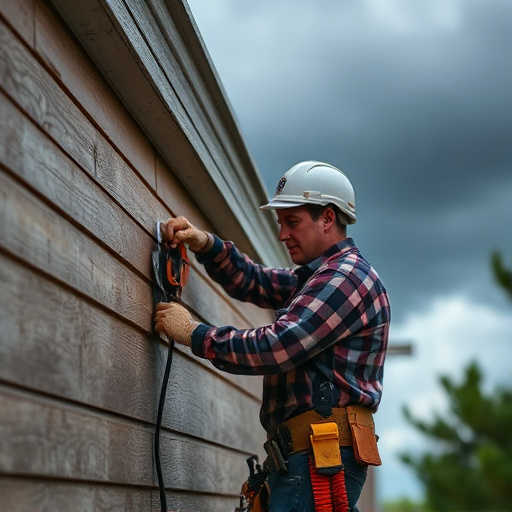
After a severe storm, it's natural to be in a rush to get your Oro Valley home back in order. However, timing is critical for repairs, especially when preparing for a potential second storm. The immediate aftermath of a heavy storm is not the time to cut corners or rush into decisions. Many homeowners fall victim to storm chaser contractors, who often provide subpar work and charge exorbitant rates. To avoid these pitfalls, consider this checklist for post-storm repairs, focusing on the delicate balance between urgency and quality.
One of the first steps is to assess the extent of the damage, looking for more than just lifted shingles and broken tiles. Examine your roof, gutters, and parapet walls for signs of hidden storm damage. Hail can be particularly ruthless, and its impact may not be immediately apparent. An experienced Oro Valley roof specialist recommends taking photos of the damage from various angles, both from the ground and the air if possible. This visual record will be invaluable when filing an insurance claim or dealing with your HOA.
The second storm is a critical factor to consider. While it's essential to make repairs quickly, rushing into a decision could lead to further damage. Waiting for the right materials and ensuring proper drying times between installations is crucial, especially with the added risk of flash flood runoff and lightning strikes during the monsoon season. Securing loose tiles before the second storm hits is a proactive step that can save you from more extensive repairs down the line. This includes protecting your roof vents and skylights, which are often vulnerable to wind-driven rain and flying debris.
For storm-related repairs, timing is everything. A swift assessment, thorough documentation, and careful planning will not only protect your home but also help you avoid the pitfalls of storm chaser contractors. Remember, the goal is not just to fix the damage but to do so in a way that ensures the longevity of your home and provides peace of mind during these unpredictable times.
Frequently Asked Questions About a checklist for avoiding storm chaser contractors after a big storm
What are storm chaser contractors, and why are they a concern after a big storm? Storm chaser contractors are individuals or companies that quickly arrive in the aftermath of severe weather events, often with exaggerated promises of swift repairs and immediate aid. They exploit the urgent need for roof repairs or other storm damage restoration, charging exorbitant rates or offering subpar work. After a big storm, it's crucial to avoid these contractors to prevent financial loss and ensure quality repairs.
How can I identify a storm chaser contractor? Look for signs like: (1) Unlicensed or uninsured operators; (2) Unprofessional communication, such as vague or urgent language; (3) Out-of-state or unmarked vehicles; (4) Unwillingness to provide references or examples of previous work; (5) High-pressure sales tactics or demands for immediate payment. Reputable local contractors will have clear, professional communication and be licensed and insured.
What should I do if a storm chaser contractor approaches me after a storm? Do not sign any contracts or make payments upfront. Instead, contact a licensed, local roofing company or restoration service that you know and trust, or ask for recommendations from neighbors or local authorities. Verify their licenses and insurance and get estimates from multiple providers to ensure fair pricing.
How can I ensure I'm getting a fair price for repairs? Compare estimates from multiple licensed contractors, ensuring they're detailed and itemize the work. Be wary of unusually low quotes, as they may indicate subpar work or materials. Consider getting a second opinion and requesting references from previous customers to gauge their satisfaction with the work and pricing.
Are there any legal protections against storm chaser contractors? Yes, many states have laws against deceptive or fraudulent practices in the aftermath of natural disasters. If you suspect a storm chaser contractor has exploited you, report them to your local consumer protection agency or law enforcement. Keep detailed records of all communications and expenses to support your case.
What should I do if I've already signed a contract with a storm chaser contractor? First, try to negotiate a refund or cancellation. If that's not possible, contact a consumer protection advocate or attorney specializing in construction disputes to understand your legal options. Document all communications and expenses to support your claim.
How can I prepare for a storm to avoid the need for immediate storm chaser services? Regular maintenance, such as inspecting and repairing roofs and gutters, can prevent significant damage during storms. Keep a list of reliable, licensed contractors for future needs. During a storm, take safety precautions, like securing loose items outside and preparing emergency kits, to minimize damage and avoid the need for immediate repairs from strangers.
After a storm, understanding roof repairs can be challenging, especially with the temptation of storm chaser contractors. The key to securing reliable and effective post-storm roofing services lies in proactive assessment and informed decision-making. By thoroughly assessing the damage, researching local, licensed professionals, and comparing offers, homeowners can avoid subpar work and ensure their roofs are adequately protected. Timing is critical, and planning for repairs before the second storm arrives is essential to prevent further complications. This strategic approach, combining expert knowledge and meticulous planning, not only safeguards your home but also ensures a smooth insurance claim process, offering peace of mind during an otherwise stressful time.
After a major storm in Oro Valley, homeowners must navigate post-disaster repairs carefully. To avoid storm chaser contractors, residents should:
- Assess Damage Independently: Examine roofs, gutters, and vents for damage, noting hail size for severity clues. Take detailed photos for insurance.
- Verify Contractor Expertise: Choose licensed Oro Valley rovers with ROC licenses, experience in water intrusion, and thorough inspection practices.
- Prioritize Quality Over Speed: Wait for the right materials, especially before a potential second storm, to prevent further damage.
- Plan Proactively: Document storm damage, secure loose tiles before the next storm, and protect vents and skylights for lasting repairs.