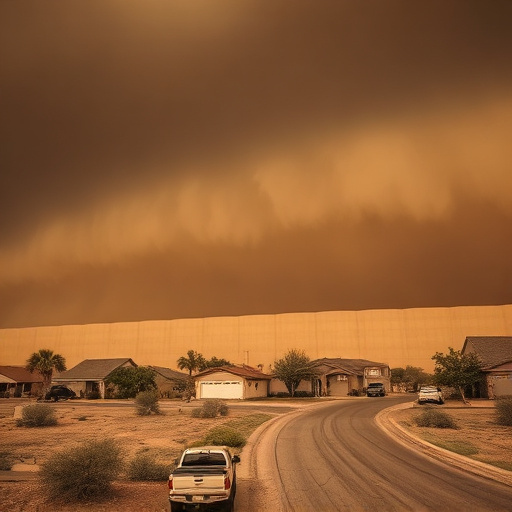
Oro Valley homeowners face a unique challenge when monsoon storms roll in, often causing significant roof damage. With powerful winds, intense rain, and sometimes hail, assessing your roof's health after a storm is crucial. The first 24 to 48 hours are critical, as they determine your storm repair timelines and potential insurance claims. This guide provides you with the knowledge to spot hidden damage from the ground, understand common issues like lifted shingles, broken tiles, and flash flood runoff, and take swift action to secure your home. By following these steps, you'll be better equipped to navigate the storm damage process, ensuring your roof is restored efficiently.
- Assessing Roof Damage After a Storm
- Safety Measures Before Entering Your Home
- Documenting and Filing Insurance Claims
- Understanding Storm Repair Timelines
Assessing Roof Damage After a Storm

Assessing the damage to your roof after a monsoon storm is a critical first step in the recovery process. As Oro Valley residents know, these intense weather events can leave behind a trail of destruction, and your roof may be one of the most vulnerable areas of your home. With potential hazards like microbursts and haboobs, it's crucial to be prepared and act swiftly.
When examining your roof, look for lifted shingles, broken tiles, or evidence of wind-driven rain leaks. These can be telltale signs of storm damage. If you notice ceiling stains, it may indicate interior leaks caused by storm-related flash flood runoff. It's also important to check for hidden storm damage, such as damaged underlayment or flashing. These issues might not be immediately apparent but can lead to serious problems if left unaddressed. A roofing contractor serving Oro Valley and Marana recommends securing loose tiles and inspecting the entire roof before the next storm hits, as securing loose tiles before monsoon season can prevent further damage.
The timeline for storm repair is crucial. Prompt action not only protects your home but also helps with insurance claims. Ideally, repairs should begin within a few days of the storm, especially for urgent issues like leaks or damaged flashing. If your storm damage includes a haboob, which can produce intense winds and debris, a professional assessment and repair within 24 to 48 hours can prevent further structural damage. Remember, the longer you wait, the more complex and costly the repairs may become. A licensed and insured pro can provide an accurate inspection and help with your storm damage insurance claim, ensuring you receive the financial protection you need during these challenging times.
Safety Measures Before Entering Your Home

Before entering your Oro Valley home after a monsoon storm, safety must be your top priority. Lightning, fallen trees, and structural damage from powerful winds can make your property hazardous. Here's a step-by-step guide to assess the situation safely:
Start by inspecting your exterior from the ground. Look for loose tiles, lifted shingles, or broken tiles caused by hail or wind-driven rain. Check the condition of your gutters, parapets, and flashing, as these areas can be vulnerable to storm damage. A microburst can cause significant damage to roofs, so look for signs of missing or damaged shingles, especially around the peaks and valleys. Keep an eye out for tree limb damage, as these can fall and puncture your roof. If you notice any significant damage or see signs of interior leaks after heavy rain, don't step inside. Contact an experienced Oro Valley roof specialist to conduct a thorough assessment before entering.
Remember, your safety is paramount. Don't risk injury by attempting to assess severe damage yourself. If you're unsure about the safety of your home, err on the side of caution. In many cases, waiting until the storm damage repair timeline allows for a proper inspection is best. A second storm before repairs could complicate the process and increase the risk of hidden damage. An expert roofer can help you navigate the storm repair timelines and ensure your home is safe for entry. They can also guide you through the storm damage insurance claim process, providing peace of mind during this challenging time.
Documenting and Filing Insurance Claims

After a monsoon storm, assessing and documenting roof damage is crucial for a swift and accurate insurance claim. An experienced Oro Valley roof specialist recommends taking detailed photos of the affected area, including close-ups of lifted shingles, damaged tiles, and any visible interior leaks. These visuals are invaluable for supporting your claim and demonstrating the extent of the storm's impact.
The process of filing an insurance claim for roof damage can seem daunting, but with proper preparation, it becomes more manageable. Begin by contacting your insurance provider and requesting an adjuster's visit. The adjuster will assess the damage, inspect the roof, and help you understand the scope of repairs required. Keep in mind that storm repair timelines can vary based on the severity of the storm and the complexity of the damage. During the inspection, provide the adjuster with your detailed damage documentation, including photos, to expedite the claim process.
Once the claim is filed, work with your insurance company to approve the estimated repairs. This may involve comparing quotes from multiple contractors and ensuring the chosen contractor is licensed and insured. Some companies may also recommend using a public adjuster for roof claims, especially for more extensive or complex damage. These professionals specialize in navigating the claims process and can help ensure you receive the maximum benefits for your policy. Remember, documenting and filing your claim accurately is essential to avoid delays and potential disputes, ensuring a smoother recovery process during these challenging times.
Understanding Storm Repair Timelines

After a monsoon storm, understanding storm repair timelines is crucial for Oro Valley homeowners. The National Weather Service Tucson provides valuable insights into the potential intensity of these events, helping you gauge the extent of roof damage. While some repairs can be addressed promptly, others may require more time due to the severity of the storm.
The first step in assessing storm repair timelines is to inspect your roof for visible damage. Look for cracked tiles, lifted shingles, or any signs of structural compromise. Microbursts, localized, powerful gusts of wind, can be particularly destructive, so be on the lookout for these phenomena, which can cause significant roof damage. If the storm was severe, it's essential to document all damage with photographs. This visual record will be invaluable when filing a storm damage insurance claim, especially when dealing with hidden damage that may not be immediately apparent.
Once you've documented the damage, contact a licensed roofer like DC Roofing of Arizona for a thorough assessment. They can provide an accurate estimate of repair timelines based on the specific type of damage and the availability of replacement materials. In some cases, immediate attention is required to prevent further damage, such as securing loose tiles before the next monsoon season. More extensive repairs, like replacing underlayment or repairing storm-damaged flashing and parapets, may take longer. The key is to start the process as soon as possible, as waiting until a second storm hits could compound the problem. Remember, each storm brings the potential for new damage, so staying proactive is essential for protecting your home and peace of mind.
Frequently Asked Questions About a guide for Oro Valley homeowners on assessing roof damage after a monsoon storm
What should I do immediately after a severe storm to assess my roof damage?
After a severe storm, your top priority is safety. First, ensure your home is secure and no immediate hazards exist. Then, inspect your roof from a safe distance, looking for visible damage like missing or damaged shingles, flashing, or signs of water intrusion. Document the damage with photos, noting the date and time. Contacting a licensed Oro Valley area roofing contractor like DC Roofing of Arizona for a professional assessment is crucial, as they can provide expert advice and begin repairs quickly to prevent further damage.
How can I tell if my roof needs immediate attention after a storm?
Severe weather can cause significant roof damage, even if it's not immediately apparent. Look for these signs: leaks, water stains on ceilings or walls, cracks or bulges in the roof, or missing shingles. If you notice any of these, it's essential to contact a roofing professional as soon as possible. A local roofing company serving Oro Valley and Marana can assess the situation and perform necessary repairs to prevent water damage and structural issues.
What is the best way to document roof damage for insurance claims?
Create a detailed damage checklist. Start by taking photos of the entire roof from various angles, noting the date and time. Then, inspect the interior for water stains, ceiling cracks, or signs of mold growth. Document any missing or damaged shingles, flashing, or gutters. Keep records of all expenses related to repairs. Providing this comprehensive information to your insurance company will help ensure a faster and more accurate claim processing.
How long does it typically take to repair a damaged roof after a monsoon storm?
Most roof repairs after a storm can be completed within one to two days, depending on the extent of the damage. A licensed Arizona roofer will provide an estimate and a timeline for repairs. For extensive damage, the process might take longer, and the contractor should communicate any delays. Ensure they have a valid ROC license to guarantee quality and professionalism throughout the repair process.
What should I do if I suspect my roof is structurally compromised after a storm?
If you believe your roof's structural integrity is compromised, do not enter it. Contact a licensed roofer immediately. They can assess the situation and determine the best course of action. In severe cases, the roofer might recommend a complete roof replacement. A roofing contractor with experience in Oro Valley can guide you through the process, ensuring your safety and the longevity of your home's most crucial protection against the elements.
After navigating a monsoon storm, Oro Valley homeowners must act swiftly to assess and repair roof damage. This guide has equipped you with essential knowledge to ensure safety, make informed decisions, and understand the storm repair timelines. By prioritizing home protection, documenting damage, and communicating with reliable roofing professionals like DC Roofing of Arizona, you can navigate the insurance claim process with confidence. Remember, quick action is key; repairs should ideally commence within 24-48 hours to prevent further interior leaks, flash flood runoff, and hidden storm damage. Stay vigilant, spot damage from the ground, and secure loose tiles before the next storm hits. These proactive steps will safeguard your property and ensure a smoother recovery.
Oro Valley Storm Damage Assessment and Repair: A Practical guide
- Immediate Action: After a monsoon storm, inspect your roof for damage, including lifted shingles, broken tiles, and hidden issues like damaged underlayment. Act swiftly, as timely repair is key to protecting your home.
- Safety First: Before entering, assess exterior damage from the ground. Look for tree limb damage, fallen debris, and structural issues. Contact a roof specialist if significant damage is suspected.
- Document and File Claims: Take detailed photos of storm damage. Contact your insurance provider, file a claim, and work with adjusters to understand repair needs. The timeline varies based on damage severity.
- Storm Repair Timelines: Inspect your roof for visible damage and consider microburst potential. Contact a licensed roofer for assessment and repair estimates. Start repairs promptly to prevent further damage.