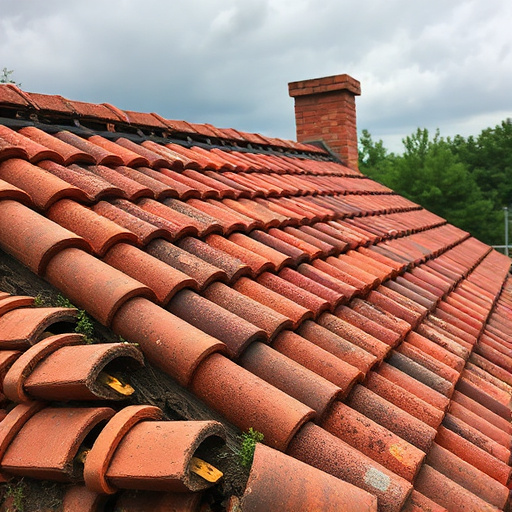
In the aftermath of a big storm, the last thing you want is to fall victim to a storm chaser roofer. With wind-driven rain causing tile leaks, lifted shingles, and even hidden storm damage, knowing who to trust is crucial. The damage from hail, microbursts, and flash floods can be overwhelming, prompting the need for emergency repairs. This article provides a damage checklist to help you navigate the process, differentiate legitimate experts like DC Roofing of Arizona from storm chasers, and ensure your Oro Valley home gets the secure roofing solutions it deserves after a storm, minimizing the risk of costly, subpar work.
- Assessing Hail Damage: Spotting Roof Red Flags
- Understanding Licensing: Verifying Contractor Legitimacy
- Local Experts: Prefer Rooftop Specialists in Your Area
- Post-Storm Precautions: Safeguarding Your Home Investment
Assessing Hail Damage: Spotting Roof Red Flags
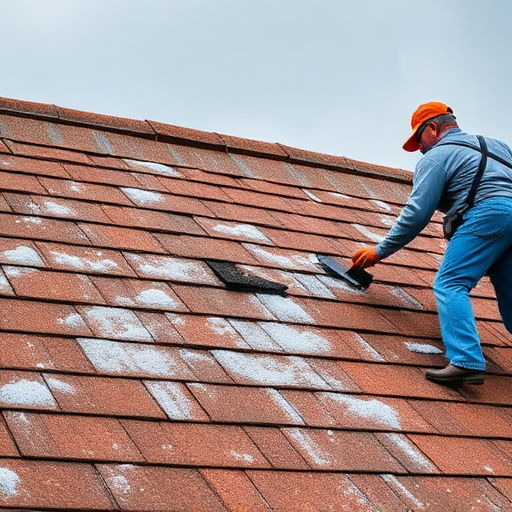
When assessing storm damage from hail, homeowners must look beyond the immediate impact and focus on potential long-term effects. The size of the hail and its impact on various roof components can be crucial in determining the extent of the damage. Here's what to look for and how to proceed:
Hail Size and Roof Damage: Large hailstones, which are common during severe storms, can leave significant marks on your roof. Inspect your property for cracked or broken tiles and shingles, especially if they are older or made of vulnerable materials. A National Weather Service Tucson report highlighted the impact of a recent monsoon storm, noting that many homes in the Oro Valley area sustained substantial hail damage, with some tiles and shingles lifted or shattered. This can expose the underlying underlayment and create entry points for water, leading to interior leaks and further damage.
Red Flags to Watch Out For: Look for loose or missing shingles, which can be a sign of extensive hail damage. Also, be vigilant about flashing and parapets-these areas are vulnerable to hail impact and may require attention. The presence of water stains inside the home, especially after heavy rain, could indicate interior leaks caused by storm-related damage. Remember, hidden storm damage is not uncommon, so a thorough inspection is essential.
Taking Action: If you suspect hail damage, don't wait. Contact a reputable, licensed Arizona roofer to conduct a professional assessment. They will not only verify the extent of the damage but also help you navigate the insurance claim process. Many insurance companies require a detailed assessment to determine the deductible and the scope of repairs, so having a qualified expert on your side can simplify things. DC Roofing of Arizona offers prompt estimates and has experience with storm-related claims, ensuring a smoother process for affected homeowners.
Understanding Licensing: Verifying Contractor Legitimacy

After a storm, understanding roof repair can be challenging, especially with the influx of storm chaser contractors. To avoid potential pitfalls, it's crucial to understand licensing and verify a contractor's legitimacy. In Oro Valley and the Catalina Foothills, where hail size and roof damage can vary widely, knowing who to trust is paramount.
In Arizona, roofing contractors must hold a valid Arizona ROC (Roofing Contractors License) to operate legally. This license ensures that the contractor meets specific qualifications and standards, providing some measure of protection for homeowners. When considering a contractor for storm damage repairs, ask to see their ROC license and verify its status through the Arizona Department of Construction and Licensing (DCL). A licensed Arizona roofer, like those from DC Roofing of Arizona, specializing in the local area, is an excellent choice. They understand the unique challenges posed by storms in Oro Valley and Marana, from hail size and roof damage to the specific wind exposure near Pusch Ridge.
Beyond the license, legitimate contractors should offer transparent pricing, provide detailed estimates, and be insured. They should also be members of relevant associations, such as the Storm Restoration Association or the International Institute for Certified Restoration (IICR), demonstrating a commitment to industry standards and ethics. A contractor with experience in microburst roof repair, hail damage by roof type, or storm damaged underlayment will be better equipped to handle the specific challenges posed by storms in your area. They will also be more likely to secure loose tiles before the onset of the monsoon, protecting your home from additional hidden storm damage.
Remember, if a contractor is pushing for an immediate decision or arrives unannounced, these could be red flags. Take your time, get multiple estimates, and ensure the contractor you choose is licensed, reputable, and capable of handling the specific storm damage your home has incurred. This due diligence will help ensure your roof is repaired correctly, protecting your home and peace of mind, especially during challenging weather events.
Local Experts: Prefer Rooftop Specialists in Your Area
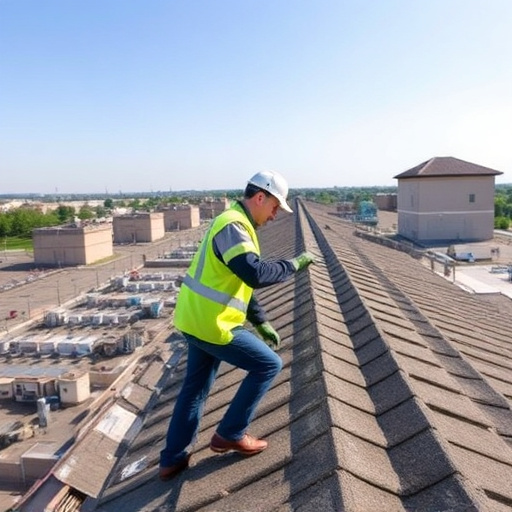
When the monsoon season brings heavy storms to Oro Valley, it's crucial to know whom to trust when dealing with hail size and roof damage. While the urge to act quickly after a big storm is understandable, it's equally important to avoid storm chaser contractors who may not have your best interests at heart. These fly-by-night operators often prey on homeowners' desperation, offering quick fixes that don't stand the test of time.
Instead, turn to local experts. A roofing contractor serving Oro Valley and Marana who specializes in storm damage repair will have deep knowledge of the area's specific challenges. They'll understand the unique wind exposure near Pusch Ridge and the potential for flash flood runoff, both of which can contribute to severe roof damage. These specialists will also be familiar with the local building codes and insurance requirements, ensuring your repairs meet all necessary standards.
When choosing a contractor, look for those with specific certifications, like those from the Storm Restoration Association or IICR. These credentials demonstrate a commitment to staying current with the latest storm restoration techniques. A licensed and insured pro offers peace of mind, protecting you from potential financial risks and ensuring your home is in safe hands. A certified storm expert can quickly assess your property, spot hidden storm damage, and photograph it for your insurance claim, even checking for interior leaks that might indicate compromised flashing or parapets.
Avoiding storm chaser contractors is about more than just saving money; it's about ensuring your home is protected for the long term. By choosing a local rooftop specialist, you're benefiting from their expertise in dealing with the unique challenges of Oro Valley's monsoon season, from securing loose tiles before the next storm to repairing hail damage on various roof types. And if you're dealing with ceiling stains from water intrusion, these professionals can provide prompt estimates and swift repairs, ensuring your home is back to normal as quickly as possible.
Post-Storm Precautions: Safeguarding Your Home Investment

Post-storm precautions are crucial for safeguarding your home investment, especially after a severe storm like those that frequently hit the Oro Valley area, including Rancho Vistoso. When your roof suffers hail damage, wind-driven rain leaks, or lifted shingles, it's not just about immediate repairs; it's about making sure you're protected from further, potentially costly damage.
One of the most significant mistakes homeowners make after a big storm is falling prey to storm chaser contractors. These untrustworthy operators often show up quickly, promising swift and budget-friendly repairs. However, they may lack the expertise, credentials, and insurance to do the job right. At such a vulnerable time, it's easy to let your guard down, but this can lead to hidden storm damage, poor workmanship, and financial loss. A roofer with an Arizona ROC license (a key indicator of professionalism and legitimacy) will conduct a thorough inspection, accurately assess hail size and roof damage, and provide transparent estimates, unlike storm chasers who might skip these steps.
To avoid falling into the trap of storm chasers, follow these steps. First, photograph any visible damage to document it for insurance purposes. Next, contact a reputable local roofing company serving Oro Valley and Marana, like DC Roofing of Arizona, a licensed Oro Valley area roofing contractor, to perform a professional assessment. A certified storm expert will inspect your roof, flashing, and underlayment for hidden damage, checking for lifted shingles, broken tiles, and storm-related interior leaks. They'll also assess wind exposure near Pusch Ridge, a factor that increases the risk of damage. Remember, a quick estimate from an uninsured storm chaser can turn into a costly, second storm before repairs are even completed.
Frequently Asked Questions About a checklist for avoiding storm chaser contractors after a big storm
What is a storm chaser contractor?
Storm chaser contractors are individuals or companies that capitalize on the aftermath of severe weather events, often arriving quickly to areas affected by storms like hail, tornadoes, or hurricanes. They offer emergency repairs and replacements, but their rushed work and lack of local connections can lead to subpar workmanship and exploitative pricing.
Why is it important to avoid storm chasers after a big storm?
While urgent repairs are necessary after a storm, storm chasers often lack the experience, resources, and commitment to local communities. They may: charge inflated prices, provide low-quality work, fail to follow building codes, disappear after payment, or even cause further damage. It's crucial to avoid them to protect your investment and ensure your safety.
How can I verify a contractor's legitimacy?
Before hiring anyone for storm damage repairs, verify their legitimacy by: checking their license and insurance with the state, asking for references, and seeking local recommendations from family, friends, or your home insurance company. Look for a contractor with a proven track record and established presence in your community.
What should I do if a storm chaser approaches me?
If a storm chaser approaches you, politely decline their services and report them to local authorities. You can also document their activities (take photos, note their vehicle details) and share the information with your insurance company. Remember, legitimate contractors will not pressure you into immediate decisions or demand cash payments.
Are there any legal protections against storm chasers?
Yes. Many states have laws in place to protect consumers from unfair or deceptive practices by storm chasers. Familiarize yourself with your state's specific regulations, and report any suspicious activity. The Better Business Bureau (BBB) also offers tips and resources for protecting yourself from storm chasers.
What if I'm unsure if a contractor is legitimate?
If you're unsure, contact a trusted, licensed local contractor or your insurance company for guidance. They can offer advice on finding reputable professionals and help you navigate the claims process. It's better to be safe than sorry for storm damage repairs.
In the wake of a severe storm, understanding roof repair can be daunting. This article has provided a comprehensive checklist to guide homeowners in avoiding storm chaser contractors and ensuring their roofs are safely repaired. Key insights include the importance of assessing hail damage, understanding and verifying contractor licensing, prioritizing local experts, and taking immediate post-storm precautions. By recognizing red flags like lifted shingles, broken tiles, and interior leaks, and by selecting a licensed and experienced roofer, homeowners can protect their investments and safeguard their homes. Securing loose tiles before the next monsoon, documenting storm damage with photographs, and understanding the timeline for repairs are crucial steps. Remember, the size of hail can significantly impact roof damage, so prompt action and informed decisions are vital to mitigate hidden storm damage and ensure a solid, secure roof.
After severe storms in Oro Valley, avoid storm chaser contractors and focus on long-term protection. Inspect for hail damage, water stains, and loose shingles. Contact a licensed, local roofing contractor for expert assessments and repairs. Verify the contractor's ROC license, transparency, and insurance. Protect your home investment by following these steps for thorough post-storm precautions.