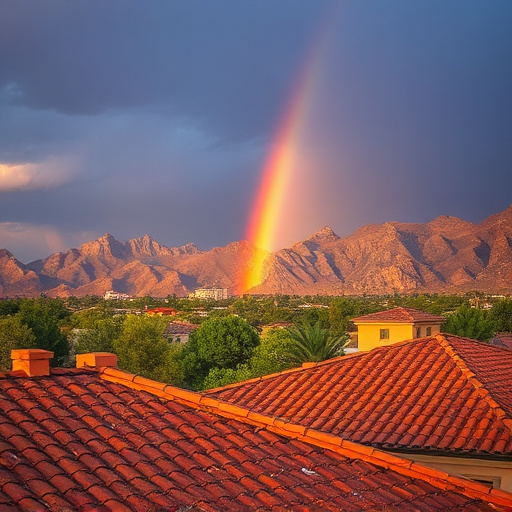
In the aftermath of a big storm, the damage can be overwhelming, especially for your roof. While some repairs can be handled immediately, others may require professional assistance. The challenge lies in identifying trustworthy contractors amidst the flood of "storm chasers" who emerge after such events. This damage checklist is your guide to navigating post-storm roof repairs, focusing on preventing subpar work and fraud. We'll show you how to avoid tree limb roof damage and other hidden storm damage, ensuring your home is secure and your repairs are budget-friendly and well-timed. By following these steps, you'll be better equipped to protect your property and your peace of mind.
- Assessing Tree Limb Roof Damage Naturally
- Spotting Red Flags: Storm Chaser Contractors
- Hiring Local: Benefits & Checks to Avoid Scams
- Post-Storm: Safe & Effective Roof Repairs
Assessing Tree Limb Roof Damage Naturally
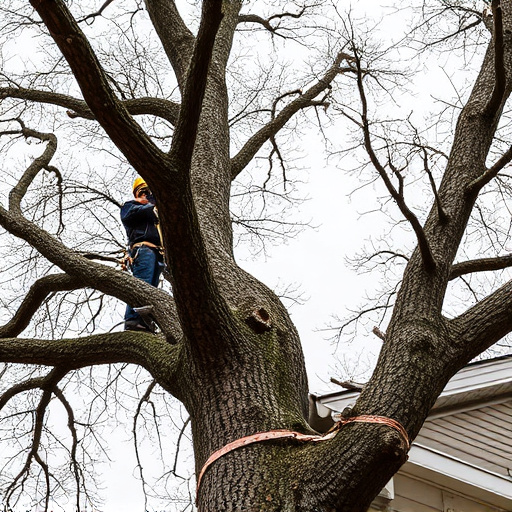
After a storm, assessing tree limb roof damage is a crucial step in Oro Valley storm restoration. It's not just about spotting broken branches; it involves understanding how these limbs can impact your roof's structural integrity and overall performance. A roofer with an Arizona ROC license will tell you that tree limbs can cause significant damage, from lifted shingles and broken tiles to more subtle issues like flashing and underlayment damage.
Start by examining your roof from the ground. Look for visible signs like cracked or missing shingles, which could be indications of wind exposure from nearby Pusch Ridge. Check for ceiling stains, often a result of interior leaks after heavy rain. These stains can point to hidden storm damage, such as compromised flashing or parapets. A microburst could have blown off a significant number of tiles, lifting the remaining ones and causing a leak. A public adjuster for roof claims might recommend a thorough inspection to uncover such hidden damage.
Next, assess the overall health of the tree(s) next to your home. Large limbs that overhang your roof are particularly vulnerable to storm damage. Hail, haboob winds, or flying debris from these trees can leave visible scars on your roof. Remember, not all damage is immediately apparent. A second storm before repairs could make assessing the extent of tree limb damage even more challenging. Therefore, document and photograph any damage for insurance claims and future reference. This visual evidence is invaluable when dealing with a storm damage insurance claim, especially when dealing with your HOA.
Spotting Red Flags: Storm Chaser Contractors
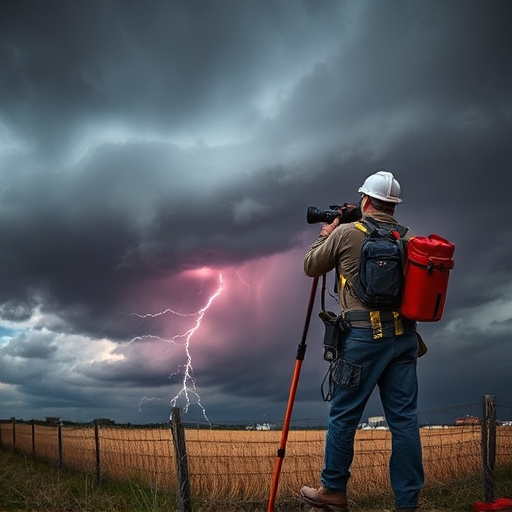
When a big storm hits Oro Valley, it's crucial to know what to look for to avoid storm chaser contractors who may exploit your vulnerable situation. Keep your hard-earned money and peace of mind by knowing the red flags to watch for, especially for tree limb roof damage and other common post-storm issues.
One of the most obvious signs of a storm chaser is a lack of local knowledge. A contractor who doesn't seem familiar with the area, its building codes, or the specific challenges of Oro Valley homes, particularly regarding wind exposure near Pusch Ridge, might not be the best fit. Be wary of contractors who make promises about quick fixes or guarantee repairs without a thorough assessment. They may claim to have a "specialist" on staff for tree limb roof damage, but this could be a ploy to rush repairs without addressing the full extent of the damage.
Pay close attention to the contractor's communication and professionalism. Reputable contractors will offer clear, detailed estimates and will be patient in answering your questions. They should document your damage, including photographs of lifted shingles, broken tiles, storm damaged flashing and parapets, and other issues like interior leaks after heavy rain. Be wary of pressure tactics, high-pressure sales, or demands for immediate payment. A legitimate contractor will respect your timeline and work with your insurance company, even if that means navigating a second storm before repairs can begin. They will also be experienced in dealing with issues like flash flood runoff, hail damage of varying sizes, and the potential for lightning roof damage, not just tree limb roof damage. Remember, the most effective protection is a licensed, insured, and experienced local expert, like DC Roofing of Arizona, who understands the unique challenges of Oro Valley's storm season.
Hiring Local: Benefits & Checks to Avoid Scams

After a major storm, your roof may sustain damage from tree limbs, wind-driven rain, or hail-all common hazards in our region, including Oro Valley and Marana. Navigating post-storm recovery can be stressful, especially for choosing the right contractor. Many homeowners fall victim to scams or subpar work after a big storm, so it's crucial to avoid storm chasers and opt for local, licensed professionals.
Hiring a local roofing contractor serving Oro Valley and Marana offers several benefits. First, they understand the local climate, building codes, and common storm damage issues, such as flashing problems, which can be crucial for preventing interior leaks after heavy rain. Local pros are also more likely to be responsive and reliable, as they have established reputations in the community. They're typically easier to reach, especially in the immediate aftermath of a storm, when communication is vital.
To avoid scams, check for a current Arizona ROC license (a crucial indicator of professionalism and liability protection) and ask for references. Don't be pressured into making an immediate decision, and always get multiple estimates. Be wary of contractors who show up uninvited after a storm, as they often use high-pressure sales tactics. A legitimate contractor will understand that homeowners are vulnerable after a storm and will offer peace of mind and financial protection by accurately assessing and documenting the damage, including any hidden issues like storm-damaged underlayment or lifted shingles.
A certified storm expert from a local, reputable company can help you navigate the storm damage insurance claim process and ensure that your repairs are performed according to the latest standards. They can also provide a detailed, photographed storm damage checklist, which will be invaluable if you need to make a second storm claim before the repairs are complete. By prioritizing local, licensed professionals, you'll not only protect your home from further damage but also support your local economy.
Post-Storm: Safe & Effective Roof Repairs
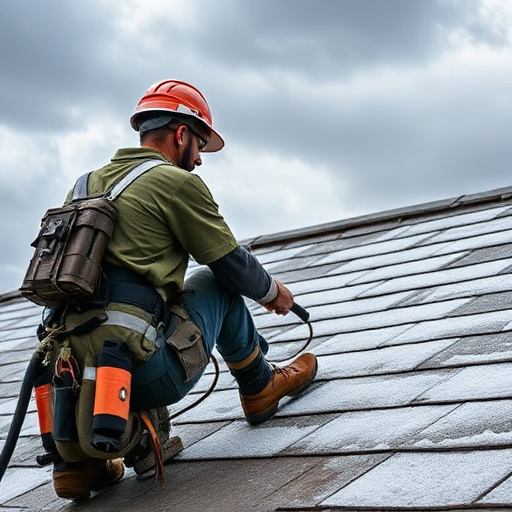
After a major storm, your roof is vulnerable to further damage, and navigating the repair process can be overwhelming. One common problem that arises in the aftermath of severe weather is tree limb roof damage, exacerbated by strong winds and microbursts. To ensure safe and effective roof repairs, it's crucial to avoid storm chaser contractors who may not have the expertise or resources to handle your situation properly.
In the immediate aftermath of a storm, it's understandable to feel a sense of urgency. However, taking a moment to assess the damage and prioritize your safety is essential. Look for signs of loose or missing shingles, damaged underlayment, or blocked scuppers. These are indicators that require immediate attention. Keep in mind that some storm chasers may rush to make promises and take on projects they're not qualified for, especially if there's a lot of work to be done.
When considering a contractor, ask for references and verify their credentials. A reputable company, like DC Roofing of Arizona, will have experience handling various storm damage, including tree limb roof damage. They should be able to provide detailed explanations about the repair process, the materials they use, and the expected timeline. Be wary of contractors who offer unusually low quotes or pressure you into making quick decisions without proper inspection. A genuine expert will respect your property and your time, offering a fair assessment and a thorough plan for repairs.
Be cautious of contractors who lack proper insurance or a license. These can be red flags that they may not have the financial responsibility or legal standing to handle a claim with your home insurance company. Remember, after a storm, your priority is securing your home and ensuring the safety of your family. Don't let haste lead you to choose a contractor who may not deliver the quality of work you need.
Frequently Asked Questions About a checklist for avoiding storm chaser contractors after a big storm
What are storm chaser contractors?
Storm chaser contractors are individuals or companies that exploit the aftermath of severe weather events, often arriving quickly and offering urgent services at potentially inflated prices. They may promise swift repairs, but their work often lacks quality and they can be difficult to track down once the job is done.
Why do I need to be wary after a big storm?
Major storms can leave damage in their wake, creating a surge in demand for repairs. This presents an opportunity for unscrupulous contractors to take advantage of homeowners who are vulnerable and in need of quick fixes.
How can I avoid being scammed by a storm chaser?
Before hiring anyone for repairs after a storm, follow a checklist: verify their license and insurance, get multiple estimates, ask for references, and check online reviews. Be wary of door-to-door solicitors and pressure tactics. Take your time to choose a reputable, local contractor.
Should I call my insurance company to get a list of approved contractors?
While insurance companies may be able to provide a list of contractors they've worked with in the past, they do not endorse or guarantee specific contractors. Use their list as a starting point and do your own due diligence, comparing estimates and checking reviews.
What if a storm chaser has already started work on my property?
If a storm chaser has begun work, politely terminate the contract and document the encounter. Save any correspondence and photographs as evidence. You may be able to seek recourse if their work falls short of industry standards or is fraudulent.
Can I get legal protection against storm chasers?
Many states have consumer protection laws against unfair or deceptive practices. You can also purchase home repair contracts that offer protections and warranties. Be sure to read any contract carefully before signing.
After navigating the aftermath of a severe storm, the last thing you want is to fall prey to a storm chaser contractor. This article has equipped you with the knowledge to assess tree limb roof damage naturally and spot potential red flags. By hiring local experts, you gain peace of mind, knowing your repairs are in capable hands, and you can avoid costly scams. Remember, safe and effective post-storm roof repairs are essential for both your home's protection and financial stability. With these insights, you're now empowered to make informed decisions and protect your investment.
After storms, assess your roof for tree limb damage, from broken branches to hidden flashing issues. Document and photograph damage for insurance claims. Be wary of storm chasers lacking local knowledge, and avoid pressure tactics from contractors. Choose licensed, local pros who understand Oro Valley's storm challenges, offering detailed estimates and communication. Prioritize safety, avoid quick promises, and verify contractor credentials for quality storm damage repairs.