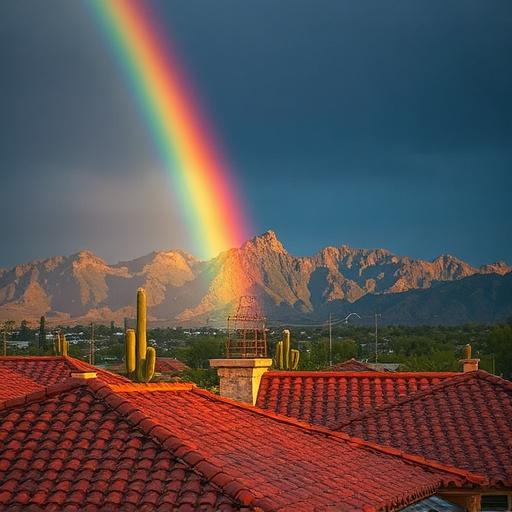
The approaching monsoon in Oro Valley brings both beauty and challenges for homeowners, particularly for roof protection. As wind-driven rain, hail, and microbursts become more frequent, preparing your roof is crucial to avoid costly storm damage. This is especially important for homeowners' associations (HOA) managing shared properties, as storm damage claims can significantly impact their budgets.
The damage from heavy storms can be subtle, with lifted shingles, broken tiles, and interior leaks going unnoticed until it's too late. This article provides a practical guide to help you inspect, repair, and protect your roof before the next storm, ensuring peace of mind and minimizing potential HOA storm damage claims. We'll offer practical tips and highlight the expertise of local specialists, empowering you to defend your roof against the elements.
- Assessing Roof Vulnerabilities Before Monsoon Season
- Storm-Proofing Your Roof: Essential Maintenance Steps
- Documenting HOA Storm Damage Claims Effectively
- Post-Monsoon: Roof Inspection and Repairs for Peace of Mind
Assessing Roof Vulnerabilities Before Monsoon Season
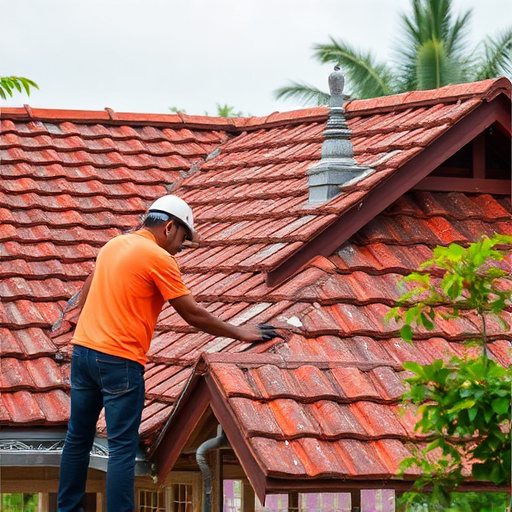
Before the monsoon season hits Oro Valley and Marana, it's crucial to assess your roof's vulnerabilities to minimize the risk of storm damage. As a resident of the Catalina Foothills, you're no stranger to intense weather events, and preparing your roof now can save you from costly repairs and potential HOA storm damage claims later. Here's a step-by-step guide to help you get started.
Start by examining your roof for signs of previous damage or areas that may be especially susceptible to wind and hail. Look for lifted or missing shingles, broken tiles, and signs of water intrusion. These issues can be further exacerbated by flying debris during a storm, leading to more extensive damage. A previous storm may have left loose tiles or flashing that, if not secured, could allow water to infiltrate and cause structural issues. A licensed Oro Valley area roofing contractor recommends taking photos of these areas as documentation in case of an insurance claim or HOA dispute.
Next, consider the type of roof you have. Different roof materials have varying levels of resistance to wind, rain, and hail. Flat roofs or those with lower slopes may be more vulnerable to leaks during heavy rainfall, while steeper roofs can better withstand strong winds. Understanding these vulnerabilities is key to prioritizing repairs. Check your roof's underlayment, flashing, and vents. These components play a vital role in water runoff and ventilation, and damage to these areas can lead to hidden storm damage, such as interior leaks, that may not be immediately apparent. Regular maintenance and prompt repairs can significantly reduce the risk of these hidden issues.
In preparation for the next monsoon, consider consulting with a local roofing expert or public adjuster to assess your roof's overall health and to discuss potential storm damage repairs. They can provide valuable insights into areas that may need immediate attention and help guide you through the process of filing an HOA storm damage claim if necessary. Remember, early preparation and thorough inspections can save you from the hassle and cost of dealing with extensive storm damage repairs and claims.
Storm-Proofing Your Roof: Essential Maintenance Steps
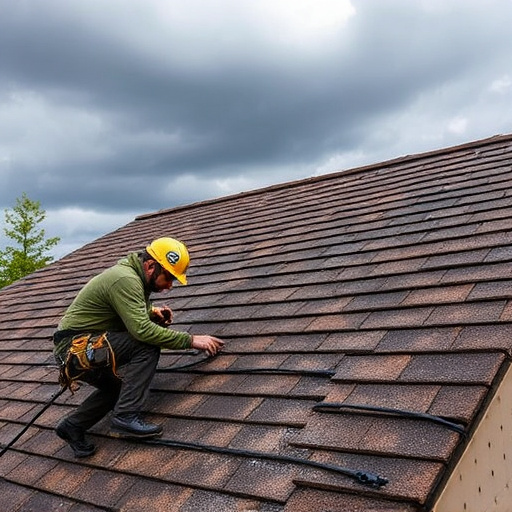
Preparing your roof for the next monsoon involves specific steps designed to fortify it against the powerful forces of wind, rain, and debris that come with intense weather events. This is particularly important in Oro Valley, where wind exposure near Pusch Ridge can exacerbate damage from microbursts and haboobs. A roofer with an Arizona ROC license emphasizes the importance of proactive maintenance, noting that many storm-related issues could be averted with proper care.
One of the first steps in storm-proofing your roof is to photographically document its current condition. This serves as a valuable reference if damage does occur. Take close-up shots of individual shingles, the underlayment, and any existing leaks or flashing issues. If lifted shingles or broken tiles are evident, take specific pictures of these areas, as they are common indicators of storm damage. In the event of a severe storm, this documentation will be crucial for your HOA storm damage claim. It provides clear evidence of pre-existing conditions and can help expedite the claims process.
Regularly inspecting your roof for loose tiles or damaged flashing is also crucial. Secure any loose tiles before the monsoon season arrives, as strong winds can exacerbate these issues, leading to interior leaks after heavy rain. Similarly, inspect and repair storm-damaged flashing and parapets, as these components play a vital role in protecting your home from flash flood runoff. Remember, hidden storm damage can go unnoticed for months, so regular maintenance is key. A local roof expert might recommend a thorough inspection every six months to ensure your roof is in top condition.
Finally, be aware of potential damage from flying debris, lightning, and tree limbs. These hazards are common during severe storms and can lead to significant roof damage. Regular trimming of trees near your roof and strong, secure fastening of solar panels and skylights can mitigate these risks. Consider the impact of hail size on your roof type; different shingle styles and underlayments have varying resistance to hail damage. This knowledge, coupled with professional advice from certified storm experts, will help you navigate the next monsoon season with confidence.
Documenting HOA Storm Damage Claims Effectively

Documenting storm damage, especially during the monsoon season, is a crucial step for homeowners and community associations (HOAs). When a severe storm hits Oro Valley and Marana, it's not just the physical damage that needs immediate attention; proper documentation is vital for insurance claims, ensuring a smoother process for repairs. This is where effective recording of HOA storm damage claims comes into play, serving as a reliable guide for both residents and insurance adjusters.
The process begins with a thorough inspection, documenting every visible sign of damage. Lifted shingles, broken tiles, and visible flashing issues are common indicators. A roofing contractor serving Oro Valley and Marana might recommend using high-resolution photography to capture these details. This visual evidence becomes a powerful tool when presenting the claim to an insurance adjuster. It's essential to note down any hidden damage as well; hidden storm damage can include compromised underlayment or interior leaks that might not be immediately apparent. A public adjuster, specializing in roof claims, can provide valuable guidance on this.
Next, focus on the overall condition of the roof and surrounding areas. Did the storm bring heavy rain that led to flash flood runoff? Did a microburst or haboob cause significant damage? Documenting these factors helps when assessing the scope of repairs. Take note of any tree limb damage and its potential impact on the roof. After the initial assessment, prompt estimates and repairs become crucial. The roofing industry's expertise, coupled with accurate inspection pros' knowledge, ensures a swift response to these storm damage claims. Remember, a well-documented claim, backed by professional assessments, speeds up the process, providing peace of mind for any homeowner or HOA facing post-storm roof repairs.
Post-Monsoon: Roof Inspection and Repairs for Peace of Mind
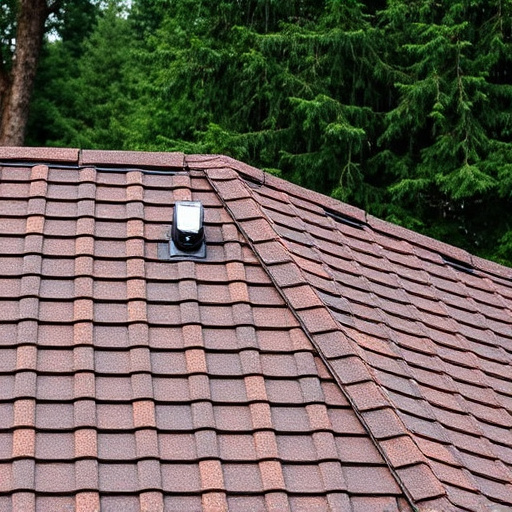
After the monsoon has passed, a thorough roof inspection is crucial to ensure your home in Oro Valley, especially in areas like Rancho Vistoso, is protected against future storms. This post-monsoon assessment is not just about identifying visible damage, like lifted shingles or broken tiles, but also uncovering hidden issues that could lead to interior leaks or structural problems. Severe wind exposure near Pusch Ridge might have caused damage to your roof's underlayment, flashing, or parapets-all crucial components that protect your home from the elements.
The process begins with a meticulous examination of your roof. Look for signs of hail damage, which can vary by roof type, from dented metal to lifted or cracked shingles. If you notice any lifted shingles or broken tiles, securing them before the next monsoon is essential. A roofer with an Arizona ROC license can help by providing a quick assessment and urgent quote, ensuring these loose components are fixed promptly. Check for storm-related damage to your roof vents, skylights, and solar panels, which can be vulnerable to flying debris and wind-driven rain.
Once the immediate repairs are addressed, it's time to document the damage for potential insurance claims, especially when dealing with an HOA. Photography is key here; capture clear images of the affected areas, including close-ups of any lifted shingles, damaged flashing, or interior leaks. These will be invaluable when filing a storm damage insurance claim, which could cover repairs for hail, wind, or lightning damage. Remember, some insurance companies may require a second assessment before approving a claim, so plan accordingly and consider working with a reputable public adjuster who understands the local storm damage landscape. By taking these proactive steps, you'll not only protect your home but also ensure a smoother process when dealing with potential HOA storm damage claims.
Frequently Asked Questions About seasonal advice on preparing a roof for the next monsoon
What is the best time to prepare my roof for the monsoon season?
The optimal time to get your roof ready for the monsoon is during the dry season, specifically a month or two before the expected onset of rainfall. This allows for thorough inspections, repairs, and installations without the challenges of heavy rainfall and strong winds. Timing is crucial; DC Roofing of Arizona, a local Oro Valley roofer, recommends scheduling these preparations in late spring or early summer to ensure your roof is in top condition when the monsoon hits.
How do I know if my roof needs repairs before the monsoon?
Regular maintenance is key. Look for signs of damage such as missing or broken shingles, leaks, or discolored spots on the decking. The Arizona ROC-licensed contractor at DC Roofing suggests performing a visual inspection every few months. Any identified issues should be addressed promptly, as monsoon winds can exacerbate problems, potentially leading to costly, extensive repairs.
What repairs should I prioritize before the monsoon?
Focus on repairs that enhance structural integrity and water protection. This includes fixing or replacing damaged shingles, sealing leaks, and repairing or replacing flashing. These measures safeguard your home against potential water damage, a common issue during heavy monsoon rains.
Can I install a new roof before the monsoon?
Absolutely. Many installations can be completed within one to two days, allowing ample time for any unforeseen issues to be addressed before the monsoon. A new roof provides peace of mind and protection against potential weather-related damage.
What materials are best for a monsoon-ready roof?
For monsoon conditions, choose durable, high-quality materials designed to withstand strong winds and heavy rainfall. Metal roofing is a popular choice due to its superior wind resistance and long-lasting nature. Clay or concrete tiles are also suitable, offering excellent protection against the elements.
Should I consider a roof coating before the monsoon?
A roof coating can provide an extra layer of protection against water penetration and UV damage. However, it's not a substitute for repairs. Consider coating if your roof is in good structural condition but could benefit from extra weather resistance. Always consult with a licensed roofer to ensure the coating is appropriate for your specific roof.
As the monsoon season approaches, preparing your roof is crucial to mitigate potential storm damage and ensure your home's integrity. By assessing roof vulnerabilities, conducting essential maintenance, and understanding the process of HOA storm damage claims, you can significantly reduce the risks associated with severe weather. Regular inspections and prompt repairs are key; they not only protect your property but also offer peace of mind.
Start by identifying areas prone to damage, such as those with wind exposure near Pusch Ridge or past history of microbursts. Addressing these vulnerabilities proactively can prevent costly repairs later. Implement storm-proofing measures, like securing loose tiles and reinforcing underlayment, to fortify your roof against high winds and flying debris. Regularly photographing your roof and documenting any damage can aid in streamlining insurance claims, especially when filing through an HOA.
In the event of a storm, quickly assess for interior leaks and inspect for hidden damage. Be alert for signs like lifted shingles, broken tiles, or storm-damaged flashing and parapets. Remember, the second storm can be just as destructive as the first, so repairs should ideally be completed before the next weather event.
Post-monsoon, a thorough roof inspection is essential. Look for hail damage, solar panel malfunctions, or damage to roof vents and gutters. If storm damage is extensive, consider hiring a public adjuster to help navigate the claims process, ensuring you receive the compensation you deserve. Regularly maintaining and preparing your roof for the monsoon season is an investment in your home's long-term protection, offering both security and financial stability.
Prepare Your Oro Valley Roof for Monsoon Season:
1. Inspect for Damage: Examine your roof for signs of previous damage, focusing on lifted or missing shingles, broken tiles, and water intrusion. Document these areas for insurance claims.
2. Assess Roof Type and Components: Understand your roof's vulnerability to wind, rain, and hail. Check underlayment, flashing, and vents, as these are crucial for water runoff and ventilation.
3. Consult a Roofing Expert: Consult a local contractor or public adjuster to assess your roof's health and discuss storm damage repairs. They can provide insights into immediate attention areas and guide HOA storm damage claims.
4. Document for Claims: Take detailed photos of storm damage, including close-ups of lifted shingles, damaged flashing, and interior leaks. This documentation is vital for insurance and HOA claim processes.
5. Address Hidden Issues: Be aware of potential hidden storm damage, such as compromised underlayment or interior leaks. Regular maintenance and prompt repairs can prevent these issues.
6. Protect Against Future Storms: After the monsoon, inspect your roof thoroughly, addressing visible and hidden damage. Secure loose shingles, fix flashing issues, and protect vulnerable areas like vents and solar panels.