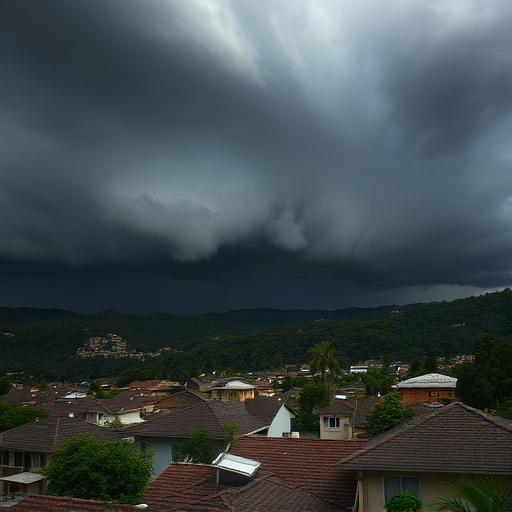
In the rugged landscape of Arizona, where monsoon storms and microbursts can leave a trail of destruction, proper roof insurance claims are crucial for homeowners. Damage from wind-driven rain, hail, and microbursts is common, yet navigating the claims process can be daunting. Many homeowners are unaware of the first steps after storm damage, such as photographing roof damage, securing loose tiles before monsoon, and understanding hidden storm damage. This article provides a plain-language walk-through of the roof insurance claim process in damage checklist, highlighting the expertise and credentials required to handle microburst roof repair and other storm-related issues effectively. By the end, readers will have a clear understanding of their rights and the steps to secure financial protection and prompt repairs.
- Reporting Storm Damage: Quick & Accurate
- Microburst Roof Repair: Step-by-Step
- Claim Settlement & Reconstruction: Back to Normal
Understanding Your Coverage: The Foundation

Understanding your roof insurance coverage is a crucial first step when navigating the aftermath of severe weather events, especially in Oro Valley and Marana. Storms, including microbursts, are frequent occurrences in Arizona, leading to widespread wind damage and water intrusion. These powerful forces can leave behind a trail of destruction, from lifted shingles and broken tiles to damaged flashing and scuppers.
When dealing with a storm-related claim, it's essential to know your policy's specifics. Your insurance provider will determine what is covered and how repairs are handled. Some policies have specific exclusions, such as damage from flash floods or lightning strikes, which may require separate coverage or add-ons. A roofing contractor serving Oro Valley and Marana will often have experience with these complexities, guiding you through the process and ensuring your claim is accurate and comprehensive.
The foundation of a successful claim lies in understanding your coverage for wind damage and water intrusion. Wind-driven rain can cause tile leaks and other roofing issues, while microbursts, intense localized thunderstorms, are notorious for lifting shingles and causing extensive damage. Proper documentation and photography of these issues are vital. Keep detailed records of all damage, including dates, descriptions, and, if possible, cost estimates for repairs. This comprehensive approach will help streamline the claims process and ensure you receive the necessary coverage for your storm-damaged roof.
Reporting Storm Damage: Quick & Accurate
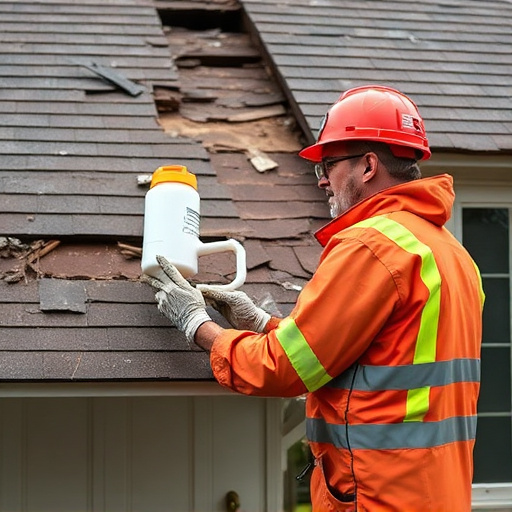
When dealing with storm damage, especially during Arizona's monsoon season, a quick and accurate report is crucial. This initial step sets the stage for a seamless insurance claim process, ensuring your roof gets the attention it needs from your insurance provider and experts like DC Roofing of Arizona.
The first 72 hours after a storm are critical. Documenting damage, including lifted shingles, broken tiles, and storm-driven water leaks, should be your top priority. Take clear, detailed photographs of the affected areas, noting any microburst roof repair needs. Remember, wind damage can often leave signs like torn underlayment or flashing, which could lead to interior leaks. Keep a keen eye for hidden damage, such as flashing or parapets affected by wind exposure near Pusch Ridge, as these are common spots for storm-related issues. If you notice any interior leaks after heavy rain or flash flood runoff, document them immediately. Even tree limb damage to your roof should be noted and photographed for insurance purposes.
Reporting this information accurately and promptly to your insurance company is essential. Provide them with a detailed account of the storm's impact, including the type of damage and its extent. If the storm brought hail of a certain size, specify its impact on your roof. Be prepared to share your findings from your initial assessment, like the condition of your roof shield, underlayment, and vents. Don't forget to mention any damage to your gutters, as these can be easily overlooked but are crucial for proper water drainage. The faster you report, the quicker your claim process can begin, potentially helping to prevent a second storm from causing further damage before repairs can start.
Microburst Roof Repair: Step-by-Step

When faced with a microburst roof repair in Oro Valley, Arizona, understanding the step-by-step insurance claim process is crucial. Here's a breakdown of the key actions to take, focusing on getting your roof back in top shape after a storm.
First, document the damage. After a storm, inspect your roof for any visible signs of damage, such as cracked or lifted tiles. Take detailed photographs of these areas, as these will be essential for your insurance claim. Next, contact your insurance company. Notify them promptly about the storm damage, providing them with your policy details and the date of the storm. An experienced Oro Valley roof specialist can also assist with this step, ensuring your claim is accurately documented.
An insurance adjuster will likely be assigned to your claim. They will arrange an inspection to assess the extent of the damage. During this inspection, provide the adjuster with all your documentation, including photographs. This step is crucial as it helps in expediting the claim process. Be prepared to discuss the potential causes of the damage, especially if it's from wind-driven rain or hail. An adjuster may ask about the age and type of your roof, as different materials and designs can be more susceptible to certain types of storm damage.
Once the adjuster has completed their assessment, they will provide an estimate for the repair work, including any replacement of cracked tiles or damaged underlayment. Understanding your policy's deductible is vital. This is the amount you're responsible for paying out of pocket before insurance covers the rest. After reviewing the estimate, you can either approve the work or request a re-inspection if you believe the estimate is too high. In the event of significant damage, a second storm before repairs can be completed isn't uncommon, and your insurance company will need to be made aware of this. Remember, the goal is to ensure your roof is safe and secure after a storm, so be proactive in the claim process, especially when dealing with hidden storm damage.
Claim Settlement & Reconstruction: Back to Normal

After a storm hits Oro Valley, the immediate concern is safety, followed closely by assessing the damage. If your roof has been affected, the process of filing an insurance claim and repairing your roof can seem daunting. This section guides you through the steps to restore your roof to its pre-storm condition, focusing on claim settlement and reconstruction.
The first step is to photograph the damage thoroughly. These images serve as critical proof of loss for your insurance provider. Documenting the extent of the damage, including hail damage in Rancho Vistoso or microburst roof repair in Oro Valley, is essential. Be sure to capture close-ups of any lifted shingles, broken tiles, or storm-damaged flashing and parapets. Also, take pictures from the ground to assess the overall condition of your roof. This documentation not only aids in the claim process but also helps your roofing contractor serving Oro Valley and Marana understand the scope of work required.
Once you've collected the necessary photos, contact your insurance company to initiate the claim. They will provide you with a claim number and specific instructions for the next steps. During this process, you may be asked to provide additional documentation, such as an itemized estimate from a licensed roofing contractor. Ensure your estimate includes a detailed breakdown of the repair work, including any necessary replacements and materials. This is where a local roofing expert can be invaluable, as they can navigate the claim process alongside you and ensure all damage is accurately accounted for.
After your claim is approved, reconstruction begins. This phase involves repairing or replacing damaged or destroyed roof components. If your roof suffered from flying debris or tree limb damage, the contractor will secure any loose tiles before the onset of the next monsoon season. They will also address any storm damaged underlayment and roof vents, ensuring your home is protected from future storms. In some cases, especially after a second storm before repairs are completed, interior leaks may occur. Promptly addressing these issues prevents further damage and ensures the safety of your family. Always choose a reputable roofing contractor with a proven track record, like DC Roofing of Arizona, to ensure the highest quality of work and peace of mind throughout the reconstruction process.
Frequently Asked Questions About a plain language walk through of the roof insurance claim process in Arizona
What is the first step in filing a roof insurance claim in Arizona?
The first step is to contact your insurance provider directly. Promptly report the damage by calling the claims hotline or using the company's online claim filing system. Be prepared with detailed information: a description of the damage, photos, and your policy number. DC Roofing of Arizona, a licensed Oro Valley area roofing contractor, recommends keeping thorough records of all communication and documentation throughout the process.
What types of damages to my roof are typically covered by insurance?
Most home insurance policies cover damage from storms, hail, wind, and some types of water damage, like leaks caused by severe weather. However, not all damage is covered. Exclusions may include damage from wear and tear, earthquakes, or flooding. Always review your policy for specific details about what's covered.
How soon after discovering damage should I file a claim?
The sooner, the better. In most cases, you should file a claim as soon as possible after discovering roof damage. Many insurance companies have time limits for filing claims, and waiting could result in a denial. As a general rule, most installations take one to two days, so act quickly to ensure your claim is processed efficiently.
Who will assess the damage and how is the claim settled?
An insurance adjuster will typically assess the damage. They will inspect your roof, take measurements, and photograph the damage. The adjuster will then determine the cost of repairs and either approve the claim or deny it based on the policy's terms. If approved, they will issue a payment or a check for the repair costs.
Can I negotiate with the insurance company if I disagree with their assessment?
Yes, you can dispute the insurance company's assessment. Keep detailed records of the damage and any communication with the adjuster. If you believe the claim was denied in error or that the repair costs are insufficient, you can contact your insurance provider again to discuss your options. Consider consulting with a licensed roofing contractor, like DC Roofing of Arizona, who can provide expert advice during this process.
What if my insurance company denies my claim? Are there other options?
If your claim is denied, don't give up. You can appeal the decision by providing additional evidence or requesting a review. Some policies also offer alternative dispute resolution options, like mediation or arbitration. Consulting with a legal professional or a roofing specialist who understands insurance policies can help guide you through these options.
Navigating a roof insurance claim in Arizona, especially after storm damage, requires a comprehensive understanding of your coverage and a strategic approach to repairs. Key takeaways from this guide include the importance of:
- Quick and accurate reporting of storm damage to minimize delays in your claim process.
- Recognizing the unique challenges posed by microburst roof repairs, and understanding the step-by-step process involved in addressing them effectively.
- Effective claim settlement that leads to a successful reconstruction phase, restoring your home to its pre-storm condition.
By following these guidelines and working with reputable, licensed professionals like DC Roofing of Arizona, you can confidently navigate the roof insurance claim process. Remember, the first step after any storm is to assess the damage from the ground, photograph it, and secure loose tiles before the next storm hits. The timeline for repairs, typically one to two days for most installations, should be communicated clearly, and any hidden storm damage should be addressed promptly.
Key Takeaways:
- Understand your roof insurance coverage after severe weather events, especially microbursts, in Oro Valley and Marana.
- Document storm damage, including lifted shingles, broken tiles, and water leaks, with detailed photographs.
- Report damage promptly to your insurance company, providing a detailed account and findings from your initial assessment.
- For microburst roof repair, follow these steps: document, contact insurance, have an adjuster inspect, review the estimate, and approve or request re-inspection.
- After a storm, photograph damage thoroughly, initiate an insurance claim, and work with a licensed contractor for reconstruction, ensuring quality work.