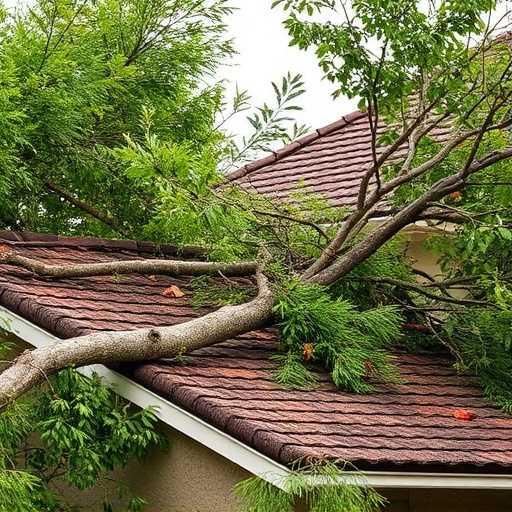
Storms can leave behind subtle yet costly damage that goes unnoticed for weeks. This hidden storm damage, often revealed only after closer inspection or during the next monsoon, can include lifted shingles, broken tiles, interior leaks, and storm-damaged flashing. Properly documenting this damage is crucial, especially when filing an insurance claim. The first step is to photograph roof damage thoroughly and accurately from both the ground and aerial perspectives. This guide provides a comprehensive checklist to help you identify and document hidden storm damage, ensuring you're prepared to protect your Oro Valley home and secure the necessary repairs.
- Assessing Long-Term Roof Damage Signs
- Documenting Hidden Storm Damage Naturally
- Recognizing Delayed Roof Leak Indicators
- When to Call a Professional for Inspection
Assessing Long-Term Roof Damage Signs
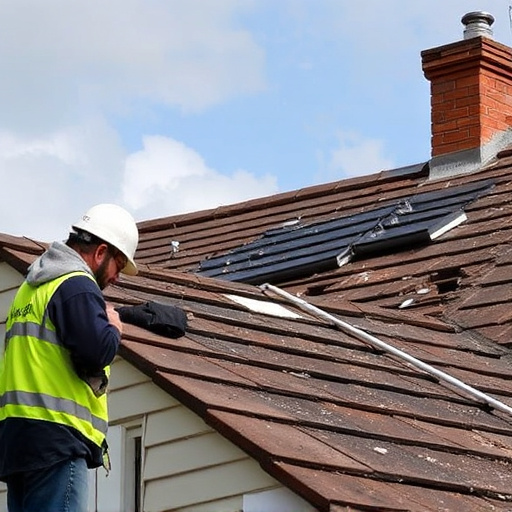
Hidden storm damage, often revealed weeks after a severe weather event, can be particularly insidious, especially for roofs. In the case of microbursts, which can occur suddenly and violently in Oro Valley and Marana, identifying signs of long-term damage is crucial. A licensed Oro Valley area roofing contractor recommends regular, thorough inspections to catch potential issues early.
One of the most telling signs is the presence of lifted shingles or broken tiles, which may not be immediately noticeable after a storm. Hail, especially from intense storms, can cause significant damage, leaving behind distinct patterns of impact marks on various roof types. Asphalt shingles can be lifted and curled, while metal roofing may bear the brunt of hail, with dents or punctures. It's also important to examine flashing and parapets, as storm damage can weaken these vital components, leading to interior leaks. Tree limbs, during severe wind, can cause substantial roof damage, from broken branches to uprooting, resulting in significant structural issues.
Photographing roof damage is a valuable tool for both homeowners and professionals. High-quality images can capture details that may be missed during a visual inspection. Look for signs of water intrusion, especially in the interior, which could indicate previous leaks. Flash flood runoff can cause substantial damage, so check for water stains or discolored areas on the roof and ceilings. Securing loose tiles before the onset of monsoon season is essential to prevent further deterioration. Storm-related damage may also extend to roof vents, skylights, and solar panels, which can be dislodged or damaged by flying debris. Keep an eye out for these hidden indicators, and if significant damage is suspected, consult with a certified storm expert for an accurate assessment.
Documenting Hidden Storm Damage Naturally
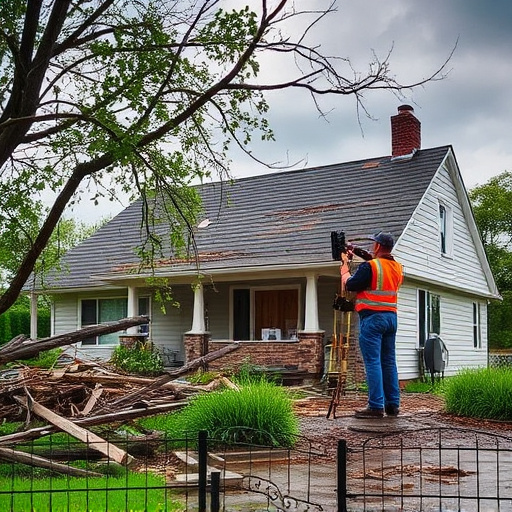
Hidden storm damage can often go unnoticed for weeks after a severe weather event, posing significant risks to your home's integrity. Documenting this damage is crucial for insurance claims and future repairs. A licensed Arizona roofer recommends implementing a natural and systematic approach to photographing roof damage. This method ensures that you capture all signs of hidden hazards, enabling you to effectively communicate the extent of the storm's impact.
Start by examining your roof for any lifted or missing shingles, broken tiles, or signs of water intrusion. Look for discolored or curled underlayment, as this could indicate moisture penetration. The wind exposure near Pusch Ridge in Oro Valley and Marana increases the risk of damage, so pay special attention to areas where wind could have easily reached. Don't overlook the flashing, as storm-related damage to this crucial component can lead to interior leaks. Use natural light to illuminate hidden problem areas, and photograph from multiple angles to capture all dimensions of the damage.
To the roof, check for storm damage to your gutters, skylights, solar panels, and flashing around chimneys and vents. Look for signs of hail damage, as different types of roofing materials respond uniquely to this type of assault. Tile roofs may have lifted or broken shingles, while metal roofing could show signs of denting or peeling. Keep a close eye on the exterior of your home, as tree limbs that broke during a storm can cause significant roof damage, sometimes leaving behind sharp debris. Documenting these hidden storm damage sites with clear, well-composed photographs will be invaluable when filing an insurance claim or working with a public adjuster and your chosen contractor, like DC Roofing of Arizona, a local expert with an Arizona ROC license.
Recognizing Delayed Roof Leak Indicators
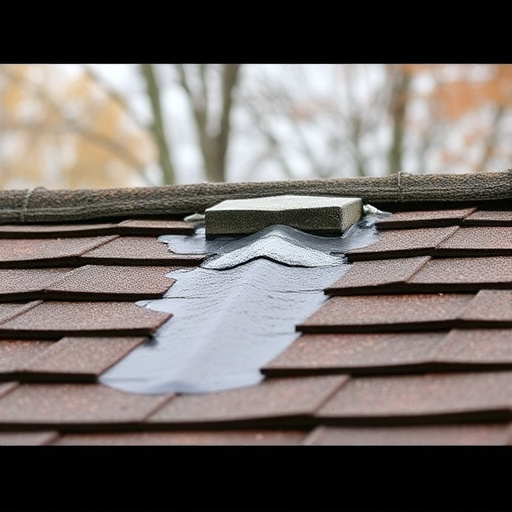
Hidden storm damage, often not visible right away, can manifest as leaks or structural issues weeks after a severe weather event. This is particularly true for roofs, which are vulnerable to damage from hail, strong winds, and water intrusion. Recognizing delayed leak indicators is crucial, as prompt action can prevent extensive and costly damage.
One of the most reliable signs of potential hidden damage is the presence of water stains or discolored areas on ceilings or walls, especially in rooms farthest from the main water supply. These may not appear immediately but can develop as moisture seeps through the roof. Even small cracks or lifted shingles could have allowed water to infiltrate the underlayment, causing interior water damage over time. Scuppers, the drainage channels along the edge of the roof, should be free of debris and functioning properly. Blocked scuppers can lead to water pooling and potential leaks, so regular inspection is vital, especially after storms.
Photographing roof damage before and after storms is a valuable practice. These images can help both homeowners and a licensed Oro Valley area roofing contractor, like DC Roofing of Arizona, identify subtle issues. Look for signs like missing or damaged shingles, especially those on the windward side of the roof, where wind exposure near Pusch Ridge might be more intense. Also, inspect the flashing around chimneys and vents, as these areas are common leak points. Hail damage can vary in size and severity, but even small hail can puncture shingles and create paths for water intrusion. Regular maintenance and securing loose tiles before the monsoon season can significantly reduce the risk of hidden storm damage.
When to Call a Professional for Inspection

Many storm damages may not be immediately apparent, revealing themselves weeks or even months after the event. This delayed visibility can make it challenging to recognize and document hidden issues. If you suspect storm damage but aren't sure where to start, consider these guidelines.
When to Call in a Professional
Photographing roof damage is a crucial step in assessing hidden storm damage. It provides a visual record that can help both you and a qualified roofing contractor serving Oro Valley and Marana identify issues that may have been missed. Documenting the damage early can streamline the claims process and ensure you receive the necessary repairs. Photograph any lifted or missing shingles, broken tiles, or evidence of water intrusion. These visual aids can be invaluable when filing a storm damage insurance claim.
Don't wait for the second storm to hit. Immediate action is often key to preventing further damage. Water intrusion, for example, may not be apparent initially but can lead to significant interior leaks and mold growth if left unaddressed. Similarly, storm-driven wind and debris can cause hidden damage to flashing, parapets, and gutters. A roofing expert can inspect these areas and assess the extent of the damage, especially in areas with high wind exposure, like near Pusch Ridge.
If you notice persistent interior leaks after heavy rain, spot damage from the ground that seems out of place, or suspect hidden issues like storm damaged underlayment, it's time to call a professional. A licensed roofer with experience in post-storm restoration can conduct a thorough inspection, looking for signs of microburst damage, hail size, lightning strikes, or flash flood runoff. This expert assessment will ensure that you receive the proper repairs, whether it's securing loose tiles before the next monsoon or fixing a storm-damaged skylight or solar panel.
Frequently Asked Questions About a guide to spotting hidden storm damage that shows up weeks later
What should I look for to identify hidden storm damage?
Hidden storm damage can manifest in various subtle ways. Keep an eye out for unexpected cracks in walls or ceilings, especially around windows and doors. Look for discolored spots on ceilings or walls, which could indicate water infiltration. Check for warped or loose boards on your roof, as these may signal leaks or structural weakness. Also, pay attention to musty odors, as they often signal moisture issues behind walls or in attics. Don't overlook changes in your utility bills, as increased electricity or water usage could point to hidden problems.
How long after a storm should I inspect my property?
While immediate post-storm inspections are ideal, hidden storm damage may not become apparent until several weeks later. Wind, debris, and initial flooding can mask issues, and it takes time for moisture to cause structural problems or mold growth. Aim to conduct a thorough inspection two to three weeks after a severe storm to catch any delayed damage.
Who should I contact if I find hidden storm damage?
If you discover hidden storm damage, contact a licensed and experienced Oro Valley area roofing contractor, such as DC Roofing of Arizona. They have the expertise to assess the damage, pinpoint the source, and recommend appropriate repairs. Don't attempt to fix serious issues yourself; a professional contractor ensures the work is done correctly, safely, and in compliance with local building codes.
How can I prevent storm damage in the first place?
While preventing all storm damage is challenging, several steps can mitigate the risk. Regularly maintain your roof, gutters, and downspouts to remove debris and ensure proper drainage. Consider impact-resistant roofing materials and windows for areas prone to severe weather. Create a safe escape plan for your household and ensure everyone knows where to meet if a storm hits. Lastly, invest in a home insurance policy that covers storm damage to protect yourself financially.
What if I have a mold problem from storm damage?
If you suspect mold growth due to storm damage, don't delay. Contact a professional mold remediation service. They have the specialized equipment and expertise to safely remove mold and prevent further contamination. Proper mold removal is crucial for both your health and the structural integrity of your home.
After assessing your roof for immediate storm damage, documenting hidden signs through natural means, understanding delayed leak indicators, and knowing when to call professionals, you're now equipped to navigate the aftermath of a storm. The key is to remain vigilant. Regularly inspect your roof, especially before and during monsoon seasons, securing loose tiles and checking for signs of lifted shingles or broken tiles. Be mindful of potential interior leaks, even after seemingly calm weather, as storm-driven wind and heavy rain can cause damage that shows up weeks later.
Photographing roof damage naturally, with a focus on specific details, is invaluable. These images can serve as crucial evidence for insurance claims, especially when combined with detailed notes on when and how the damage was observed. By documenting hidden storm damage early, you can ensure timely repairs, protecting your home and investment. Remember, prompt action is key to minimizing long-term damage and ensuring peace of mind during and after severe weather events.
Hidden storm damage on roofs can go unnoticed for weeks, posing significant risks. A licensed Oro Valley area roofing contractor recommends regular inspections and photographing damage to catch potential issues early. Key signs include lifted/broken shingles, hail damage patterns, water intrusion, and weakened flashing. Documenting damage naturally with high-quality images aids in insurance claims and repairs, especially for microbursts and intense storms near Pusch Ridge. Act promptly, as delayed leaks can cause extensive damage, and consult with a storm expert for accurate assessments.