Storms, especially the fierce monsoon season in Oro Valley, can leave a trail of destruction, particularly on your roof. Understanding how hail, microbursts, and wind-driven rain impact tile, foam, and shingle roofs is crucial for every homeowner. These powerful forces can cause lifted shingles, broken tiles, and hidden storm damage, leading to interior leaks and structural weaknesses. The first steps after storm damage are critical, from securing loose tiles before the next storm to photographing the damage for an insurance claim. DC Roofing of Arizona, a local storm restoration expert, provides an in-depth guide on navigating these challenges, ensuring your roof is protected and repairs are swift and effective.
- Assess Storm Damage: Initial Inspection After Hail or Microburst
- Understand Roof Damage Types: Tiles, Foam, and Shingles Affected
- First Steps After Storm Damage: Immediate Roof Repair Considerations
- Long-term Roof Repair and Prevention: Safeguarding Against Future Events
Assess Storm Damage: Initial Inspection After Hail or Microburst
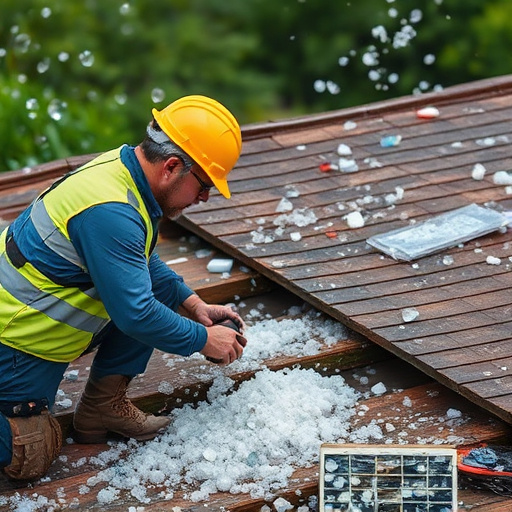
After a storm, the first steps after storm damage are crucial. As a homeowner, your initial assessment can help guide your actions and protect your property. When hail or a microburst hits, it can leave a trail of destruction on your roof-tile, foam, and shingles are particularly vulnerable. Inspecting your roof for damage is a critical first step, and it's best to do this carefully and thoroughly.
Start by walking around your property, looking for visible signs of impact. Check for lifted shingles, broken tiles, or any visible signs of wind exposure. These are common indicators of storm damage. A microburst can generate powerful winds that can lift shingles and create hidden damage. Pay close attention to areas near trees or structures that could have acted as launch pads for debris. Also, examine your roof's scuppers (downspout outlets) for blockages or damage. A blocked scupper can lead to interior leaks, especially after heavy rain.
Document your findings with photographs, noting specific locations and types of damage. This visual evidence will be invaluable if you need to file a storm damage insurance claim. If you spot significant damage or are unsure, don't hesitate to contact a licensed professional like DC Roofing of Arizona. An expert roofer with an Arizona ROC license can perform a thorough inspection, pinpoint hidden damage, and provide accurate estimates for repairs. This early, professional assessment can help you navigate the claims process and ensure your roof is repaired properly, protecting your investment and your home.
Understand Roof Damage Types: Tiles, Foam, and Shingles Affected
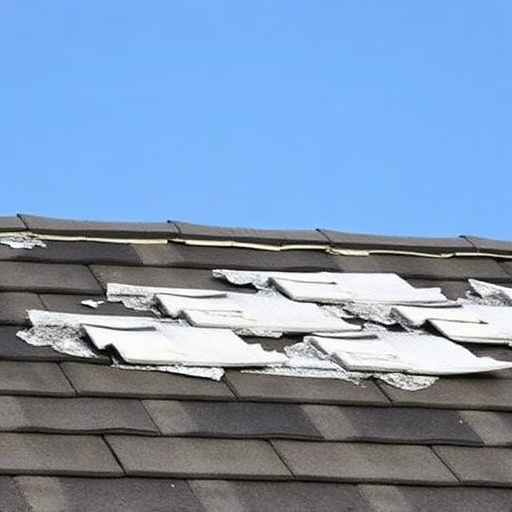
Roof damage from hail, microbursts, and intense winds is a common occurrence in Oro Valley during monsoon season. Understanding the specific impact these storms have on different roofing materials is crucial for homeowners and property managers. This section examines the unique challenges posed by tiles, foam, and shingles when faced with hail, microbursts, and wind-driven rain.
Tiles, whether clay or concrete, are vulnerable to cracks and chips from hail, especially large hailstones. A microburst or strong winds can lift and blow off loose tiles, exposing the underlayment and creating potential water intrusion. Homeowners should photograph the damage and document the extent of the issue. This detailed photo documentation aids insurance adjusters in assessing claims accurately. A licensed Arizona roofer can assess the situation, securing loose tiles before the next storm and recommending repairs to prevent further damage.
Foam roofs, popular for their energy efficiency, are not immune to storm damage. High-speed winds can tear at the foam, exposing the underlayment and causing water leakage. Hail can also puncture the foam, leading to interior water damage. When dealing with storm-related foam damage, homeowners should contact a professional roofer for a thorough inspection. They can assess hidden storm damage and provide a swift repair estimate, ensuring the roof is secure before the next heavy rain or storm.
Shingles, the most common roofing material, can be severely impacted by hail, microbursts, and strong winds. Lifted shingles often leave behind exposed nails and gaps that allow water to penetrate. In severe cases, microbursts can strip entire sections of shingles from the roof. Homeowners should check their roofs after a storm and first steps after storm damage include securing any loose shingles and covering damaged areas with tarps to prevent further water intrusion. An experienced roofing contractor can assess the extent of the damage, file an insurance claim, and initiate repairs promptly, ensuring the roof's structural integrity.
First Steps After Storm Damage: Immediate Roof Repair Considerations
Hail and microbursts pose significant risks to roofs, particularly in regions like Oro Valley, Arizona, known for their intense monsoon storms. These powerful forces can leave a trail of damage, affecting various roofing materials. Tile roofs, for instance, may experience cracked or broken tiles from hail impacts, while microbursts can lift and tear off shingles. Even foam roofs aren't immune; strong winds can cause these lightweight panels to shift or lift, requiring immediate attention.
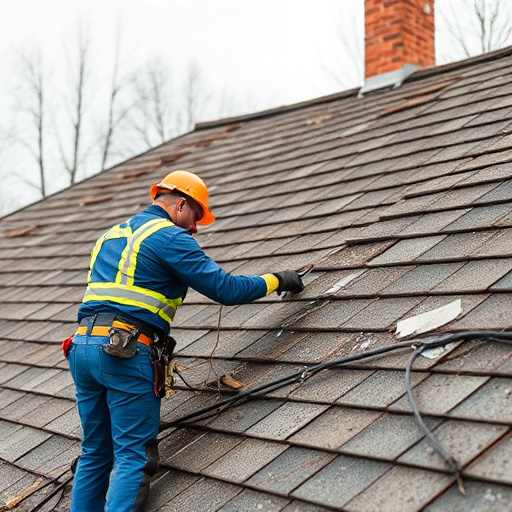
When facing the first steps after storm damage, the initial consideration is safety. If a microburst or severe hail event has occurred, stay away from the affected area until it's secured. Inspecting the damage from the ground is crucial, but be mindful of potential hazards like loose or fallen debris. Take photos of the damage for insurance claims; document lifted shingles, broken tiles, and any visible flashing issues. A photo of a lifted shingle can demonstrate the extent of the storm's impact.
Immediate repair considerations are vital to prevent further complications. DC Roofing of Arizona, a local expert in Oro Valley, recommends addressing roof leaks from interior sources as soon as possible. Check for water seepage, especially around the edges of the roof and in attics. If flashing is damaged, a roofer can make temporary repairs to cover the area until a more thorough fix is possible. Securing loose tiles or panels before the next storm is essential to protect the underlayment and avoid additional damage. This proactive approach, along with proper photo documentation, will be invaluable when filing a storm damage insurance claim.
Long-term Roof Repair and Prevention: Safeguarding Against Future Events
Hail and microbursts are formidable forces of nature that can leave significant damage in their wake, particularly to roofs. These storms, common in Arizona, pose a special challenge due to the diverse roofing materials used in the Oro Valley area. Whether it's tile, foam, or shingles, each type has its vulnerabilities.
When a hailstorm or microburst hits, the first step after storm damage is to assess the roof thoroughly. Look for cracked or broken tiles, lifted shingles, and any signs of structural damage. An experienced Oro Valley roof specialist recommends inspecting both the exterior and interior of the roof to identify hidden damage. Interior leaks after heavy rain might indicate compromised flashing or underlayment, which could have been caused by flying debris or strong winds. In areas near Pusch Ridge, where wind exposure is a factor, these storms can be particularly severe, so a thorough post-storm evaluation is crucial.
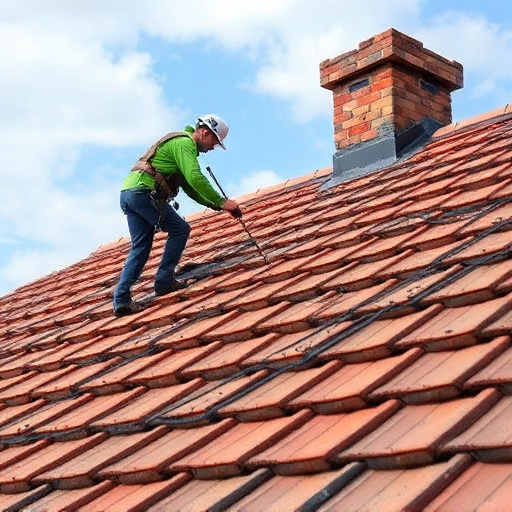
Long-term roof repair and prevention involve addressing not just the immediate damage but also the underlying issues that made the roof vulnerable. For tile roofs, for example, severe hail damage might require replacing missing or cracked tiles. An Arizona ROC-licensed roofer can secure loose tiles before the monsoon season, preventing further damage from potential second storms. With foam roofs, the focus might be on repairing or replacing damaged underlayment to ensure the roof's integrity. Shingle roofs may need new shingles or a complete re-roofing job if the storm caused widespread lifting and damage. In the case of microbursts, which can generate powerful winds, it's essential to check for loose flashing, parapets, and gutters. A storm chaser roofer should be avoided, as they often prioritize speed over quality work and can cause additional hidden damage.
Proactive measures can significantly reduce the impact of future storms. Regular maintenance, including inspecting for loose tiles, re-securing underlayment, and replacing worn-out components, can help safeguard the roof. Ensuring proper drainage and addressing any flash flood runoff issues near the roof can prevent water damage. When filing a storm damage insurance claim, document all damage thoroughly and consult with a public adjuster if necessary. Remember, the first steps after storm damage are critical, but long-term protection involves continuous care and a proactive approach to roof maintenance.
Frequently Asked Questions About an explainer on how hail and microbursts damage tile, foam and shingle roofs
What are the primary types of roof damage caused by hail and microbursts? Hail and microbursts can cause significant damage to various roof types, including tile, foam, and shingles. Hail impacts can chip, crack, or puncture these materials, while microbursts, intense localized tornadoes, can lift and throw debris, leading to extensive tearing and peeling. Tile roofs may suffer from broken or dislodged tiles, while foam roofs can sustain water intrusion and structural compromise from punctures. Shingle roofs often experience torn or missing shingles, underlayment damage, and potential water leakage.
How do hailstorms specifically affect tile roofs? Hail, with its high velocity impact, can seriously damage tile roofs. Large hailstones can break or shatter ceramic, concrete, or clay tiles, exposing the underlayment to potential water damage. Even small hail can create hairline cracks, compromising the integrity of the roof over time. Regular inspection and proper hail damage repair are crucial to maintain the roof's structural soundness and water-tightness.
Can microbursts cause any long-term effects on roofs? Microbursts, though short-lived, can have lasting impacts on roofs. The intense winds can cause severe tearing of shingles and underlayment, leading to leaks and, if left unaddressed, structural roof damage. Microbursts can also dislodge or blow off entire sections of roofing material, requiring extensive repairs or even a full replacement.
What steps should homeowners take after a hailstorm to assess their roof damage? After a hailstorm, homeowners should conduct a thorough inspection of their roof. Look for broken or missing shingles, tiles, or other roofing materials. Check for leaks, water stains, or signs of water intrusion. Document the damage with photos, and contact a licensed roofing contractor for a professional assessment. Timely action ensures the best outcomes for repairs and can prevent further complications.
Are there specific signs of microburst damage on foam roofs? Microbursts can cause distinct signs of damage on foam roofs. Look for punctures or large, circular patterns of missing or damaged foam panels. Water stains or signs of water intrusion from leaks are also indicators. If the foam insulation is exposed or appears bulged, it may have been lifted and damaged by the intense winds of a microburst.
In the aftermath of hailstorms or microbursts, homeowners often face the daunting task of assessing roof damage. Understanding the specific types of damage, such as tile cracks, foam compression, and lifted or broken shingles, is crucial for immediate and effective repairs. Following the initial inspection, the first steps after storm damage involve securing loose tiles, repairing flashing and parapets, and addressing interior leaks caused by wind-driven rain.
Long-term protection requires safeguarding against future events. This includes securing loose tiles before the monsoon season, inspecting underlayment for hidden damage, and being aware of the potential for second storms before repairs are complete. By implementing these key insights, homeowners can mitigate the impact of hail and microbursts, ensuring their roofs remain a reliable shield against the elements.
Promptly photographing roof damage and keeping records of repairs can be invaluable when filing a storm damage insurance claim. Engaging with reputable local roof experts, such as DC Roofing of Arizona, who specialize in storm restoration, can provide peace of mind and ensure the work is done right, protecting both the home and the investment.
After a storm, homeowners in Oro Valley, Arizona should:
- Inspect roofs for damage, focusing on tiles, foam, and shingles. Look for cracks, lifted shingles, and blocked scuppers.
- Document damage with photos, noting locations and types.
- Contact a licensed roofer like DC Roofing for thorough inspections and repairs, especially for hidden damage.
- Address immediate repairs to prevent further water intrusion, like securing loose shingles and repairing underlayment.
- Maintain regular roof care to reduce future storm damage.