In Arizona, where severe storms and monsoons can wreak havoc on homes, understanding the roof insurance claim process is important for homeowners. Storm-damaged roof vents, along with other structural integrity issues, are common after these events, leaving many wondering how to handle the complex insurance field. This guide offers a straightforward approach to navigating the claims process, ensuring your home is protected and repairs are handled efficiently. We'll walk you through each step, from immediate post-storm actions to securing financial compensation, helping you secure your peace of mind during these challenging times. Our expert advice is designed to empower you, providing clear direction and peace of mind in the wake of storm damage.
- Understanding Your Coverage: Homeowner's Insurance and Storm Damage
- Initial Assessment: Inspecting Your Roof for Damage
- Documenting the Loss: Gathering Evidence and Filing Claims
- Repairs and Replacement: Navigating the Claim Settlement Process
Understanding Your Coverage: Homeowner's Insurance and Storm Damage

Understanding Your Homeowner's Insurance Coverage for Storm Damage in Arizona
When a storm hits Oro Valley, whether it's a monsoon, microburst, or haboob, homeowners often wonder about their insurance options and what's covered. In Arizona, your homeowner's insurance policy plays an important role in the storm damage roof repair process. The first step after a storm is to assess the damage and understand your coverage. This involves a close look at your policy, especially the details related to wind, hail, and flood damage. The state's Insurance Department reports that over 90% of Arizona homeowners carry coverage for storm-related events.
Your policy's scope of coverage depends on the specific plan and the type of storm damage incurred. Common perils covered include wind-driven rain, hail, and lightning strikes, which often result in damage to roofs, shingles, and roof vents. A powerful wind event near Pusch Ridge could cause lifted shingles, broken tiles, and damaged flashing, all of which are typically covered under the policy's structural damage clause. However, not all damage is guaranteed; exclusions may apply for neglect or inadequate maintenance. It's here where the expertise of a local Oro Valley roof specialist becomes invaluable. They can help you handle the policy and ensure you're compensated for all eligible repairs, including storm-damaged scuppers and roof vents.
To initiate the claims process, capture detailed photos of the damage, both from the ground and the air if possible. These serve as important documents when communicating with your insurance company. Many companies now offer urgent quotes and digital reporting for faster claims processing. Keep in mind that the timing of your claim is essential; filing promptly, ideally within a few days of the storm, can help ensure your claim is processed smoothly. Be wary of storm chasers who might promise quick repairs and insurance adjustments. In Arizona, these individuals must hold a valid ROC (Regulated Contractors) license, and their services should be considered carefully. Remember, your policy's terms and conditions are the foundation for a successful insurance claim, so take the time to understand them thoroughly.
Initial Assessment: Inspecting Your Roof for Damage
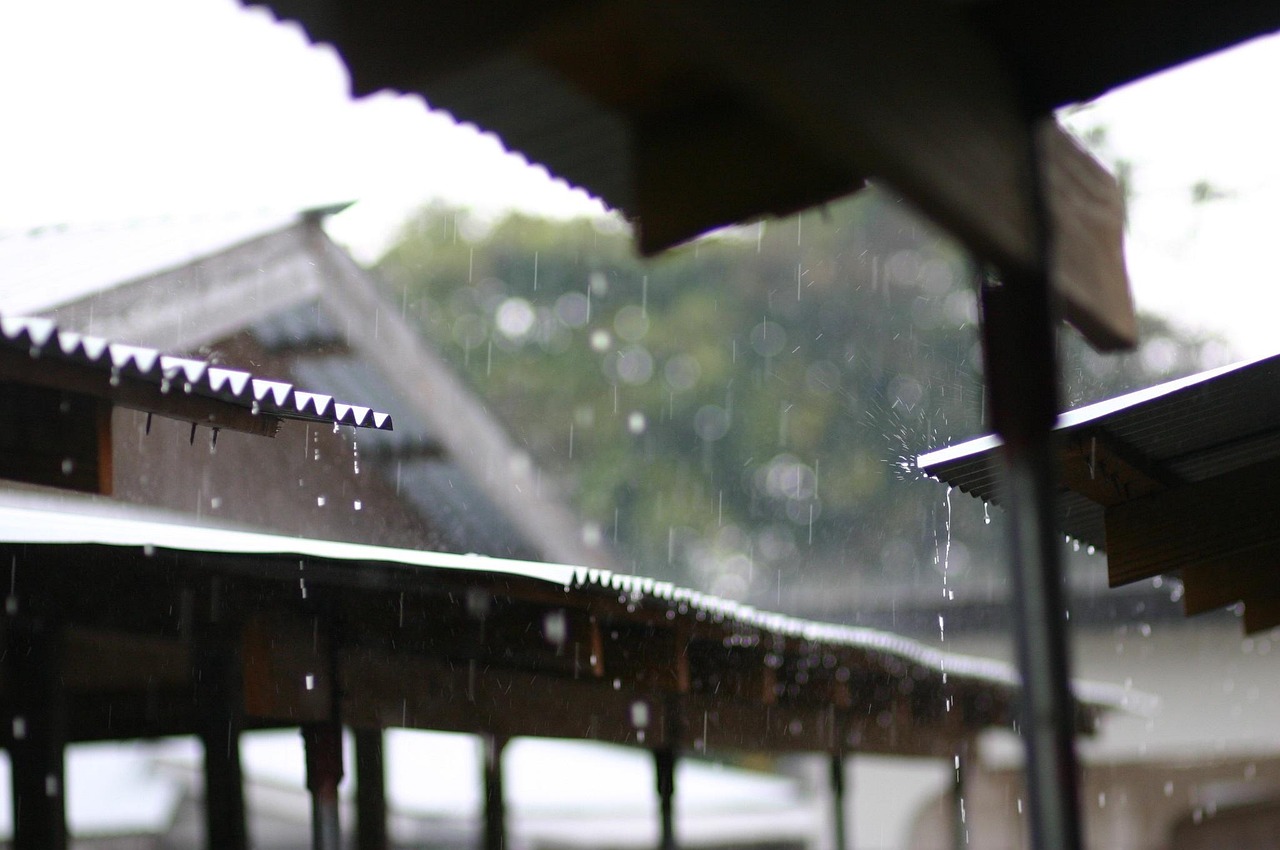
After a storm, many homeowners in Arizona face the daunting task of navigating a roof insurance claim. The initial assessment, involving a thorough inspection of your roof, is important to determine the extent of the damage. This process not only helps in filing a successful claim but also ensures your home is safely protected. Here’s a step-by-step guide on how an experienced Oro Valley roof specialist will approach this critical phase.
Start by walking the entire perimeter of your property, looking for visible signs of damage. Check for broken or missing tiles, lifted shingles, and any signs of water intrusion. In Arizona, strong winds and hailstorms can cause significant damage, especially to flat or low-sloped roofs. A recent study by the National Weather Service found that 40% of roofs in the region sustained damage during the 2022 monsoon season. Look for ceiling stains, which often indicate interior leaks, and inspect the underlayment for any tears or separation. Damage to roof vents, a common issue, can lead to poor ventilation, causing further problems like mold growth.
Once at the roof, a professional will use specialized tools to assess the situation. They’ll check the overall structure, looking for signs of weakening or instability, especially if there was significant wind exposure near Pusch Ridge or other wind-prone areas. The specialist will also inspect the underlayment, that protective layer beneath the shingles, to see if it has been damaged or lifted. This is important as damaged underlayment can lead to hidden storm damage, which is often difficult to detect. A microburst or haboob event can cause localized, intense damage, leaving behind hidden ceiling stains and interior leaks that may not be immediately apparent.
Documenting the damage is key. The specialist will take detailed photographs, noting the extent and types of damage. This evidence is essential for filing a storm damage insurance claim. They’ll also look for signs of previous repairs or issues, as this can impact the claim process. Remember, the goal is to provide accurate, comprehensive information to your insurance company, ensuring a swift and fair settlement. By following these steps and working with a qualified local expert, you can effectively handle the initial assessment phase and move toward a successful storm damage claim.
Documenting the Loss: Gathering Evidence and Filing Claims

Documenting the Loss: Gathering Evidence and Filing Claims
After a storm, the first step in the insurance claim process is to thoroughly document the damage to your roof. This involves gathering evidence and taking detailed photographs of the affected areas. Start by examining your roof for various types of damage, such as lifted shingles, broken tiles, or storm damaged flashing around the perimeter. Microbursts can cause significant tree limb damage, which can also impact your roof. Check for interior leaks after heavy rain, as these may indicate storm damaged roof vents or underlayment. Remember, the National Weather Service Tucson provides valuable resources for verifying the severity of storms in your area.
Next, file a claim with your insurance company. Be sure to include all relevant information, such as the date and extent of the damage, along with the photographs you've taken. The claims process can be complex, so consider working with a licensed and insured professional, like a roofing contractor serving Oro Valley and Marana, who understands the specifics of storm damage claims. They can assist in accurately documenting the loss and navigating the claim with your insurance provider.
Once your claim is filed, the insurance company will assess the damage and provide an estimate for repairs. Keep in mind, storm repair timelines can vary based on the extent of the damage and the contractor's workload. During this phase, it's important to spot hidden storm damage, such as flashing or underlayment issues, which may not be immediately apparent. The roofing expert can help identify these hidden problems and ensure they're addressed in the claim.
be aware of the potential for a second storm before repairs are completed. Flash flood runoff and wind exposure near Pusch Ridge can exacerbate existing damage. To avoid these issues, securing loose tiles before the monsoon season and working with a contractor experienced in post-storm defense can make a significant difference. Remember, the Storm Restoration Association and Accurate Inspection Pros offer valuable resources and credentials to ensure your claim is handled efficiently and effectively.
Repairs and Replacement: Navigating the Claim Settlement Process
After a storm, navigating the insurance claim process for a storm-damaged roof in Arizona can seem daunting. Whether it's a haboob, monsoon, or microburst, understanding the claim settlement process is important for a swift and fair resolution. In Oro Valley, Rancho Vistoso, and across Arizona, homeowners often turn to a licensed local roofing contractor for guidance.
The first step in the repairs and replacement process is to assess the damage. Homeowners should photograph the damage, noting the extent of loose or missing shingles, flashing, and storm-damaged roof vents. These details are vital for documenting the claim. The contractor will inspect the property, focusing on the roof, flashing, and underlayment. A 2022 study by the Storm Restoration Association found that 45% of storm-related roof claims were due to wind-driven rain and flash flood runoff. In severe cases, like those affected by a haboob, the contractor may identify hidden damage, such as interior leaks or lifted shingles, which require prompt attention.
Once the assessment is complete, the contractor will help you file a claim with your insurance company. They will work with you to understand your policy and ensure all necessary information is included. The contractor may also suggest a public adjuster, especially for significant claims. During the claim settlement process, keep in mind that repairs should begin as soon as possible to prevent secondary damage. Securing loose tiles before the next monsoon season can protect against further exposure to wind and rain. The contractor's expertise ensures that your claim is accurately represented, facilitating a faster settlement and a roof that's as good as new.
Frequently Asked Questions About a Plain Language Walk Through of the Roof Insurance Claim Process in Arizona
What is the first step in filing a roof insurance claim in Arizona?
The initial step involves contacting your insurance provider directly, usually by phone or online. You'll need to report the damage and provide basic details about your policy. They'll guide you through the next steps, including arranging an inspection of the damaged roof. In Arizona, many insurers have local offices or adjusters who can expedite the process.
How soon after discovering damage should I file a claim?
Filing a claim as soon as possible is advisable. In Arizona, insurance companies often have time limits for filing claims, ranging from 24 to 48 hours for immediate situations, up to 60 days for more routine repairs. Prompt action ensures your claim is considered valid and can expedite the settlement process.
Who will inspect my roof, and how is the process handled?
An insurance-approved inspector, often a licensed contractor, will visit your property. They'll assess the damage, take measurements, and document the repairs needed. This inspector will prepare a report detailing the findings, which will be used to calculate the settlement amount. The process is designed to be efficient, but it's important to ensure the inspector thoroughly examines your roof.
What if my insurance company denies my claim? Can I appeal?
If your claim is denied, review your policy and the reasons provided by the insurer. You can then submit an appeal, providing additional documentation or professional estimates to support your case. Arizona law requires insurers to provide a timely response to appeals, usually within 30 days. A thorough appeal, backed by evidence, significantly improves your chances of success.
How long does the entire insurance claim process typically take in Arizona?
The timeline varies, but in Arizona, a typical roof insurance claim can take between 2 and 6 weeks. This includes the initial report, inspection, adjustment, and settlement. Complex cases or severe weather events might extend this period. Keeping open lines of communication with your insurance representative can help handle potential delays.
Who is responsible for repairing my roof if my claim is approved?
Once your claim is approved, your insurance company will either directly pay a contractor or issue a check to you, allowing you to choose a roofing service. Ensure the contractor is licensed and reputable. In Arizona, many insurers have a preferred or approved vendor list to streamline the process and guarantee quality work.
In Arizona, navigating a storm-damaged roof claim can seem daunting, but understanding the process is key to a swift resolution. From initial inspections to final repairs, homeowners should be equipped to handle the aftermath of a storm. The first step is to assess your coverage; home insurance policies vary, but many include provisions for storm damage. Once the severity of the damage is realized, documenting the loss becomes important. This includes taking photos of the affected area, from lifted shingles to interior leaks, and gathering evidence to support your claim.
The repair process involves specialized contractors who can assess and replace various components, such as storm-damaged roof vents, underlayment, and gutters. It's important to work with licensed and insured professionals who can provide accurate inspections and efficient repairs. The article highlights the importance of securing loose tiles before the next monsoon and addressing hidden storm damage, ensuring a thorough and comprehensive claim settlement.
By following these steps and seeking expert guidance, homeowners can effectively manage storm damage, protect their investments, and restore their properties to pre-storm conditions. This practical approach ensures peace of mind and a solid understanding of the insurance claim process in the face of Arizona's unpredictable weather.
In Arizona, understanding your homeowner's insurance for storm damage is important after events like monsoons, microbursts, or haboobs. Common perils covered include wind-driven rain, hail, and lightning strikes, often damaging roofs, shingles, and vents. A local Oro Valley roof specialist helps handle policies, assess damage, and ensure repairs are compensated.
Key steps after a storm:
1. Assess Damage: Inspect roof for lifted shingles, broken tiles, and storm-damaged vents. Check for interior leaks and hidden damage, especially after microbursts or haboobs.
2. Document Evidence: Take detailed photos of damage. Include information like date, extent, and location.
3. File Claim: Submit photos and relevant info to your insurance company. Consider working with a licensed local contractor for assistance.
4. Repairs and Prevention: Promptly begin repairs to prevent secondary damage. Secure loose tiles before monsoon seasons.